
How to Master Celebrity-Inspired Looks with a heidi.montag wig
If you've been inspired by iconic television-era glam and want to capture that exact polish, this guide is a comprehensive roadmap for selecting, styling, and maintaining a heidi.montag wig that looks natural, stays secure, and matches your personal aesthetic. Whether you're aiming for big, voluminous waves, ultra-straight lengths, or perfectly blended extensions, the right approach to buying and styling will make the difference between a wig that announces itself and a wig that convinces.
Why focus on a celebrity-inspired heidi.montag wig?
Celebrity looks are often carefully crafted with custom color melts, cut-in layers, and tailored cap constructions. Recreating those visuals requires attention to the same details: hair density, lace type, part placement, and fiber behavior under heat and styling products. This section outlines what makes a wig convincingly celebrity-quality and why targeted buying tips matter.
Key visual hallmarks
- Natural hairline and realistic baby hairs for close-up authenticity.
- Gradual color transitions (root shadows and balayage blends) rather than flat tones.
- Appropriate density—celeb styles often use lighter density at the crown and heavier lengths for volume without bulk.
- Cap design that allows realistic parting and movement.
Types of wigs and fibers: choosing the base for your heidi.montag wig
Understanding the difference between fiber types is the foundation of good selection. Below we break down the options and their strengths when aiming for a refined, camera-ready look.
Human hair
Human hair wigs are ideal when you want to heat-style, color, and cut to precise celebrity references. They offer the most natural movement and respond to professional tools the way natural hair does. For a heidi.montag wig that needs repeated blowouts, curling, or straightening, human hair is preferred.
Synthetic and heat-friendly synthetic
Synthetic fibers can hold structured styles longer (great for consistent waves) and are more affordable. Heat-friendly synthetics now accept low-to-medium iron temperatures, but they rarely match human hair's long-term versatility. For budget recreations of a signature look, high-grade heat-friendly synthetic wigs are a solid choice.
Blended options
Human-synthetic blends combine resilience with affordability and can be an excellent compromise when seeking both styling freedom and budget control for your heidi.montag wig.
Cap constructions: how to match comfort with realism
Cap type dictates how believable your hairline and part will be, as well as how comfortable the wig will be for extended wear.
- Lace front—provides a natural hairline and off-the-face styling; ideal for replicating bangs or swept-part looks often seen on screen.
- Full lace—allows multi-directional parting and upstyles; expensive but the most versatile for complex, camera-ready looks.
- Monofilament—gives the appearance of a scalp at the crown and allows fine parting detail; combine with lace front for premium realism.
- Wefted caps—more breathable and budget-friendly, but less natural at the part.
Color, root depth, and tone-matching for an authentic heidi.montag wig
Color accuracy is vital. Celebrities rarely wear one-dimensional shades—their stylists blend root shadows, midtones, and highlight placement to flatter bone structure. When shopping, ask for swatches or multiple photos in natural light, and consider custom coloring to achieve the exact nuance.
Tips for realistic color work
- Ask for a subtle darker root to mimic natural regrowth—this little contrast makes a heidi.montag wig appear lived-in rather than costume-like.
- Choose highlights that frame the face rather than heavy streaking.
- For platinum or ash blondes, ensure the fiber or human hair has cool undertones and isn't overly yellow under incandescent lighting.
Buying checklist: questions to ask and specs to confirm
Before completing a purchase, use this checklist to ensure the wig will deliver the look and wearability you want.
- Cap size and adjustable straps for a secure fit.
- Return policy and color guarantee—can you exchange if the shade reads differently in person?
- Construction details: lace front, monofilament crown, and weft type.
- Fiber specs: heat tolerance, recommended temperature range, and whether it can be dyed (human hair only).
- Density percentage relative to natural hair—most celebrity looks use 120–180% density depending on style.
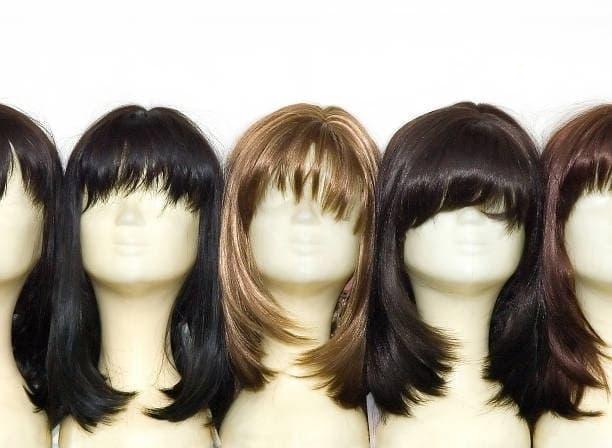
Prepping your wig: cutting, thinning, and the first styling session
The initial shaping session is where a wig transitions from stock to signature. Invest in a professional wig stylist or a trusted salon stylist familiar with wig-specific techniques.
Cutting tips
- Start with dry cutting: shaping the wig dry lets the stylist see how the hair falls naturally and removes excess bulk without over-layering.
- Blend the hairline with feathered, short pieces rather than blunt edges to create softness.
- For a heidi.montag wig that mimics the layered volume often seen on-screen, request long layers with face-framing graduation rather than excessive layering in the mid-lengths.
Styling secrets: tools, temperatures, and methods
Creating camera-ready waves or silky straight finishes involves more than technique; knowing your wig's limits preserves its lifespan while achieving a high-end result.
Heat settings and protection
Always confirm the fiber's heat tolerance. For human hair, use a temperature range of 300–375°F (150–190°C) for curling and flat ironing; for heat-friendly synthetics, keep at the manufacturer's lower range (approx. 250–300°F / 120–150°C). Apply lightweight thermal protectant designed for wigs to minimize damage.
Tools that make a difference
- Ceramic or tourmaline flat irons and curling wands provide consistent heat and smoother finishes.
- Wide-tooth combs and looped blending brushes prevent snagging on lace bases.
- Velcro or foam rollers are excellent for creating long-lasting volume at the roots without constant heat.
Signature looks—step-by-step
Big, effortless waves
- Start with a light leave-in spray formulated for wigs.
- Section the wig horizontally and wrap medium-width strands around a 1–1.25 inch barrel, holding the shaft away from the roots to create lift.
- Allow curls to cool fully before brushing through with a soft paddle brush for a softer, more natural wave.
- Finish with a flexible-hold hairspray to preserve movement.
Sleek, glossy lengths
- Apply a smoothing serum designed for wigs from mid-shaft to ends only—avoid the lace to prevent buildup.
- Use a straightening iron in slow, deliberate passes; if the wig is human hair, a final cool blast from a blow dryer can add shine.
- Seal with an anti-frizz mist and light shine spray.

Creating the perfect hairline and parting for close-up authenticity
When reproducing a look that might be photographed closely, such as on video or at events, the hairline tells the story. A poorly blended edge reveals a wig instantly; a subtle, worked hairline convinces on camera.
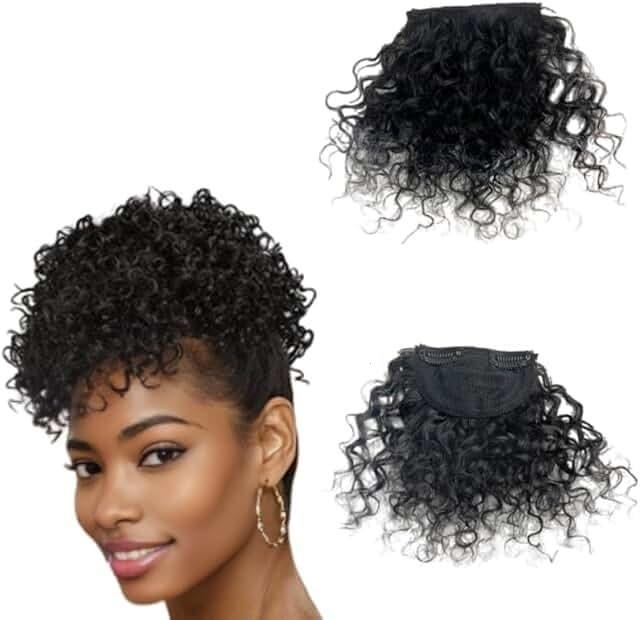
Techniques for realism
- Bleached knots on lace fronts reduce the appearance of visible knots.
- Plucking the part slightly and adding delicate baby hairs simulates natural growth.
- Use a scalp-mimicking powder or foundation in the part to match your skin tone, applied sparingly.
Attachment methods: comfort, security, and styling freedom
Pick your adhesive strategy based on activity level, skin sensitivity, and whether you need temporary or long-term wear.
Temporary options
Wig clips and tape tabs are ideal for quick changes and less permanent looks. For a heidi.montag wig used at events, clips within the wig can anchor it firmly to your natural hair.
Semi-permanent and long-term
Medical-grade adhesives and lace tapes provide secure, long-term placement but require careful removal and scalp care. If you plan to wear a wig continuously, consult a specialist for safe application and removal to protect your edges.
Maintenance, washing, and storage
Proper care preserves color integrity, fiber softness, and overall lifespan. Treat wigs differently from natural hair because fibers don't rebuild protein in the same way.
Washing schedule
- Wash human hair wigs after 8–12 wears depending on product buildup; synthetics can go longer because they retain style shape.
- Use sulfate-free, gentle cleansers; follow with a conditioning treatment to maintain shine and manageability.
Drying and storing
Air-dry on a wig stand to maintain cap shape; avoid direct sunlight to prevent color fade. Store on a stand or in a breathable bag; for long-term archives, keep in a cool, dry place to prevent fiber degradation.
Blending extensions and natural hair for hybrid looks
To combine a wig with your own hair—either for added density or a hybrid style—match texture, length, and color closely. Use micro-links, clip-ins, or sew-in wefts to integrate seamlessly, and have a pro blend the transition zone with thinning shears and strategic layering.
Troubleshooting common issues
Even the best wigs face wear-and-tear. Here are quick fixes for frequent problems.
- Shine from synthetic wear—dull with a dry shampoo or matting powder specifically formulated for wigs.
- Tangled ends—rehydrate with a leave-in conditioning spray and detangle gently with a wide-tooth comb.
- Loose lace—secure with a thin bead of medical adhesive and blend with a lightweight concealer.
Where to buy and what to expect in pricing
Quality varies widely. Expect synthetic options to start lower, with premium human hair and custom units costing more. Boutique wig makers and celebrity stylists often charge a premium for color-matched, custom-cap constructions, while reputable online stores can offer savings with consistent quality. Check reviews, ask for recent pictures of finished wigs, and verify return and color-match policies before purchasing a heidi.montag wig.
Stylist collaboration: why a pro consultation pays off
Working with a stylist experienced in wig customization ensures that cut, color, and fit are tuned to your face shape and lifestyle. Share reference photos, discuss maintenance tolerance, and if possible, request trial styling to ensure the wig responds the way you want.
Final checklist: steps to secure camera-ready results
- Confirm cap size and construction before purchase.
- Select fiber type based on styling needs.
- Ask for root depth and highlight placement or plan for custom coloring.
- Schedule an initial professional fitting and cut.
- Invest in quality tools and protectants for daily styling.
- Follow a maintenance routine for washing, storage, and protective application.
Styling on a budget: practical options
High-impact results don't always require high-end budgets. Look for remy-blend wigs with lace fronts, and partner with a local stylist who can make an inexpensive unit appear bespoke with minimal texturizing and color glazing. Use accessible tools like rollers, a good thermal protectant, and flexible-hold spray to replicate long-lasting waves without costly interventions.
Ethical and practical considerations
Consider sourcing from companies that disclose fiber origin and production practices. If purchasing human hair, understand whether it's remy and ethically sourced. Caring for your heidi.montag wig responsibly extends its life and reduces waste.
Personalization ideas for unique takes on the aesthetic
Customize your wig with subtle personal touches: add a custom hairpiece for extra fringe, apply lowlights for depth, or incorporate temporary color sprays for event-specific pops without permanent dyeing. Small, intentional changes allow you to nod to a celebrity muse while staying original.
Expert tips summary
- Always prioritize cap construction and hairline realism for on-camera work.
- Match fiber type to intended styling—human hair for repeated heat work, high-quality synthetics for low-maintenance wear.
- Invest in a professional initial cut and color glaze to turn a stock unit into a personalized piece.
- Learn gentle maintenance practices: low-heat styling, appropriate cleansers, and careful storage.
- Test adhesives and products on a small skin patch to avoid irritation during long wear.
Parting advice for show-ready finishes
When preparing for photography or an event, do a final inspection under three light sources: natural, indoor warm, and flash. Make any last-minute part shading adjustments with a tiny amount of scalp powder to prevent glare, and carry a small styling kit for touch-ups on the go.
Pro reminder: The goal is believable movement and a hairline that blends—if your wig functions as an accent rather than a disguise, you're on the right track.
Closing thoughts
Recreating a signature television-era look takes patience, planning, and the right combination of wig construction, color accuracy, and styling technique. A well-chosen and properly maintained heidi.montag wig can faithfully reproduce that red-carpet polish while remaining wearable in everyday life. Remember: small details—a softened hairline, a shaded root, and the measured use of heat—make all the difference.
FAQ
Q: Can synthetic wigs convincingly mimic high-end celebrity looks?
A: High-quality heat-friendly synthetics can simulate the sheen and hold of styled hair for specific looks like uniform waves, but they lack the long-term versatility of human hair; choose synthetic for budget-friendly, low-maintenance recreations and human hair for frequent heat styling and personalized cuts.
Q: How often should I re-style a heidi.montag wig before it needs professional maintenance?
A: It depends on fiber and wear frequency; casual wear may allow 6–12 months between professional refreshes, while daily, heavily styled wear could need pro attention every 2–4 months to restore texture and hairline detail.
Q: Is bleaching or dyeing safe on a ready-to-wear unit?
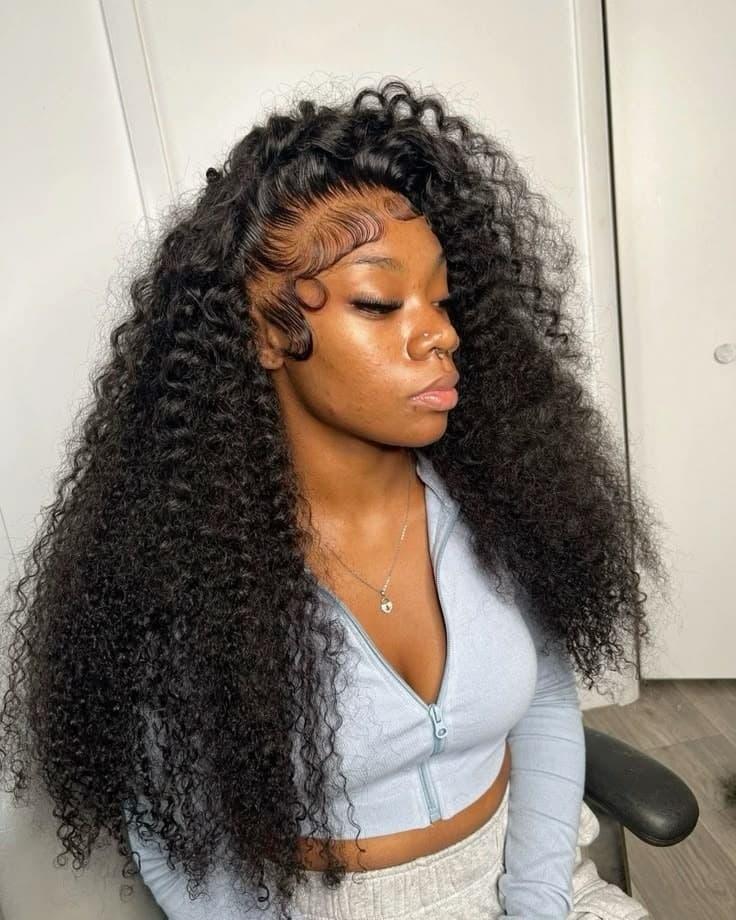
A: Only dye human-hair wigs, and even then, treat them like salon services: consult a professional colorist familiar with wig fibers. Bleaching is harsh and can compromise integrity; opt for pre-colored units when possible.
Q: What is the single most impactful upgrade for realism?
A: Adding a lace front with semi-bleached knots and delicate, hand-tied baby hairs often delivers the greatest increase in natural appearance for a heidi.montag wig.