
Natural-Looking Solutions: How to Choose the Best women wigs for Everyday Confidence
Selecting a wig that feels like an extension of you begins with understanding materials, construction, and realistic styling. Whether you are exploring hair replacements for fashion, convenience, or medical reasons, great options exist that combine comfort, durability, and an authentic look. This comprehensive guide will help you evaluate choices and find women wigs that look natural, boost self-esteem, and fit comfortably from the first wear onward.
Why natural appearance matters: beyond aesthetics
The visual realism of a wig can change how you are perceived and how you feel. A high-quality wig that mimics natural hair growth patterns, scalp movement, and color depth supports confidence in professional and social settings. When searching for women wigs, prioritize texture, parting realism, and a scalp-friendly cap design to maintain a natural silhouette under different lights and angles.
Materials explained: human hair vs synthetic vs blended
- Human hair: Offers the most realistic movement and can be heat-styled, colored, and treated similarly to natural hair. Human hair women wigs often come with higher density and require professional maintenance, but deliver unparalleled authenticity.
- Synthetic fibers: Modern synthetics can reproduce natural shine and hold styles longer without daily heat. They are lower maintenance and more budget-friendly while still providing convincing looks. Look for heat-friendly synthetic options if you want to restyle.
- Blended fibers: A hybrid that balances cost and realism; blends are useful for wearers who want human-like texture at a mid-range price point.
Cap construction: the foundation of comfort and realism
Cap technology is a key determinant of how natural a wig will look and feel. Here are the most important cap types to understand when evaluating women wigs:
- Lace front: Creates a seamless hairline and allows off-the-face styling with realistic parting near the forehead.
- Full lace: Offers complete flexibility for multi-directional parting and intricate styling; excellent for natural looks but often costs more.
- Monofilament: A thin, breathable mesh at the crown that allows single-hair hand-tying for a natural scalp appearance, ideal for thinning hair or visible part lines.
- Hand-tied: Each strand is tied by hand to the cap base producing natural movement and comfort, often used in premium women wigs.
Color science: match, blend, and enhance
Color accuracy is crucial. Lighting sources change how tones appear, so always view color samples in daylight. To blend a wig with your natural hair or skin tone, consider undertones (warm, cool, neutral) and subtle highlights. For a truly lifelike finish, choose wigs with multidimensional color patterns—these mimic the way light hits real hair. When shopping for women wigs, ask for photos from multiple angles and request a swatch or sample if possible.
Tip: Custom color and lowlights
If you buy a human-hair wig, consult a colorist experienced with wigs to add lowlights or soft balayage effects for depth. Professional color work on women wigs can significantly enhance realism.
Face shape and proportion: selecting the most flattering styles
Matching style to face shape helps a wig look like natural hair cut and styled specifically for you. Here are style rules that work well with many women wigs:
- Oval faces: Almost any length works; try layered cuts for movement.
- Round faces: Opt for longer silhouettes and layered lengths to elongate.
- Square faces: Soft waves and side-swept bangs soften angles.
- Heart-shaped faces: Chin-length bobs or long layers balance a narrower chin.
Density, length, and texture: the triad of personalization
Density refers to how thick the wig appears. Choose lighter densities for fine natural hair blends and higher densities for full-volume looks. Length affects weight and comfort—longer women wigs may require more maintenance and a sturdier cap, while short styles are lighter and often cooler. Texture—straight, wavy, curly—should align with the wearer’s lifestyle and desired maintenance level.
Measuring and fit: avoiding common sizing errors
Proper fit prevents slippage and improves realism. Measure your head circumference, front-to-back, and ear-to-ear as per wig maker guidelines. If you fall between sizes, most modern women wigs include adjustable straps or elastic bands for a snug fit. Custom sizing is available if you need specific precision for comfort or if you have hair loss that alters typical head measurements.
Comfort features: breathability, weight, and irritation prevention
Wearing comfort is often overlooked but essential. Look for breathable cap materials, light-weight constructions, and soft ear tabs if you have sensitive skin. Many premium women wigs now include moisture-wicking linings and hypoallergenic fabrics to reduce irritation.
Attachment options and security: from clips to adhesives
Security methods affect both look and comfort. Common options include:
- Wig clips and combs for temporary anchoring; ideal for casual wear.
- Wig caps and grips that provide friction without adhesives.
- Medical-grade adhesives and tapes that offer the most natural seamless edges—used often with lace-front and full-lace women wigs.
Styling tools and heat safety
If you choose a human-hair wig or heat-friendly synthetic, use professional tools and heat protectants. Excessive heat can reduce the lifespan of a wig, so use the lowest effective temperature and style in small sections. For synthetic wigs that are not heat-tolerant, opt for steam styling or products designed specifically for synthetic fibers.

Professional styling vs DIY
Complex cuts, color corrections, and restyling are best handled by wig professionals who understand fiber behavior. Regular salon visits will keep a high-end women wigs investment looking fresh and natural for longer.
Care routines that extend lifespan
Routine maintenance includes gentle washing, careful detangling with wide-tooth combs, air-drying on a stand to retain shape, and storage in breathable bags or on stands away from direct sunlight. For human-hair women wigs, use sulfate-free shampoos and conditioners designed for processed hair. For synthetic fibers, use products formulated for synthetics to maintain style memory.
Common mistakes and how to avoid them
- Choosing the wrong cap type for lifestyle: prioritize comfort and breathability if you wear a wig all day.
- Skipping measurements: an ill-fitting wig undermines realism and comfort.
- Overusing adhesives or heat: adhere to manufacturer instructions to prevent damage.
- Ignoring color matching: test swatches and consult experts to avoid stark contrast with natural features.
Budget planning: what to expect at different price points
Entry-level synthetic women wigs provide immediate style at a low cost and are ideal for short-term use or trend experimentation. Mid-range options often include heat-friendly fibers or mixed construction caps for improved fit and durability. Premium human-hair and hand-tied pieces deliver the best realism and longevity but require higher upfront investment and professional care.
Shopping channels: online vs in-store
Shopping online expands choice and price comparison opportunities. When buying women wigs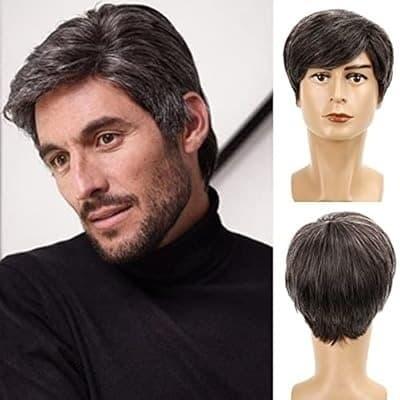 online, check return policies, read verified reviews, and request close-up photos or video samples. In-store shopping provides immediate fitting, color matching, and hands-on testing—valuable for first-time buyers or those requiring custom fittings.
Customization and bespoke options
Custom wigs are tailored to your exact measurements, color, hairline design, and density preferences. If you have unique requirements due to medical hair loss or a specific style vision, bespoke women wigs crafted by specialists ensure optimal comfort and a naturally integrated look.
Accessories that improve wearability
Consider these accessories to enhance fit and realism: wig caps in breathable fabrics, wig grips to prevent slippage, adhesive-safe skin protectors to preserve sensitive skin, and discreet combs for mid-day touch-ups. A quality stand and silk storage bag will protect the investment when not in use.
Travel and lifestyle tips
For travel, pack a compact detangling brush, spare adhesive or clips, and a small stand or hat to prevent crushing. If you swim or exercise frequently, look for water-resistant caps or plan for quick restyling routines following exposure to humidity or sweat.
Psychological and social benefits of wearing a natural wig
Beyond aesthetics, realistic women wigs can restore a sense of normalcy and agency. Whether used for medical reasons, convenience, or fashion, a believable hairstyle can reduce daily stress, improve social interactions, and support professional confidence.
Trends and timeless looks
Current trends emphasize natural texture, soft layers, and low-maintenance cuts. However, timeless options—shoulder-length bobs, long layered cuts, and soft waves—remain popular for their versatility. When selecting a wig, consider what will suit your lifestyle over time as well as current trends.
Maintenance checklist for longevity
- Weekly detangling with a wide-tooth comb.
- Washing every 10-14 wears for synthetic wigs; every 7-14 days for human hair depending on product buildup.
- Use heat protectants and minimal heat settings for human-hair women wigs.
- Store on a breathable stand or mannequin head away from direct sunlight.
- Schedule professional deep conditioning or restyling sessions every 3-6 months for human-hair pieces.

Personal stories and case studies
Many wearers report that switching to high-quality, well-fitted women wigs improved their daily routines and boosted self-esteem. Case studies show that women who invest in proper color matching and monofilament caps experience greater satisfaction with public-facing roles and social events. Small adjustments, like adding baby hairs or a custom hairline, produce outsized improvements in realism.
Checklist for your next purchase
Before completing any wig purchase, ensure you have verified: accurate measurements, realistic color samples, cap construction details, return and warranty policies, and care instructions. Ask whether the seller includes a styling or maintenance guide tailored to the specific wig fiber.
Ethical sourcing and sustainability
If sustainability matters to you, look for brands that disclose sourcing practices for human hair and ethical labor policies. Some brands now offer recyclable packaging, biodegradable components, and transparent supply chains for human hair sourcing—important considerations when buying long-term women wigs.
Final thoughts: making a confident, informed choice
Choosing a wig is a personal journey that balances aesthetics, comfort, and lifestyle. By prioritizing realistic cap construction, appropriate material selection, and professional color matching, you can find women wigs that look natural and restore confidence. Invest time in learning about cap types, maintenance routines, and the subtleties of color and density to make a lasting, satisfying choice.
Frequently Asked Questions
Q1: How do I make a wig look more natural at the hairline?
Answer: Pluck small, strategic hairs from the hairline on lace front or full lace wigs to create a less uniform edge, add baby hairs, and apply a thin layer of skin-safe adhesive for a seamless blend. Light foundation or concealer on the lace can also match the scalp tone for realistic parting.
Q2: Can I sleep in my women wigs and will it damage them?
Answer: Regularly sleeping in wigs is not recommended because friction can cause tangling and shorten lifespan. If overnight wear is necessary, use a silk or satin pillowcase and a loose, breathable cap to minimize damage.
Q3: How often should I wash a human-hair wig compared to synthetic?
Answer: Human-hair wigs generally need washing every 7-14 wears depending on styling products and environmental buildup; synthetic wigs can often go 10-20 wears if they retain their style, but follow manufacturer recommendations for best results.