
can you glue a wig with no lace Practical adhesive methods, safety tips and styling tricks for a secure hold
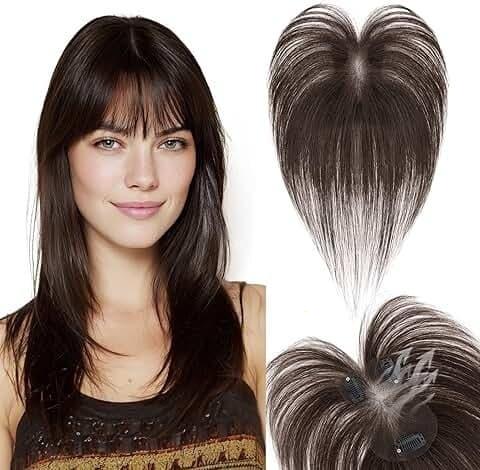
Can You Glue a Wig with No Lace? Practical Answers and Overview
If you've ever wondered can you glue a wig with no lace, the short answer is: yes, but the approach, products, and preparation differ from gluing a lace front. This comprehensive guide walks through safe adhesive methods, scalp prep, long-term wear strategies, styling tricks, and removal tips so you get a secure hold without compromising skin health or hair integrity.
Understanding the difference: lace vs. no-lace wig bases
Wigs come with different base constructions — lace front, full lace, monofilament, silk top, and traditional wefted caps. A wig with no lace usually has a fabric, mesh, or cap material at the hairline and parting area. Because there's not a sheer lace edge to hide an adhesive seam, techniques change: you might glue the cap edge directly, use adhesive strips around the perimeter, or combine mechanical fastening (combs, clips, elastic bands, sewing) with adhesives for a hybrid hold.
Key considerations before applying adhesive
- Skin sensitivity: Always do a patch test 24–48 hours before full application. Test any glue or tape on a small area behind the ear or along the hairline.
- Scalp condition: Clean, dry, oil-free skin is mandatory. Remove makeup, oils, and residue with an alcohol-free adhesive remover or gentle cleanser recommended for prosthetic adhesives.
- Glue selection: Choose skin-safe adhesives formulated for wigs. Typical options include medical-grade silicone adhesives, water-based adhesive gels, tacky bonding adhesives, and double-sided wig tape.
- Breathability: If the cap is thick and non-breathable, avoid adhesives that trap moisture. Consider ventilation and break periods for the scalp to prevent irritation.
Adhesives and tapes that work well on non-lace caps
Products vary by hold time, skin compatibility, and ease of removal. Below are common categories and pros/cons.
- Double-sided wig tape: Easy, quick, and excellent for short-term wear (daily to several days). Works well on a cap edge as long as the surface is flat. Pros: low odor, easy application. Cons: can peel with sweat, not ideal for long continuous wear.
- Water-based adhesive gels: Gentler on skin, often removable with water or mild removers. Best for moderate hold and sensitive scalps. Pros: skin-friendly. Cons: sometimes not as strong for active days.
- Alcohol-based tack adhesives: Provide a firm, longer-lasting bond suitable for weeks with proper care. Pros: secure hold. Cons: stronger odor, more intensive removal and potential irritation for sensitive skin.
- Medical-grade silicone adhesives: Offer a flexible, long-lasting bond, good for all-day wear and performances. Pros: durable, comfortable. Cons: pricier and require specific removers.
Step-by-step: how to glue a wig with no lace for a secure hold
Follow this thorough routine for the best results when dealing with a non-lace edge:
- Clean and prep the skin. Remove oils and dirt using a recommended cleanser. If you have oily skin, use a degreasing wipe specifically made for adhesives. Allow skin to dry completely.
- Measure and mark. Put on the wig cap and align the hairline, then mark where the cap edge should sit. For a natural look, slightly pull the hairline forward to anchor at the natural hairline instead of on the forehead.
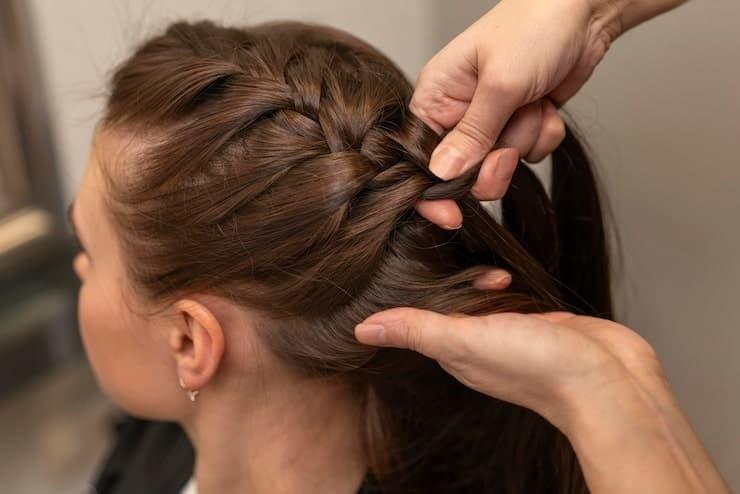
- Hair containment. Braid or pin your natural hair flat. Use a wig cap to create a smooth surface. For very short hair, a grip cap or silicone cap can increase adhesion.
- Apply adhesive. For tape: cut strips to size, remove backing, and press firmly along the perimeter. For liquid adhesives: apply a thin layer to the skin and/or cap edge; allow it to reach tacky (time varies by product) before pressing the cap edge down. For gels: apply thin, even beads and press cap firmly into place.
- Secure and mold. Press around the perimeter for a full minute, smoothing any bubbles or wrinkles. Use a gentle hand to avoid shifting hair direction. If needed, add small secure points with additional tape near the temples or behind ears.
- Edge blending. Since there's no lace to melt into the skin, use styling techniques to conceal the seam: pull baby hairs forward, apply concealer or foundation to the cap edge, or use a thin headband or scarf as a fashion-forward concealment.
Advanced hybrid methods (recommended for long-term, active wear)
Combining mechanical fastening with adhesive improves comfort and longevity. Examples:
- Sew-in anchors: Sew loops or small elastic bands onto the cap that can hook under a sewn-in bead on your natural hair or onto invisible anchors.
- Clips and combs: Attach small wig clips to the interior cap and clip into your hair for added security before applying adhesive.
- Adhesive + tape combo: Use tape along high-stress areas (temples, nape) and a thin bead of adhesive around the rest to balance durability and ease of removal.
Styling tricks to make a non-lace hairline look natural
When the cap edge is visible, styling becomes your best tool. Consider these techniques:
- Create baby hairs: Trim and style delicate hairs at the front of the wig. Lay them with gel to hide the cap edge.
- Use color-matched concealer: A tiny amount of powder or cream foundation blended at the cap edge can reduce contrast with the skin.
- Soft parting: Avoid razor-sharp part lines that emphasize the cap. A softer, blended part hides the seam.
- Headbands and accessories: Scarves, wraps, or wide headbands can be fashionable ways to conceal edges while protecting the adhesive bond from sweat.
Removal and aftercare
Removing adhesives safely prevents skin damage and prolongs cap life. Tips include:
- Use the right remover: Oil-based or adhesive removers formulated for wig glue dissolve the bond without harsh scraping.
- Take it slow: Gently lift one corner and apply remover; dab and wait until adhesive softens before slowly peeling away.
- Clean residual glue: After removal, cleanse the skin with a gentle, non-irritating cleanser and rehydrate with a light, non-comedogenic moisturizer.
- Clean the wig cap: Use a recommended solvent or warm water with a mild detergent to remove adhesive from the cap without damaging the base fabric. Avoid aggressive scrubbing of delicate cap materials.

Common mistakes to avoid
- Skipping patch tests: Can lead to allergic reactions or severe irritation.
- Applying too much adhesive: Excess glue creates bulky edges and makes removal harder.
- Using household glues: Never use non-cosmetic adhesives — they can cause burns, long-term damage, or be near-impossible to remove.
- Ignoring scalp health: Continuous adhesive use without breaks increases the risk of dermatitis and hairline damage. Schedule glue-free days.
How long will glued non-lace wigs stay on?
Longevity depends on product choice and activity level. can you glue a wig with no lace — yes, but expect variable wear windows: tape generally lasts a few days, water-based adhesives for 1–2 days, and stronger adhesives for one to several weeks with careful maintenance. Perspiration, oil buildup, and frequent touching shorten wear time.
Best adhesives for sensitive skin
Look for formulations labeled "dermatologist-tested" or "medical grade." Water-based adhesives and silicone options often rank higher for sensitivity. Always perform patch tests. If you have a history of skin allergies, consult a dermatologist before extended adhesive use.
Quick product checklist
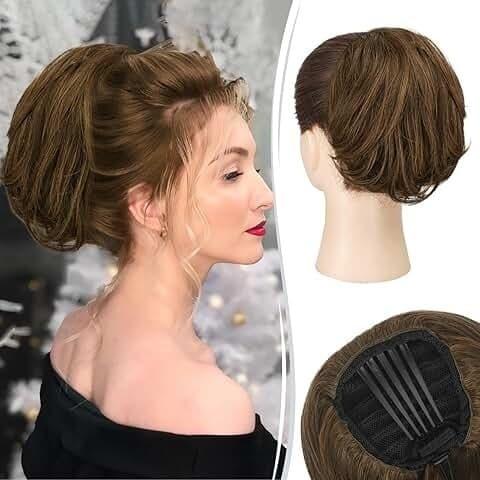
- Double-sided wig tape (breathable, hypoallergenic varieties)
- Water-based wig adhesive gel (gentle)
- Medical-grade silicone adhesive (long-lasting)
- Alcohol-free adhesive remover
- Skin prep wipes and barrier sprays
Real-world scenarios: when gluing a non-lace wig makes sense
Consider adhesives when you need extra security for athletics, windy conditions, or performance settings. For short-term fashion changes (one-day events, photoshoots), tapes and light gels offer convenience. For longer wear like everyday use, plan for scalp care, rotation, and professional application or maintenance.
Pro tip: If you want a natural front without lace, many stylists trim and rework the cap edge, add a thin silicone strip, or create a partial lace insert to blend the hairline while still preserving most of the non-lace cap.
Maintenance routine for glued caps
To keep both your scalp and wig in top condition, follow a maintenance routine: rotate wigs so each cap has rest days, clean adhesive residue after every removal, inspect the cap edge for wear, and reapply adhesive only on clean, dry skin. Regularly rehydrate scalp and avoid extended glue wear beyond product guidelines.
Alternative secure methods if you prefer no adhesive
If glue isn't an option, these methods provide hold without adhesive:
- Sew-in extensions or wig pins: Professionals can sew the wig onto a braided base for extreme durability.
- Elastic bands and adjustable straps: Provide tension-based holding, comfortable for daily wear.
- Clips and combs: Great for short-term use and frequent removal.
Final checklist before you commit
Ask yourself:
- Is my skin compatible with adhesives?
- Do I need temporary (hours-days) or long-term (weeks) hold?
- Will I be active or sweating?
- Am I prepared with proper removers and cleaners?
Answering these ensures a safer, more realistic plan when deciding can you glue a wig with no lace and execute the application accordingly.
When to see a professional
If you plan long-term wear, have a sensitive scalp, or want a seamless finish, a licensed wig technician can customize the cap, suggest the best adhesive regimen, and professionally apply baby hairs or partial lace inserts for the most natural result.
Safety reminder
Never use household glues or adhesives not intended for skin. Prioritize breathable cap choices, rotate usage, and allow the scalp time to recover between adhesive applications.
FAQ
- Q: Is it safe to glue a wig with no lace every day?
- A: Daily use is possible but not ideal. To protect scalp health, allow rest days, use skin-friendly adhesives, and maintain proper cleansing and hydration. Seek dermatologist advice if you have persistent irritation.
- Q: How do I hide the seam if my wig has no lace?
- A: Create baby hairs, use color-matched concealer on the cap edge, employ soft parting techniques, or accessorize with headbands or scarves to disguise the seam effectively.
- Q: Can I swim with a glued non-lace wig?
- A: Swimming significantly stresses adhesives through chlorine, salt, and motion. For secure water activities, choose strong, water-resistant adhesives and expect the bond to weaken; always test beforehand.
In conclusion, can you glue a wig with no lace — yes, and with thoughtful product choice, proper preparation, and care you can achieve a secure, comfortable, and natural-looking result. Prioritize skin tests, use appropriate removers, and consider hybrid fastening techniques for the best balance of security and scalp health.
Related products
Blog
- what is lace front wigs explained — a practical guide to types, styling and care
- Complete guide to what stores sell wigs online and in your area for every budget
- how to wear wig without wig cap — 7 clever tricks for a secure natural look
- what is the best lace wig glue — Expert Tested Picks, Budget Alternatives and How to Apply Them
- how to reduce wig cap size at home with simple adjustments for a snug custom fit and expert tips
- Hair Wig Buying Guide — Find the Best Hair Wig Styles, Fit and Care Tips
- How to Put a Lace Front Wig step-by-step tutorial for a natural look and secure fit
- Long white wig trends 2025 - ultimate guide to choosing and styling a long wig white for natural volume