
can i curl a wig Practical Heat Styling Guide for Synthetic and Human Hair Wigs
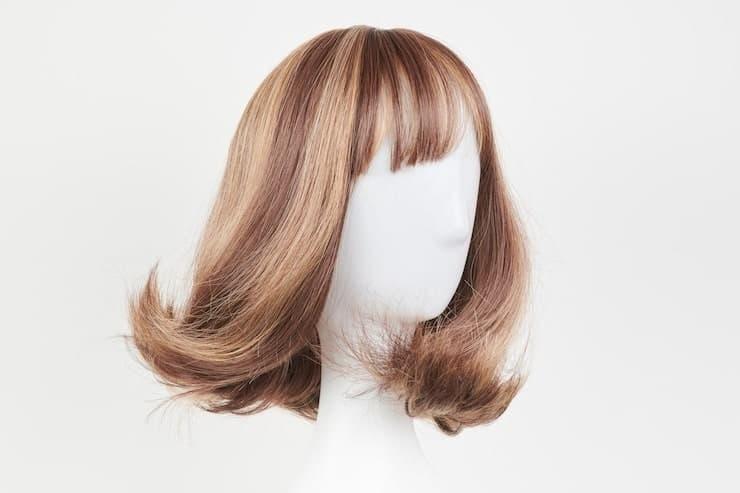
Complete Practical Guide to Heat Styling Wigs — What You Need to Know
If you've ever wondered can i curl a wig and how to do it without damaging the hairpiece, this long-form guide gives you a practical, step-by-step approach that covers both synthetic and human hair wigs. Whether you're new to wig styling or looking to refine your technique, the content below balances safety, styling options, troubleshooting, and maintenance to help you make informed choices. We'll examine tools, temperature settings, preparations, styling methods, and post-styling care so you can confidently answer your own question: can i curl a wig?
Quick Overview: Can I Curl a Wig?
Short answer: yes, you can curl many wigs, but the method depends on the fiber type. Human hair wigs can usually be heat-styled just like natural hair, while synthetic wigs vary widely — from heat-resistant synthetics that tolerate low-to-moderate heat to traditional synthetics that will melt or become permanently damaged. The key factors are fiber composition, manufacturer's instructions, and heat tools/settings.
Why the Question Matters
For searchers asking can i curl a wig, the concern is twofold: achieving desired looks and avoiding irreversible damage. Heat can create beautiful results, but it can also weaken hair strands, alter texture, and reduce the lifespan of a wig if done improperly.
Who This Guide Is For
- Wearers of human hair wigs looking for professional styling tips.
- Owners of heat-friendly synthetic wigs who want to expand styling options.
- Beginners who need a thorough, safe, and practical process.
Understanding Wig Types and Heat Tolerance
Before attempting to curl, identify whether the wig is natural human hair, heat-resistant synthetic (often labeled “heat-friendly” or “heat-resistant”), or non-heat synthetic. Misidentifying fiber type is the primary cause of preventable damage. Manufacturers usually include labels or instructions; if in doubt, contact the seller or run a small, inconspicuous heat test.
Human Hair Wigs
Human hair wigs offer the most styling flexibility. You can use hot tools, chemical treatments, bleaching, and coloring — but with the same caveats as natural hair: use heat protectants, avoid frequent high-heat sessions, and deep condition regularly to maintain integrity.
Heat-Friendly Synthetic Wigs
These fibers are engineered to withstand limited heat. They let you use low to medium heat for curling and straightening but often require specific maximum temperatures (e.g., 250°F/120°C). Always check manufacturer guidelines and start at the lowest effective temperature.
Traditional Synthetic Wigs
Traditional synthetics typically cannot handle heat. High temperatures will melt, frizz, or permanently change the texture. Styling options include steam, foam rollers, braiding for waves, or using cold-setting products. If you see a label that explicitly warns against heat, follow it.
Tools and Products: What to Use and What to Avoid
Choosing the right tools significantly affects results and wig longevity. Here is a practical list of recommended tools:
- Curling iron/wand with adjustable temperature control (preferably with ceramic or titanium barrels).
- Flat iron for creating bends or curls with a controlled clamp technique.
- Heat protectant spray or serum specifically safe for wigs (look for products that specify use on wigs or extensions).
- Thermal roller set for no-direct-heat curling on heat-friendly synthetics and human hair.
- Velcro rollers or foam rollers for cold-setting curls.
- Blow dryer with a diffuser and cool shot button; professional dryers with adjustable heat are best.
- Wide-tooth combs, wig brush (with ball-tipped pins), wig stand or mannequin head for secure styling.
- Sectioning clips and lightweight styling clips to keep control during the process.
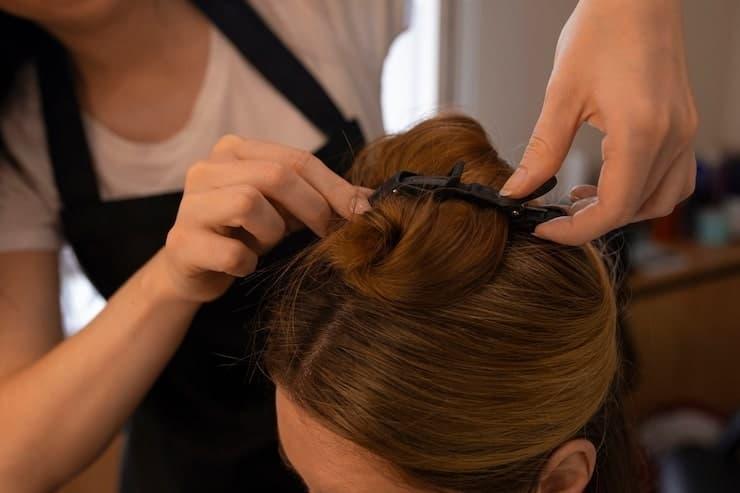
Tools to avoid: cheap high-heat irons with no temperature control, household non-adjustable curling devices, and high-temperature settings on irons or dryers when styling synthetic fibers.
Step-by-Step: How to Curl a Wig Safely
If your core question is can i curl a wig and how to do it stepwise, follow the below workflow for reliable results. Each step includes options for both human hair and heat-friendly synthetic fibers.
Preparation
- Place the wig on a wig stand or mannequin head and secure it. A stable base prevents tugging or uneven heat exposure.
- Detangle gently with a wide-tooth comb from ends to roots. Avoid forceful brushing of wet wig fibers to prevent stretch and shedding.
- If the wig is human hair, wash and condition as needed; allow it to dry completely before applying heat. For synthetic wigs, use a wig-friendly conditioner or a leave-in product if recommended, and ensure full dryness before heat styling unless you are using a steam method.
- Apply a heat protectant: For human hair use regular protectants; for synthetics, use products formulated for heat-friendly fibers. If unsure, perform a strand test.
Temperature Settings and Strand Tests
Always begin with a strand test to confirm tolerance. Wrap a small hidden section around the barrel or press with a flat iron briefly and check results.
- Human hair: start at 300°F–350°F (149°C–177°C) for fine hair and 350°F–400°F (177°C–204°C) for thicker hair. Use lower heat for repeated styling.
- Heat-friendly synthetic: often 210°F–280°F (99°C–138°C) depending on brand. If unknown, start at 250°F (121°C) and move lower if you see texture change.
- Never exceed recommended temps, and keep contact time short — usually 3–10 seconds for each curl on human hair, less for synthetics.
Curling Methods
Using a Curling Iron or Wand
Section the wig into manageable layers. Wrap small sections around the barrel and hold for the recommended time, using a gloved hand or heat-resistant tools to manage ends. For looser waves, use larger sections and a larger barrel; for tight curls, use smaller barrels.
Using a Flat Iron
Clamp near the root then twist and glide down in a ribbon motion to create curls. This method gives different wave patterns depending on angle and pressure.
Using Rollers (Hot or Thermal)
For a slower, gentler method use foam or thermal rollers, leaving them until fully cool. This approach is particularly effective for synthetic wigs that handle limited heat since rollers distribute heat more evenly and reduce direct high heat contact.
Steam Styling
Professional steaming can set curls in heat-sensitive synthetics without direct heat. Small hand steamers can also be used cautiously around synthetic fibers to refresh shape and soften frizz.
Setting and Cooling
Allow curls to cool fully before manipulating them; this sets the shape. Use clips to pin curls in place while cooling for longer-lasting results. After cooling, gently finger-comb or use a wide-tooth comb to achieve the desired finish. Avoid brushing vigorously.
Finishing Touches and Styling Variations
After curling, use lightweight hairspray or a wig-specific finishing spray to lock the style. For volume, tease lightly at the roots and use a root-lifting spray. For defined, glossy curls, a silicone-based serum applied sparingly on ends helps reduce frizz and add shine.
Creating Different Looks
- Soft waves: Use a large barrel or wide rollers and brush out gently.
- Tight defined ringlets: Use a smaller barrel and wrap hair closer to the root.
- Beach waves: Alternate barrel directions and use a texturizing spray post-curl.
Maintenance: Preserve Your Wig After Heat Styling
Proper care after styling extends the life of your wig. For human hair wigs, deep condition weekly if worn frequently and avoid sleeping in wet or partially styled wigs. For synthetic wigs, store them on a stand away from direct sunlight and heat sources and wash them using wig-safe formulas when they collect product build-up.
Storage Tips
Store on a wig stand or in a breathable bag. Keep away from dust and humidity, which can flatten curls and cause odors.
Cleaning and Refreshing
Use sulfate-free shampoos for human hair wigs and wig detergents for synthetics. After washing, reshape curls with rollers or a low-heat method and allow to air dry on a stand. Avoid wringing or tumble-drying wigs.
Troubleshooting Common Problems
Even with careful technique, issues may arise. Below are common problems and practical fixes.
Frizz and Dryness
Treat human hair wigs with deep conditioners and oils sparingly. For synthetics, use specialized smoothing sprays. Avoid excess product near the cap to reduce buildup.
Curls Not Holding
Try smaller sections, increase time slightly when using iron (but avoid burning), or use clips to pin curls while cooling. Use a strong-hold wig-friendly hairspray.
Melting or Fiber Damage
If you see melting, immediately reduce future heat settings and switch to non-direct methods like rollers or steam. Once fibers are melted, trimming and restyling might salvage the look, but full restoration is unlikely.
Professional Tips and Pro Techniques
For long-term wearers or professionals, investing in high-quality tools and learning color-safe heat techniques pays off. Use variable temperature tools, avoid metal-to-metal contact on lace fronts, and consult wig makers for custom re-shaping.
A few pro tips:
- Work from the bottom layer to the top for even heat distribution.
- For lace-front wigs, be gentle near the hairline; use low heat and avoid direct contact with the lace cap.
- Rotate curling directions for a more natural look and to prevent curls from clumping together.
- Record settings and products that worked on a given wig to replicate desired results consistently.
Safety and Longevity Considerations
Every time you apply heat you introduce a degree of stress. Balance styling frequency with conditioning treatments, and alternate between hot styling and heat-free styling methods to preserve the wig's integrity. Protect the cap and lace from excessive heat as repeated exposure can loosen knots in lace-front and monofilament constructions.
When to Seek Professional Help
If you are unsure about fiber content or damage is extensive, seek advice from wig technicians or salons that specialize in wigs and extensions. They can often restyle, recondition, or recommend safe products for your specific wig.
Checklist: Quick Decision Flow for Curling Any Wig
- Check label: human hair, heat-friendly synthetic, or non-heat synthetic?
- Do a hidden strand test at low heat.
- Choose an appropriate tool and set temperature conservatively.
- Apply a compatible heat protectant.
- Work in small sections, allow curls to cool, and finish with suitable products.
SEO Note
Throughout this guide we've addressed "can i curl a wig" and related long-tail concerns by emphasizing fiber identification, stepwise methods, troubleshooting, and care. For web publishing, repeating the key phrase in headings, subheadings, and within the first 100–200 words helps search relevance; however, natural usage and user intent are paramount for long-term SEO value.
Common Mistakes to Avoid
- Using highest heat settings by default — excessive heat shortens wig life.
- Skipping the strand test — unknown fibers can be ruined.
- Brushing hot curls aggressively — leads to frizz and breakage.
- Applying heavy oils or serums near the cap — causes build-up and matting.
Quick Reference Temperature Guide
These are conservative ranges; always follow manufacturer guidance:
- Human hair: 300°F–400°F depending on thickness.
- Heat-friendly synthetic: 210°F–280°F (use lower temps and short contact).
- Non-heat synthetic: NO DIRECT HEAT — use steam or cold methods only.
Final Thoughts
Answering the question can i curl a wig requires nuance: yes, but with careful fiber identification, appropriate tools, and mindful technique. Human hair wigs are the most forgiving, heat-friendly synthetics allow limited creativity, and traditional synthetics demand non-heat approaches. If you build a sensible routine of heat protection, testing, and conditioning, you can achieve beautiful curls and extend the life of your wig.
Further Resources
Look for videos from reputable stylists who specialize in wigs, consult manufacturer care guides, and if in doubt, ask a professional wig stylist before applying high heat.
FAQ
Q: Can I curl a wig that is labeled "heat resistant"?
A: Generally yes, but follow the specific temperature limits provided by the maker. Begin with a strand test and use the lowest effective heat setting to minimize stress.
Q: What is the best method to curl a non-heat synthetic wig?
A: Use cold-setting techniques like foam rollers, pin curls, or steam methods that avoid direct contact with a hot tool. Alternatively, braid or twist the wig while damp and allow to dry fully for waves.
Q: Will heat styling void a wig warranty?
A: It depends on the warranty terms. Many manufacturers reserve warranties for defects only and may exclude damage from improper heat use. Review warranty details before applying heat.
Related products
Blog
- how to make cabbage patch wig step by step easy DIY guide for beginners with materials list and styling tips
- Ultimate Local Guide to wig install near me - Find Affordable Salons, Reviews and Styling Tips
- did britt robertson wear a wig in merry gentlemen - Truth revealed with makeup notes and on-set evidence
- what can i use as a wig cap - 10 practical alternatives and styling tips for secure natural-looking wigs
- What Is a Lace Wig Discover How These Realistic Hairpieces Work and How to Choose Install and Care for Yours
- Complete Buying Styling and Care Guide for a human hair ash blonde wig to Achieve a Natural Flawless Look
- is bella wearing a wig in breaking dawn fans debate the hair mystery and on set styling secrets
- Best Picks and Care Tips from united beauty supply hair extension & wigs to Achieve Natural Volume and Long-Lasting Shine