If you're exploring protective styles or looking for a standout, low-maintenance look, braided lace front wigs offer a blend of realism, versatility, and long-lasting style that many hair lovers crave. This comprehensive guide breaks down how to choose, customize, and care for these premium units while offering creative inspiration for everyday wear and special occasions. Whether you're a first-time shopper or a seasoned stylist, learn actionable tips, product recommendations, and professional maintenance strategies designed to maximize the lifespan and appearance of your braided lace front wigs.
Braided lace front wigs combine the natural-looking hairline of a lace front with the protective, textured appeal of braids. The lace front gives the illusion of individual hair growth at the perimeter, allowing for realistic parting and baby hairs, while pre-braided or braid-style wigs deliver the structured look of box braids, goddess braids, or cornrows without the time investment. For many, the advantages of braided lace front wigs include:
When evaluating any braid-style wig, pay attention to the construction details that affect comfort, realism, and longevity. A confident shopper checks:
 — Swiss lace and HD lace are commonly used on frontals; they vary in transparency and durability. Choose a lace that matches your skin tone or plan to tint it for a flawless blend.
The term "braided" covers many styles, and each style projects a different vibe. Popular options include box braids, goddess braids, micro braids, and bohemian braids. Consider the following:
Choosing between human hair and high-quality synthetic fibers depends on budget, the desired look, and your routine. Human hair braided lace front wigs offer the most realistic movement, the ability to heat-style and dye, and can be refreshed with traditional salon techniques. Synthetic braided lace front wigs, particularly heat-friendly fibers, are more affordable, lighter, and ready-to-wear but may have limited styling flexibility. If you prefer to customize color or texture frequently, invest in human hair. If convenience and cost are priorities, modern synthetic options represent a strong value.
Proper installation elevates the natural look of any lace front unit. Follow these professional steps for a snug, believable finish:
Customization can transform a store-bought unit into a bespoke look. Techniques to consider: trimming and shaping the braids, adding highlights or color with semi-permanent dyes for human hair, integrating beads or cuffs, and heat-setting a few braided sections for curves or waves at the ends. Always test color and heat on a small sample or a hidden braid before applying full changes.
One of the most exciting aspects of braided lace front wigs is the instantly wearable variety they offer. Try these style ideas:
To keep styles crisp and prevent frizz, use lightweight oils or silicone-based serums on the braids—not on the lace front—so the hairline remains clean. Avoid heavy gels at the base of the lace that can cause build-up or discoloration. For nighttime, wrap the braid ends loosely in a satin scarf and place the wig on a stand to hold the intended shape between wears.
Maintenance routines for braided lace front wigs extend the unit’s life and keep it looking fresh. Recommended steps:
Over time, braids may loosen or fray. To reduce frizz, lightly apply mousse and smooth with a soft boar-bristle brush or your palms. For minor loosening at the ends, re-twist with gel (for human hair) or carefully secure with a small elastic. Serious loosening can be repaired by a professional who can re-sew or re-braid sections to restore the original look.
Assemble a compact kit to care for your braided lace front wigs:
Shopping for braided lace front wigs should be an informed process. Use this checklist to make confident purchases:
Red flags include overly dense, uniformly perfect hairlines (often a sign of poor ventilation), sticker prices that seem too low for human hair, absent customer reviews, or sellers who refuse to answer cap-construction questions.
Prices vary widely based on fiber, knotting technique, and brand reputation. Synthetic braided lace front wigs can start at economical price points and are excellent for trend-driven users. Human hair hand-braided units are a larger investment, but they provide superior longevity and customization. Factor in costs for tinting, professional installation (if you choose), styling accessories, and upkeep when determining your budget.
Some users prefer professional installation for a guaranteed look, especially for special events or first-time wearers. Styling professionals can also pre-pluck lace fronts and sculpt baby hairs. DIY enthusiasts often prefer the savings and creative control; with the right tools and time, you can achieve equally natural results at home—especially with quality instructional content and practice.
Planning to wear your braided lace front wig while traveling or during sports? Prioritize units with secure cap attachments and consider adding a sew-down for extra hold. Use breathable caps and rotate wigs to reduce scalp sweat buildup. Carry a small maintenance kit with edge control and a smoothing serum for touch-ups on the go.
Myth: Braided lace front wigs are always heavy and uncomfortable. Fact: Weight depends on braid size and fiber; micro-braids are lighter but more fragile, while medium-sized braids balance weight and durability. Myth: Lace can't look natural on textured styles. Fact: When properly tinted and applied, lace frontals create convincing hairlines for any texture, including braided looks.
If sustainability matters to you, research the sourcing of human hair and the manufacturing conditions for synthetic fibers. Some brands offer ethically sourced hair and transparent supply chains; supporting these companies can promote better industry practices.
Longevity depends on wear frequency and care. With regular rotation, proper maintenance, and gentle handling, high-quality human hair braided lace front wigs can last a year or more. Synthetic units may last several months with careful use. Signs that a unit needs replacement include persistent odor, irreparable frizz, or cap damage that affects fit.
Using this checklist and the guidance above, shoppers can confidently evaluate options and invest in a braided lace front wig that aligns with aesthetic preferences, lifestyle needs, and maintenance willingness.
Top stylists recommend a few pro-level practices: always work on a clean cap, use minimal product at the lace to avoid build-up, and employ routine deep-conditioning treatments for human hair units. For hairline maintenance, practice delicate plucking and avoid aggressive tweezing that creates unnatural gaps. For synthetic units, rely on manufacturer-approved heat and cleaning methods to prevent melting or fiber breakdown.
High-quality braided lace front wigs retain value. If you decide to resell, provide clear photos, itemize any customizations, and detail the care history. Alternatively, repurpose the unit by refreshing the hairline, trimming the ends, or adding new accessories to update the look.
In short, braided lace front wigs offer a pragmatic mix of beauty, protection, and stylistic flexibility. Make thoughtful choices about lace, cap construction, and fiber type, and establish maintenance routines that align with how often you plan to wear the wig. Whether you're prioritizing realism, convenience, or artistic expression, these units can deliver looks ranging from understated elegance to bold cultural statements while protecting your natural hair.
If you'd like to dive deeper into specific braid constructions, product recommendations for color-matching lace, or step-by-step video resources for DIY installations, consider compiling a personalized shopping list based on your head circumference, desired braid size, and fiber preference.
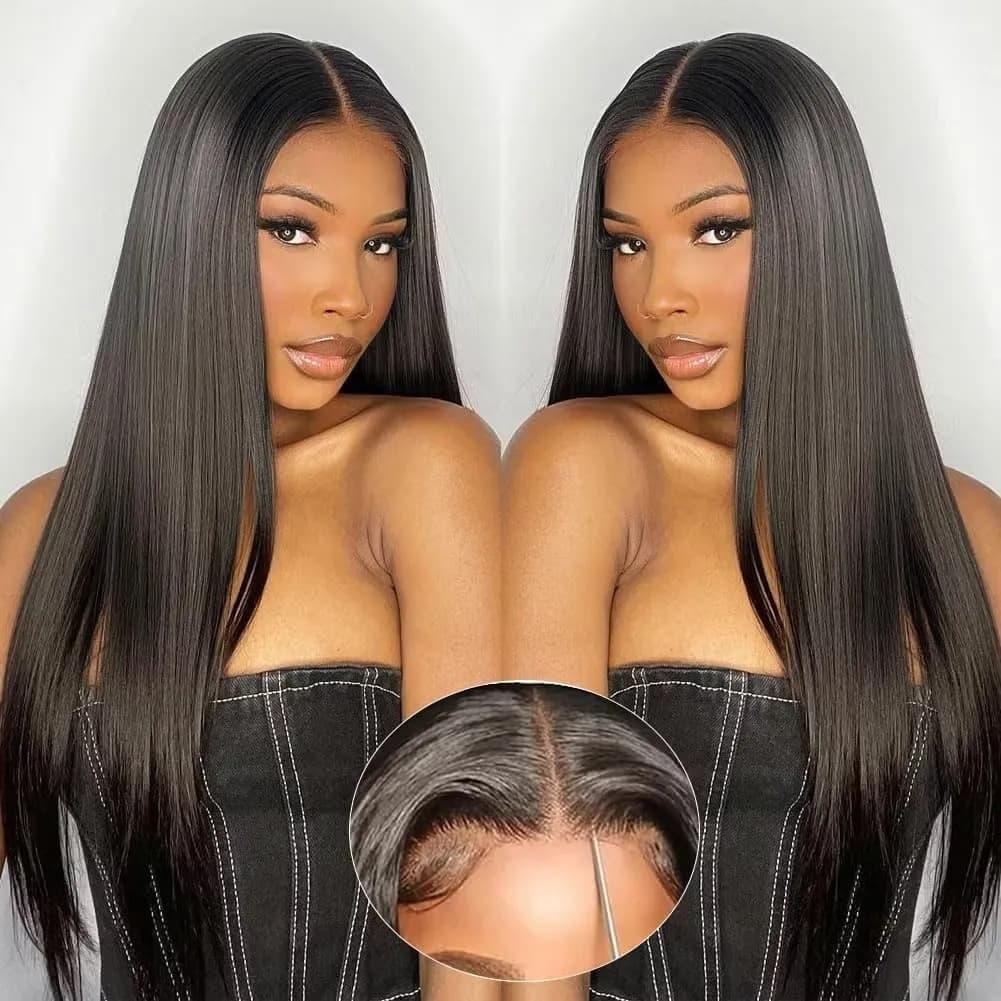
Armed with these essentials and the knowledge in this guide, you can shop for and maintain braided lace front wigs with confidence, ensuring the best combination of natural appearance, comfort, and longevity.
