
5 Simple Steps for a Perfect Look - how to measure wig size and choose the right cap

5 Simple Steps for a Perfect Look - measuring your wig cap the smart way
Getting a flawless wig fit starts with understanding how to measure wig size accurately and then choosing a cap that complements your head shape and lifestyle. This comprehensive guide walks you through practical, SEO-friendly steps, tips, and troubleshooting so you can achieve comfort, security, and a natural appearance.
The importance of accurate measurements
Wigs that fit well look more natural and are more comfortable to wear. Learning how to measure wig size helps you avoid common problems such as slipping, pressure points, and unnatural hairlines. Accurate sizing also makes shopping easier: whether buying ready-made caps or ordering a custom-made piece, the right numbers save time and money.
Tools you'll need
- Flexible measuring tape (cloth tape measure)
- Mirror or a friend to help
- Soft-lined permanent marker or washable marker to mark measurement start point if needed
- Notebook or smartphone to record the numbers

Step 1: Measure the circumference
Begin with the basic circumference, which is the most critical dimension. Wrap the tape measure around the widest part of the head: start at the hairline at the center of the forehead, go above the ears, and around to the nape where the skull meets the neck. Make sure the tape is snug but not tight. Record the number in centimeters and inches. This measurement is the foundation for determining small, average, large, or custom sizes.
Why circumference matters
Circumference dictates the overall cap size. Many retailers use this value to classify caps as petite, average, or large. If you fall between sizes, consider whether you prefer a secure fit (choose smaller) or extra room (choose larger), and remember that adjustable straps in many caps can compensate for slight differences.
Step 2: Measure temple-to-temple across the hairline
Place the tape measure at the front hairline at one temple, then pull it across the top of the head and down to the opposite temple's hairline. This measurement captures the width across the frontal area and is especially important if you want a specific front lace or mono top placement. Accurate temple-to-temple numbers ensure the hairline sits naturally and that lace fronts align with your actual forehead.
Step 3: Measure front hairline to nape
Starting at the center of the forehead hairline, place the tape straight back along the top of the head to the nape's base. This measurement is critical for determining cap length and whether the wig will cover your natural hairline comfortably without pulling. It also affects the placement of internal combs and straps for balance.
Step 4: Measure ear to ear over the top
This is similar to temple-to-temple but takes into account the span of the cap from ear across the top to the other ear. Pull the tape over the crown from the top of one ear to the other, following the natural curve. This helps determine cap pattern width and ensures ear tabs (if present) will align with your ears.
Step 5: Measure nape to nape around the base
Measure around the lower back of the head from one base point behind the ear across the nape to the same point on the other side. This helps assess how the cap will sit at the neck and whether additional coverage or a deeper nape is required for secure wear, especially for longer styles.
Interpreting your measurements and cap sizing systems
Once you have your numbers, compare them to common sizing charts used by reputable wig manufacturers. Typical ranges are:
- Petite/small: usually around 20–21.5 inches (51–55 cm)
- Average/medium: roughly 22–23 inches (56–58 cm)
- Large/oversize: 23.5 inches and up (59+ cm)
These are guidelines; always check each brand's specific chart. If your measurements fall between sizes, many modern caps offer adjustable straps, elastic bands, or Velcro for fine-tuning.
Special sizing considerations
If you have a particularly high or low forehead, a protruding forehead, or a small head disproportionate to your face, you may need custom fittings. People with hair loss conditions (Alopecia, chemotherapy-related) often benefit from custom caps for comfort and security. Also note that heat-styled synthetic wigs can sometimes relax and change slightly over time, so consider a slightly snugger fit for longevity.
Cap types and how they affect fit
Understanding cap construction helps match your measurements to a style:
- Basic caps: Lightweight machine-made caps with elastic bands; easier to size and generally more affordable.
- Lace front caps: Provide a natural-looking hairline; temple-to-temple and front-to-nape accuracy are important.
- Monofilament or mono top caps: Allow multi-directional parting; require precise crown measurements.
- Hand-tied caps: Offer natural movement and soft feel; fit closely and may require precise measurements for comfort.
- Full lace caps: Highly versatile but often need accurate overall measurements for correct placement.
How to choose the right cap once you have measurements
Match your recorded dimensions to the cap types above while considering lifestyle: if you are active, choose caps with secure internal combs and adjustable straps; if you desire the most natural hairline, prioritize lace front or full lace constructions. For sensitive scalps, look for soft linings and hand-tied caps that reduce friction.
Adjustments and securement options
Common options to improve fit and security include:
- Adjustable straps/Velcro inside the nape
- Comb clips or sewn-in combs at the sides and nape
- Wig grips (velvet bands) that sit under the wig to prevent slipping
- Double-sided wig tape or wig glue for lace fronts and full lace wigs
Tips for measuring with hair of varying lengths and textures
If you have short hair, braid or smooth it down to get accurate measurements. For long hair, braid it and pin flat against the scalp or put it into a low bun that mimics the natural contour. People with very thick or voluminous hair should compress their hair as much as possible before measuring so the cap will fit over the compressed volume. If you wear a wig cap under the wig, measure while wearing one to account for the extra layer.
Measuring for children and teenagers
Children's heads grow quickly, so measure carefully and consider slightly adjustable caps. Record measurements in both inches and centimeters to make online ordering easier and recheck periodically as they grow.
Common mistakes to avoid
- Using a rigid ruler instead of a flexible tape measure — flexible tape follows contours more accurately.
- Measuring too loosely — a cap that’s too loose will shift; too tight will cause headaches.
- Not measuring multiple key points — relying solely on circumference can lead to poor hairline or nape fit.
- Forgetting to account for underwigs or wig grips when measuring.
How to double-check your measurements
After recording each number, repeat the full set once or twice. Have a friend verify if possible. Compare against the brand’s measurement chart and leave notes on whether you prefer snug or roomy fits. When ordering online, include a comment with your measurements for customer service to recommend the best cap option.
Fitting session checklist
When your wig arrives, perform a simple fitting routine:
- Place the wig on and align the front hairline with your natural hairline.
- Secure inside straps and any combs.
- Sit and move your head to check for slipping or pressure.
- Adjust clips or tape as needed for a secure, comfortable fit.
Minor alterations after purchase
Many wigs can be altered slightly: moving ear tabs, repositioning combs, or adding a soft nape lining. Tailors and professional wig specialists can perform adjustments if you need a more precise fit based on your recorded measurements.
Maintaining fit over time
Caps, especially machine-made ones with elastic, can stretch. To maintain a good fit, avoid hanging wigs by the crown for long periods, store them on proper wig stands, and limit heat exposure that can warp cap materials. If the cap loosens over months or years, you can tighten it using internal straps, add an adjustable band, or seek a professional restringing service.
Choosing materials for comfort and breathability
Consider the climate and your scalp sensitivity: lace fronts and monofilament tops offer better ventilation and a more natural scalp look; mesh and wefted caps tend to be cooler but less natural-looking at the part. For hot climates, prioritize breathable liners and lighter constructions. For cold weather, fuller caps may provide extra warmth.
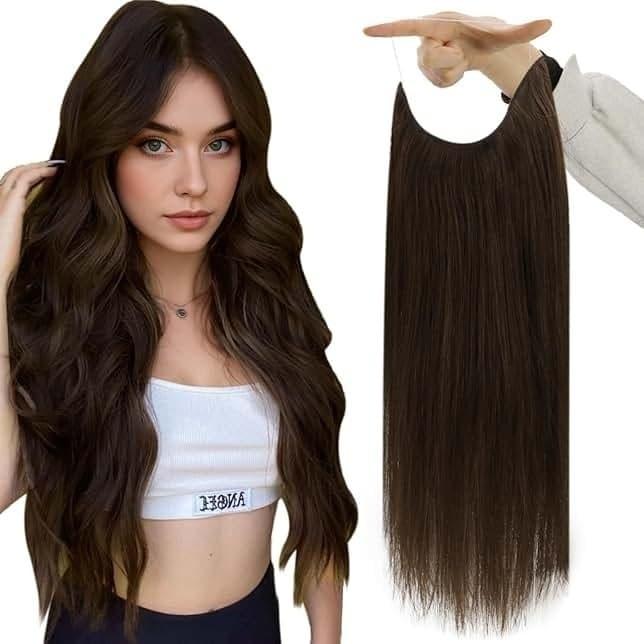
Color and skin-tone matching
While measuring ensures fit, choosing the right base color (cap or lace color) helps the wig blend with your skin for a believable hairline. Many lace fronts come in several skin-tone shades; select the one closest to your forehead and neck for the most natural appearance.
Where to get help: professionals and online resources
If you’re unsure how to measure or choose a cap, book a consultation with a licensed wig stylist or visit a reputable wig shop that offers fittings. Many online retailers provide detailed instruction videos and customer service chat to help interpret your measurements and recommend a cap type.
Checklist summary: how to measure wig size in 5 quick actions
- Measure circumference around the head (forehead to nape, above ears).
- Measure temple-to-temple across the hairline.
- Measure front hairline to nape down the center.
- Measure ear-to-ear over the top of the head.
- Measure nape-to-nape along the lower back of the head.
Record each value in both inches and centimeters and compare them to brand charts. Highlight your most important fit priority (comfort, natural hairline, or security) to select cap style accordingly.
SEO best practices applied
Throughout this piece we emphasized the phrase how to measure wig size in strategic headings and paragraphs, used supporting keywords such as "cap sizing," "lace front fit," "circumference measurement," and "wig cap types," and structured content with H2/H3/H4 and lists to improve readability and search discoverability. Including step-by-step instructions, troubleshooting sections, and buyer considerations increases the page's relevance for users searching for measurement and fitting guidance.
Final practical tips
Always measure more than once and keep a small card with your numbers. If buying multiple wigs, use the same baseline measurement method each time. For those wanting the absolute best fit, a custom-made cap using your exact measurements is the gold standard. Remember that correct sizing combined with proper styling and securement delivers the most natural, comfortable outcome.
Additional resources
Look for video tutorials on measuring technique, manufacturer sizing charts, and local wig salons that offer fittings. Join online forums or groups to compare experiences with specific brands and cap constructions before committing to a purchase.
By following these steps and understanding the different cap constructions, you will have the confidence to shop for wigs online or in-store and know exactly what measurements matter most for a perfect fit.
Note: if you want, you can request a printable measurement chart template based on the steps above to keep with your measurements.
FAQ
How often should I remeasure my head?
It's a good idea to remeasure every 6–12 months or after significant weight changes; children should be remeasured more frequently due to rapid growth.
Can I wear a one-size-fits-all wig?
Some wigs labeled one-size-fits-all use elastic and adjustable straps to fit a range of heads, but they may not provide the most natural hairline or comfort for everyone; measuring helps you choose the best option.
What if my measurements fall between two sizes?
If you're between sizes, decide based on your comfort preference and the wig's adjustability—choose the smaller size for a secure fit or the larger for extra room; adjustable straps can help fine-tune.
Related products
Blog
- how to style afro wig with heat-free techniques and pro tips for lasting volume
- does helly wear a wig severance - investigating the truth behind Helly's hair with costume notes, on set photos and expert insight
- a selah hair & wig salon - The Ultimate Guide to Luxury Wigs, Custom Hair Solutions and Pro Styling Tips
- why does nicole kidman wear wigs explained with insider facts about her hairstyles and film roles
- is britt robertson wearing a wig in merry gentleman explained with behind the scenes hair and makeup insights
- 10 Expert Tips for Styling honey blonde wigs with black roots to Achieve a Natural Sun-Kissed Look
- How to remove glue from a lace front wig safely at home without damage
- how to wear wig with long hair made easy - 9 pro tips for a seamless, natural look