Choosing a glueless wig transforms daily wear for anyone who values comfort, convenience and versatility. Unlike glued systems, a glueless approach relies on construction techniques—adjustable straps, combs, silicone perimeters, and precise cap sizing—to keep the unit secure. This means less skin irritation, no glue residue to remove, and an easier day-to-day routine. In this long-form practical resource you'll find fit advice, step-by-step care, styling strategies, troubleshooting and curated recommendations to help you make the most of every unit you own.
Not all caps are created equal. When searching for the ideal a glueless wig solution, look at three main constructions: lace front, 360 lace, and full lace caps. Lace front caps offer a natural hairline with a secure perimeter; 360 lace gives you liftable, versatile upstyles; while full lace provides the most parting flexibility. Many modern glueless designs combine a lace front with a reinforced, stretchy interior and silicone strips around the hairline to maximize hold without adhesive.
Proper fit is the foundation of success with a glueless wig. Use a flexible tape measure to record circumference, front-to-nape, ear-to-ear across the forehead, and temple-to-temple. Compare those numbers to brand sizing charts and opt for adjustable caps when between sizes. Key adjustments include tightening straps at the nape to reduce forward slip, using combs for extra hold, and trimming excess lace for a closer lay. If you find a slight perimeter gap, a thin wig grip or silicone hairband worn under the cap can significantly improve stability without glue.
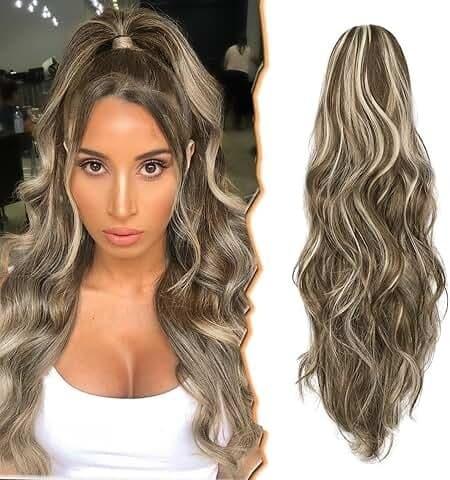
To minimize shifting when wearing a glueless wig all day, adopt routine practices: start with a clean, slicked base using a wig cap or flat cornrows; anchor with the inner combs; fasten straps snugly; and consider lightweight wig tape tabs or double-sided clips only if you anticipate high-movement activities. Rotate your units across the week to reduce wear on a single wig, and always store the unit on a stand to maintain shape.
The longevity of a glueless wig depends on cleaning frequency, handling gentleness and proper storage. Human hair units typically last longer and respond better to heat styling, while high-quality synthetic fibers are low-maintenance and keep consistent shape. Follow fiber-specific washing routines and avoid harsh chemicals when possible.
Use a heat protectant before any hot tool styling on human-hair wigs. For synthetic heat-friendly fibers, keep to recommended temperatures. Minimize heavy oils and silicones near the hairline which can break down lace adhesives later, even if you wear glueless units. Lightweight serums applied sparingly to ends help manage frizz and maintain shine for both synthetic and human hair options.
Whether you prefer sleek, natural looks or bold, editorial styles, a glueless wig can be styled into ponytails, buns, half-updos and textured waves. For secure updos choose a 360 lace or full-lace base that allows you to gather hair without exposing tracks. Use strategic sewing or discreet pins to anchor larger, heavy styles. When creating baby hairs or a soft hairline, use a toothbrush and lightweight gel or edge control to create a realistic finish. For coloring, consult a professional for human-hair wigs; synthetic options have limited dye capacity and should be replaced if color change is needed.
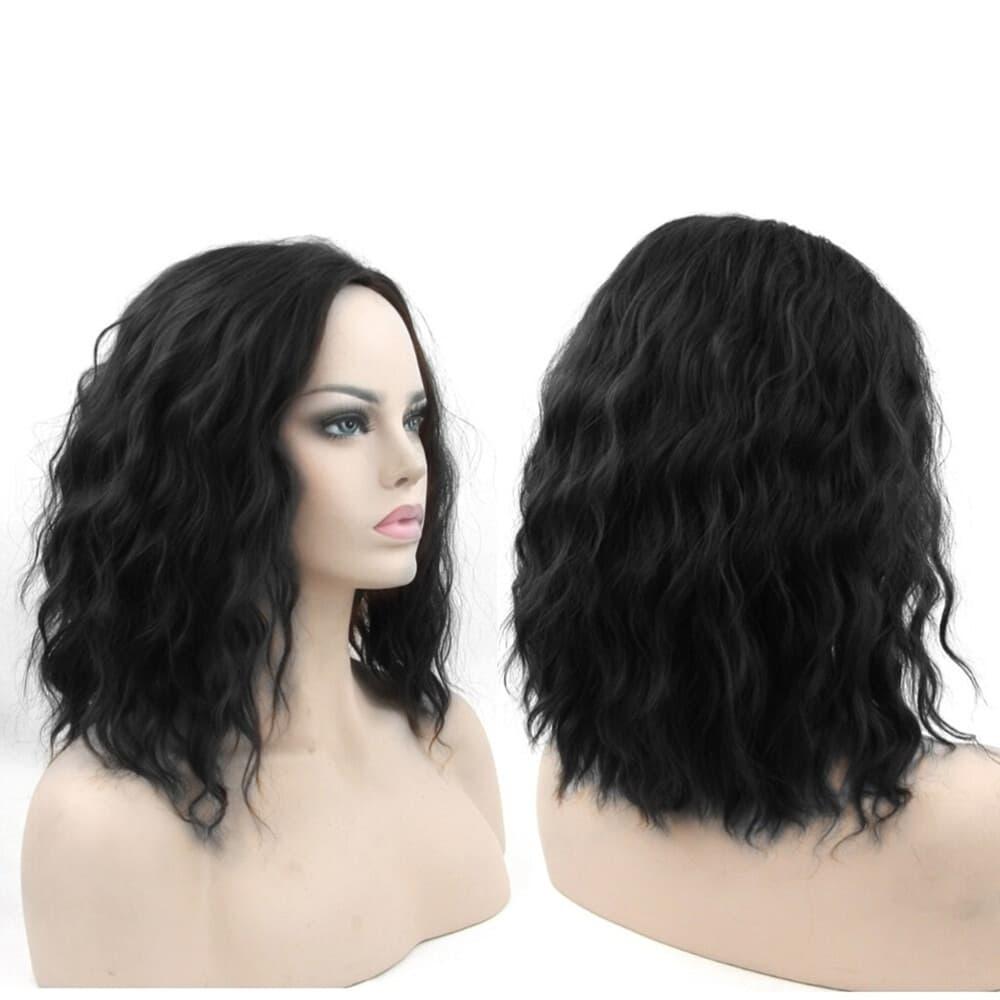
Slippage is the most common complaint. If a glueless wig slides forward, check strap tension and comb position; a silicone grip under the wig can eliminate movement. Itching or discomfort may indicate an improper cap fit or sensitivity to materials—switch to a cotton wig cap or try lightweight breathable caps. Excessive shedding often stems from aggressive brushing or poor-quality wefting; ensure gentle maintenance and avoid pulling hair during application.
For travelers and gym-goers, pack a compact brush, wig stand or foldable head form, and a small bottle of leave-in conditioner. If you expect heavy sweating, use moisture-wicking under-caps and secure the unit more tightly during workouts. After activity, rinse the scalp area and let the wig air out to prevent odor buildup. Consider a short, durable synthetic unit specifically for active days to preserve higher-end pieces.
When shopping, create a checklist tailored to your needs: cap size and stretch, lace quality, pre-plucked hairline, density and parting versatility, and whether the unit is designed as a glueless wig from the brand or modified after purchase. Look for detailed product photos, real-user reviews, and transparent return policies. If possible, buy from retailers that allow in-person fittings or offer live consultations to determine your best fit. Price often correlates with hair quality and construction—invest more in a base you’ll wear frequently.
Rather than listing single-brand names, assess top picks by category so you can apply criteria across sellers: the best budget glueless options (durable synthetics with silicone perimeters), the best everyday human-hair units (natural density, pre-plucked hairline), the best versatile 360 lace choices (for updos), and the best low-maintenance travel units (shorter lengths, resilient fibers). Prioritize transparent fiber origin, return/exchange windows, and realistic customer imagery when evaluating specific models.
If sustainability matters, choose human-hair vendors who practice responsible sourcing or synthetic fibers made from recycled materials. Maintain longevity through gentle washing, rotation, and proper storage—use satin or breathable covers to avoid dust and friction while preserving cap elasticity. Well-maintained units reduce waste and deliver better long-term value.
Tip: Keeping one reliable, well-fitted a glueless wig in rotation and a second for active days can be the most cost-effective and low-stress approach.
Useful add-ons include a soft wig comb, detachable muzzles for storage, silicone grip strips, diffuse brushes, and travel-friendly stands. Lightweight scarf or headband accessories not only create styling options but also act as secondary anchors for windy conditions. Consider heat-friendly caps for frequent stylers to prevent thermal damage to lace.
Expect to spend more initially on a quality unit but plan for lower ongoing costs with proper maintenance. Allocate budget for: a professional cut/blend on purchase, specialized cleansing products, occasional professional steaming or restyling, and a secure storage solution. Over time, the per-wear cost drops dramatically when you keep units in top condition.
Embracing a glueless wig is about blending convenience with style. Whether you are new to wigs or building an experienced rotation, focusing on fit, care and practical styling will yield the most satisfying results. With the right knowledge and a few well-chosen accessories, you can wear comfortable, secure and beautiful units every day without adhesives.
A: It's generally not recommended to swim in a wig. If you must, choose a snug 360 lace model, use a swim cap over the unit to reduce water intake, and rinse and thoroughly dry afterwards. Chlorine and salt water can damage both synthetic and human fibers over time.
A: A little shine is natural, but excess gloss often comes from silicone-based products. Use light mattifying sprays or dry shampoos designed for wigs, and avoid heavy serums near the roots and hairline. For synthetic fibers, steam or brushing can help restore a more realistic texture.
A: For daily wear, washing every 1-2 weeks is typical to remove oils and buildup; for occasional wear, once every 4-6 weeks is often sufficient. Adjust frequency based on activity level and product use.
