
10 Irresistible Photos of a dog wearing a wig and Simple Tips to Recreate the Look
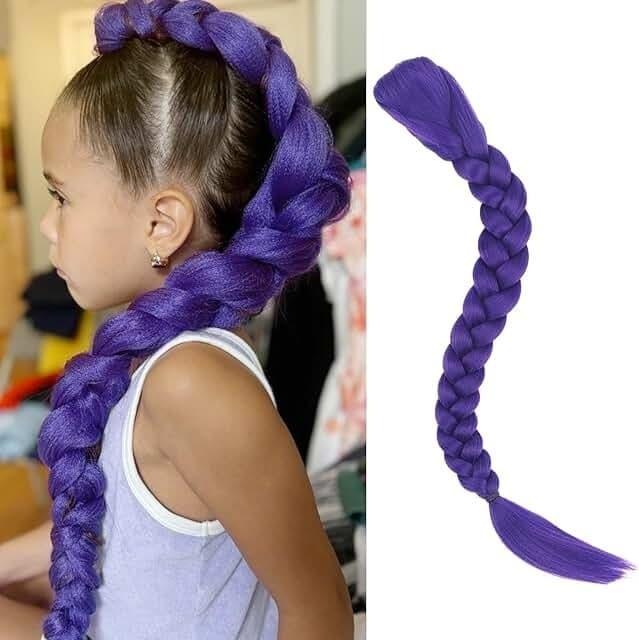
Ten Charming Snapshots and How to Recreate the Look
If you smiled at the idea of a pet portrait showing a dog wearing a wig, you are not alone. This playful visual — where a furry friend models a wig — has become a beloved niche in pet photography, viral posts, and creative costume ideas. In this extensive guide, you'll find imaginative descriptions of ten standout images, practical step-by-step advice for safely styling and photographing your pup, and tactical SEO-aware tips for sharing the results online so others searching for a dog wearing a wig can discover your content.
Why people adore images of pets in wigs
There is an instant charm to seeing a canine with a coiffure—whether it’s a vintage bob, curly locks, or a colorful costume wig. The juxtaposition of a serious or curious dog face with human-style hair creates humor, empathy, and shareability. From an SEO perspective, content that centers on a dog wearing a wig performs well because it satisfies visual curiosity, tutorial intent, and social potential. When you craft articles, galleries, or posts around this motif, balance entertainment with welfare-focused advice so readers searching for a dog wearing a wig feel informed and inspired.
Overview: The ten photos (descriptive gallery)
a dog wearing a wig that mimics 70s curls—golden fur and retro waves combine for a sunny, nostalgic portrait that works in warm tones. A squat English bulldog in a precise short bob wig — the contrast is comedic and adorable, and it’s a great study in expression over style. Bright, neon curls on a poodle create a festival-ready look. Use vibrant color safely by choosing wigs rather than dyes when discussing a dog wearing a wig visuals.A terrier peering through soft bangs—this photo demonstrates that subtle wigs can change a pup’s perceived personality from mischievous to posh. Senior dogs can look dignified with gentle updos; the key is lightweight, secure wigs that prioritize comfort. A long, flowing wig on a curious beagle offers movement in the frame—great for action shots where the hair lifts in mid-step. Playful streaks of color highlight personality without altering the dog’s coat: wigs enable temporary transformations that appeal to viewers searching for a dog wearing a wig. Dachshunds in rounded helmet wigs produce an iconic silhouette—clean shapes photograph well at eye level. Fantasy styles on huskies, like long braids, are perfect for stylized editorial shots. Ensure the dog’s mobility and breathing are never restricted. Combining a wig and a tiny hat provides an extra whimsical touch to a portrait series meant to capture smiles and shares.
Ethical and safety-first rules when styling pets
Before you attempt to replicate any of the above looks, remember the welfare of the animal must come first. Always choose wigs designed for animals or lightweight human wigs that are breathable and non-irritating. Avoid small embellishments that can be chewed off: instead opt for secure but gentle fastenings and supervise the pet at all times. If your dog shows stress signs—ears back, tail tucked, panting heavily—remove the wig and try a different approach. Photographs of a dog wearing a wig should never promote practices that harm or discomfort animals; highlight positive reinforcement and treats to make the experience enjoyable.
Choosing the right wig: material, fit, and style
Focus on soft, breathable fibers, adjustable caps, and sizes that match head circumference. For small breeds, lightweight caps and mini-wigs work best; for larger dogs, choose fuller styles with wider bands. If the goal is to create content optimized for searches like a dog wearing a wig, document the brand, size, and fitting tips in captions to help readers replicate the look safely and successfully.
How to acclimate your dog to wearing a wig

- Introduce the wig off the head at first: let the dog sniff and explore the item in short sessions.
- Use high-value treats and calm praise when the dog tolerates touch near the ears and crown.
- Practice brief fittings on soft surfaces, increasing duration slowly while monitoring comfort.
- Reward and stop while the dog is still content; negative reinforcement leads to resistance and poor images.
Practical photographic tips for the best portraits
Lighting: Natural window light or soft diffused setups work beautifully. Avoid direct midday sun that can overexpose light-colored wigs. Composition: Eye-level perspectives connect viewers to the subject and emphasize character. Use shallow depth of field (low f-stop) to draw attention to the face and wig texture. Timing: Capture candid signs of curiosity—tilted heads and perked ears make a dog wearing a wig portraits feel alive.
Camera settings and gear suggestions
Shoot at a moderate shutter speed to freeze slight movements (1/250s or faster), ISO as low as possible to reduce noise, and aperture around f/2.8–f/5.6 for flattering subject isolation. For smartphones, use portrait mode and tap to focus on the eyes. Accessories: a soft reflector, a favorite toy for focus, and a hands-free assistant can elevate results.
Styling variations and creative directions
Consider themes: vintage glamour, punk color bursts, fantasy braids, or minimalist wigs that enhance natural expression. Props: lightweight hats, scarves, or collars complement wigs when used sparingly. Backgrounds: plain neutral backdrops let the wig command attention; outdoor settings add life—grass and leaves work especially well with natural-toned wigs.
Step-by-step mini tutorial: from kit to final photo
Step 1: Gather a snug, breathable wig, calming treats, a non-slip mat, and your camera.
Step 2: Introduce the wig gradually, rewarding every calm behavior.
Step 3: Fit the wig gently, securing bands under the chin if needed, but never too tight.
Step 4: Use treats positioned near the lens to encourage eye contact and expressions.
Step 5: Shoot many frames quickly—movement makes natural looks, then review and adjust styling as needed.
Optimizing online content for search engines
To make your content discoverable for people searching "a dog wearing a wig", use the phrase naturally across headings, alt attributes, and captions. Example: alt text for images should briefly describe the image (e.g., "beagle with long wig" or "a dog wearing a wig in retro curls"). Maintain keyword density that feels organic: repeat the key phrase several times across the page in relevant contexts rather than stuffing. Structured data like image captions, lists, and clear subheadings improves readability and SEO. Share descriptive filenames for images (avoid generic names like IMG_001) and provide context in surrounding text—explain materials, sizing, and a short safety note to earn trust and clicks.
Social sharing and captions that convert
Short, witty captions increase shareability: pair a playful line with clear credit and a safety note. Hashtags can help on platforms: mix niche tags (#dogwig, #petcostume) with broader tags (#dogsofinstagram, #petphotography). When posting, consider alt text for accessibility and a brief description for search engines to index the content surrounding each image of a dog wearing a wig.
Monetization and community-building ideas
Turn your gallery into a storytelling series: weekly character portraits, behind-the-scenes making-of reels, or a guide on safe costume play. Collaborate with pet stylists, wig makers, or animal shelters to create sponsored posts or shareable campaigns—always prioritizing welfare in every partnership.
Pro tip: If you intend to sell prints or offer tutorials, include detailed product links and clear instructions that show you value both aesthetics and animal well-being when featuring a dog wearing a wig.
Common pitfalls and how to avoid them
- Aggressive or tight fastenings: avoid nail-biting strap choices; prefer adjustable soft bands.
- Leaving a wig on unsupervised: always monitor and remove after sessions.
- Ignoring signs of distress: if a dog shows avoidance, stop and try a different method.
- Poor image metadata: always add descriptive alt text and captions that include the phrase a dog wearing a wig naturally so search engines and users can find your work.
Checklist before any shoot
1) Wig fit and safety confirmed; 2) treats and rewards ready; 3) short practice session completed; 4) assistant in place if needed; 5) camera settings prepped; 6) gentle cleaning supplies to keep the wig fresh between shots.
Resources and product recommendations
Look for pet costume suppliers that emphasize breathability and soft fabrics. For tutorials and inspiration, follow pet photographers who prioritize humane practices. Document materials and model sizes in your posts so readers feel confident recreating looks safely. When listing products online, include affiliate-friendly descriptions, sizing charts, and accurate alt text such as "a dog wearing a wig - small size, breathable cap" for each image.
Closing thoughts
When executed with care, images of a dog wearing a wig can bring joy, encourage creativity, and build community—so long as you keep pet comfort front and center. Share your process, credit creators, and always include safety notes to help the trend remain positive and humane.
Shareable caption ideas
Short forms that work well on social: "New hair, who dis? #dogwig", "Hair flip level: expert — but treat required", and "Vintage vibes and wagging tails." Each caption pairs humor with a subtle reminder about welfare to keep the content uplifting and responsible.
Analytics and measuring impact
Track engagement with metrics relevant to your goals: clicks, shares, time on page, image saves, and conversion rates if you sell products. Use A/B testing on captions and thumbnails—images showing a clear face and hair detail often outperform cluttered compositions. Tag images with descriptive keywords and update metadata regularly to keep pages relevant for queries like a dog wearing a wig.
Whether you recreate a classic bob or invent a bright fantasy braid, the combination of thoughtful styling, safety-first practice, and smart online presentation will make your portraits stand out. Embrace experimentation, document every step for readers, and always respect the animal’s comfort when showcasing a dog wearing a wig.
FAQ
- Is it safe to put a wig on my dog?
- Yes, if the wig is lightweight, breathable, properly fitted, and the dog shows no signs of distress. Always supervise and use positive reinforcement.
- What materials are best for pet-friendly wigs?
- Soft synthetic fibers or natural-feel blends with a breathable cap are ideal. Avoid heavy or abrasive materials and small loose decorations.
- How can I get natural expressions in photos?
- Use treats or toys near the lens, work in short sessions with breaks, and shoot at the dog’s eye level. Candid sequences often yield the most authentic moments.
Related products
Blog
- does dijonai carrington wear a wig Uncovering Evidence, Hairstyle Analysis and the Photos Fans Miss
- Best Wig Grip Tips for a Secure Fit, All Day Comfort and Easy Styling
- How to Use a Wig Clip Step by Step Guide for Beginners to Secure Natural-Looking Styling
- how do you dye a lace front wig at home step by step professional tips for vibrant long lasting color
- estetica wigs Buying Guide 2025 – How to Choose, Style and Care for a Natural Finish
- On set hair secrets revealed did kristen stewart wear a wig in twilight plus stylist insights and photos
- does stalekracker wear a wig Unpacking the Rumors, Photos and Fan Reactions
- how to detangle a human hair wig - easy step by step guide with pro tips for silky, knot-free results