
Wigs for Black Women Trendy Styles Natural-Looking Options Care Tips and Best Buys
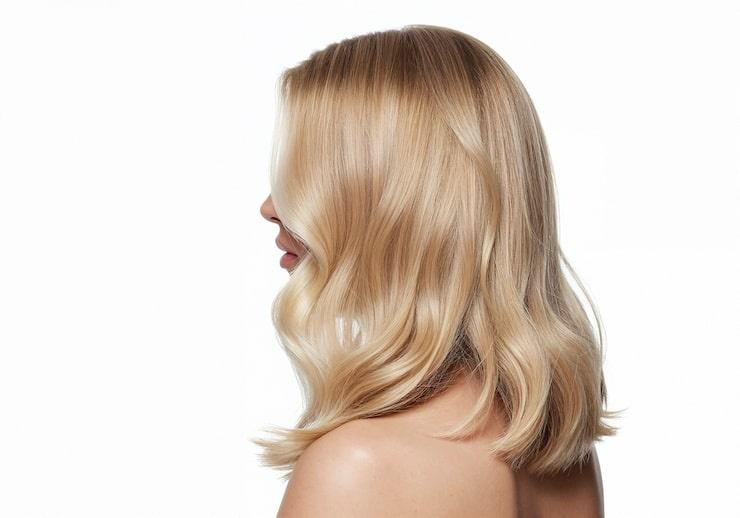
Discovering the Best Wigs for Black Women: A Complete Guide to Stylish, Natural-Looking Choices
Choosing a wig can feel overwhelming, especially when you want a look that celebrates natural texture, fits your lifestyle, and stays within budget. This comprehensive resource focuses on wigs for black women, offering actionable advice on textures, installation, maintenance, shopping strategies, and styling inspiration so you can confidently choose and care for a wig that complements your unique beauty.
Why wigs are such a popular option
Wigs are no longer just protective styles or convenience solutions; they are fashion statements and confidence-boosters. For many Black women, high-quality wigs provide the freedom to switch trends, protect natural hair, and achieve increasingly realistic results thanks to advancements in lace, construction, and human-hair options. Whether you're drawn to quick, affordable synthetic units or premium human-hair pieces, understanding the spectrum of choices will help you find the perfect match.
Core categories: Which type suits you?
- Lace front wigs — Ideal for a realistic hairline and versatile styling; you can part the hair naturally at the front and achieve seamless edges.
- Full lace wigs — Offer the most styling flexibility, including updos and pulled-back looks, great for those wanting full versatility.
- Glueless and ready-to-wear wigs — Perfect for beginners or anyone seeking quick application without adhesives; many brands offer adjustable straps and combs for security.
- U-part and half wigs — Blend with your natural hair, allowing a natural hair part and more breathable wear.
- Synthetic vs. human hair — Synthetic wigs often come pre-styled and cost less, while human-hair wigs provide longer lifespan, heat-styling options, and the most natural movement.
Texture options to mirror natural Black hair
Texture matters for realism and personal style. Look for units that replicate natural Black hair patterns: kinky, coily, curly, deep wave, and body wave textures are commonly produced to complement Afro-textured hair and yield the most natural appearance. When searching online, include texture descriptors with your keyword, for example: "wigs for black women kinky curly" or "natural-looking wigs for Black women deep wave".
How to choose a color and density
The right color and density will keep a wig looking authentically you. Consider matching the wig shade to your complexion and brows for a natural effect. For density, opt for lighter densities (120-150%) for everyday realistic looks or thicker densities (180%+) for glam styles. Balayage and subtle highlights can also add dimension without overwhelming delicate features.
Installation and customization tips
- Prep your natural hair: braid or flatten your hair into neat cornrows or a wig cap for a secure foundation.
- Customize the hairline: pluck small sections for a softer, more natural hairline, and use thin concealer or foundation between the lace and skin to blend seams.
- Cut lace carefully: trim lace close to the hairline without cutting into the knots.
- Consider tinting the lace: if lace color clashes with your scalp tone, a light lace tint or knot concealer can help.
For those seeking minimal maintenance, look for pre-plucked lace front wigs or "bleached knots" which reduce initial customization work and enhance realism.
Daily care and long-term maintenance
Whether synthetic or human hair, proper care maximizes lifespan and keeps styles fresh. Key steps include: gentle detangling with wide-tooth combs, occasional deep conditioning for human-hair wigs, low-heat styling when using thermal tools, and safe storage on a mannequin head or satin bag. Avoid sleeping with wigs on unless using a silk bonnet to reduce friction.
Washing frequency and method
Washing every 10-14 wears is common for synthetic wigs; human-hair wigs can be washed less frequently depending on styling products used. Use sulfate-free shampoo and a moisturizing conditioner, rinse with cool water, and let human-hair wigs air-dry on a stand to preserve cuticle integrity.
Styling advice to achieve natural looks
For lifelike results, mimic natural growth patterns and parting. Blend your edges with the wig by leaving a small portion of natural baby hairs exposed or style baby hairs onto the wig for a seamless transition. Use low-foam gel and light holding sprays to maintain curl definition without creating a stiff, artificial finish. Curly wigs often benefit from a leave-in conditioner spray to refresh volume and definition between washes.
Protective styling and health of your natural hair
Wigs can be a protective ally when used correctly. Allow your natural hair to breathe between wears, moisturize your scalp, and avoid overly tight wig caps that create tension. Use satin-lined caps to reduce friction and consider weekly scalp treatments to maintain skin health.
Where to buy reliable wigs and how to spot quality
When shopping, prioritize vendors with transparent sourcing, clear return policies, and detailed product descriptions. Look for high-resolution photos, model variations, and customer reviews demonstrating longevity. Quality indicators include: tight, even wefting; natural-looking hairlines; minimal shedding; and consistent curl patterns. Many retailers offer filters for length, texture, and cap construction—use them to narrow your search effectively for wigs for black women.
Budgeting: finding the best buys
Set your budget based on desired longevity and versatility. Synthetic wigs provide immediate style at lower cost, whereas high-quality human-hair wigs are an investment that can be maintained for a year or more with proper care. For smart shopping, consider:

- Buying a simpler, classic unit for everyday use and reserving premium wigs for special occasions.
- Watching for seasonal sales and verified discount codes from reputable sellers.
- Investing in a good wig cap, adhesive (if needed), and a stylist's initial customization to make the unit last longer.
Common mistakes to avoid
Many beginners make avoidable errors that reduce the wig's lifespan or realism. Don't apply heavy products directly to the cap, avoid overuse of heat on synthetic fibers, and don't skip regular detangling. When coloring wigs, preferably use a professional to avoid damage to human-hair units and irreversible results on synthetic pieces.
Practical checklist before buying
Before completing a purchase, run through this short checklist: Does the unit offer your preferred texture? Is the lace type suitable for desired styling? Are returns allowed? How many customer images and reviews confirm the product quality? Has the seller provided care instructions? Are cap sizes adjustable? Answering these questions reduces surprises when your wig arrives.
Styling inspiration and versatility
From short, tapered looks and pixie-inspired wigs to waist-length curly statement pieces, wigs provide endless opportunity to reinvent your look. Consider multiple wigs for different moods: a low-maintenance synthetic bob for busy mornings, a mid-length human hair curly for dates and events, and a full lace wig for maximum styling freedom when you want to wear your hair up or in complex braids.
How to prolong the life of human-hair wigs
Human-hair wigs respond well to salon-quality care: deep conditioning monthly, limiting heat styling sessions, and using UV-protective products if exposed to sun frequently. Store them on a mannequin head to retain shape and comb gently from tips upward to avoid unnecessary breakage.
Eco- and budget-friendly tips
Extend the life of synthetic wigs by alternating units to reduce wear, using steam to reshape curls instead of heat tools when fabrics allow, and repurposing older wigs into headbands or beanies for new looks rather than discarding them.
How to get the most realistic hairline
Achieving a natural-looking hairline often involves multiple steps: selecting a lace that matches your scalp tone, plucking or styling baby hairs, and applying minimal adhesive or an adhesive-free method that keeps the lace flush against the skin. A light dusting of powder to match the lace to your complexion can be a simple but effective final touch.
Finding a stylist who understands textured hair
A skilled stylist who specializes in textured hair and wig customization can transform a good wig into a great one. Ask for portfolios or before-and-after images to ensure they understand how to blend lace, tint knots, and shape curls to suit Black hair aesthetics.
How to ensure comfort and fit
Fit impacts both comfort and realism. Adjustable straps and combs are standard but measure head circumference for a tailored fit. If a cap feels too tight, you can gently stretch it or opt for cap sizes that better match your measurements. Breathability matters for hot climates—look for open wefting and lighter cap constructions for summer wear.
Key SEO-friendly ways to present your wig content online
When creating product pages or guides about wigs for black women, maintain clear headings (H2, H3) that include natural keyword variations, use image alt text with descriptive phrases like "kinky curly wig for Black women", and produce long-form content that answers common user questions. Structured data and FAQs improve the chance of appearing in rich snippets; ensure each FAQ uses concise Q&A pairs and includes target terms where relevant.
Summary: Making a confident choice
Finding the right wig is a balance of texture, cap construction, color, and budget. Prioritize natural-looking lace options, realistic textures tailored to Afro hair patterns, and vendors with transparent return policies. With careful customization and attentive care, your wig can be a durable, stylish, and natural-looking addition to your beauty routine—perfect for everyday wear or special occasions.
Quick maintenance cheat-sheet
- Detangle gently, starting from tips.
- Use sulfate-free, hydrating products for human-hair units.
- Minimize heat and use thermal protectants.
- Store properly on a stand or in a satin bag.
- Rotate wigs to reduce wear on a single unit.
By applying these best practices, you maximize both style and longevity for any wig chosen from the wide world of wigs for black women.
Recommended accessories to pair with your wig
Essential accessories include satin wig caps, wig grips for non-slip wear, edge control gels for baby hairs, wig stands, wide-tooth combs, and silk scarves for overnight protection. Quality accessories reduce friction, increase comfort, and preserve the look of the unit.
Tip: When trying multiple styles, keep a quick photo diary so you can track what works best with your face shape and skin tone.
If you need inspiration, search community platforms and stylist portfolios for real-wear photos labeled with texture and length details—those images often provide a realistic preview beyond marketing shots.
FAQ
Q: How often should I wash a wig for daily wear?
A: For synthetic wigs used daily, washing every 10-14 wears is typical; for human-hair wigs, wash based on product buildup—usually every 2-6 weeks depending on styling products and activity level.
Q: Can I heat style synthetic wigs?
A: Only heat-resistant synthetic fibers can be styled with heat. Always check the manufacturer's guidelines and use low heat settings. Otherwise, use steam or cold styling alternatives.
Q: What is the most natural cap construction?
A: Full lace caps offer the most natural look and styling versatility, while lace front caps provide a realistic hairline with slightly less flexibility. Choose based on desired hairstyles and budget.
Final note: the best wig is the one that makes you feel confident, comfortable, and ready to express your style—take time to explore textures, shops, and customization options so each purchase becomes a smart, lasting addition to your wardrobe of looks focused on wigs for black women.
Related products
Blog
- chiquel wigs Ultimate Guide 2025 Top Styles Care Tips and Buying Advice
- does sally's beauty supply sell wigs - complete guide to styles, pricing and where to buy
- how to cut a lace front wig the easy way step by step for a natural salon finish
- how to braid hair under wig step-by-step guide for a flat secure base and natural hair protection
- how expensive are wigs answered A 2025 price guide from budget synthetics to luxury human hair
- how to bleach wig knots safely at home step by step guide for a natural looking hairline
- How to Spot a Real donald trump wig and Where to Buy the Best Styles for Every Budget
- Wigs for Kids Guide - Best Comfortable Safe and Stylish Hairpieces with Easy Care Tips