
Wig Fairy Ultimate Guide to Finding, Styling and Caring for Natural-Looking Wigs
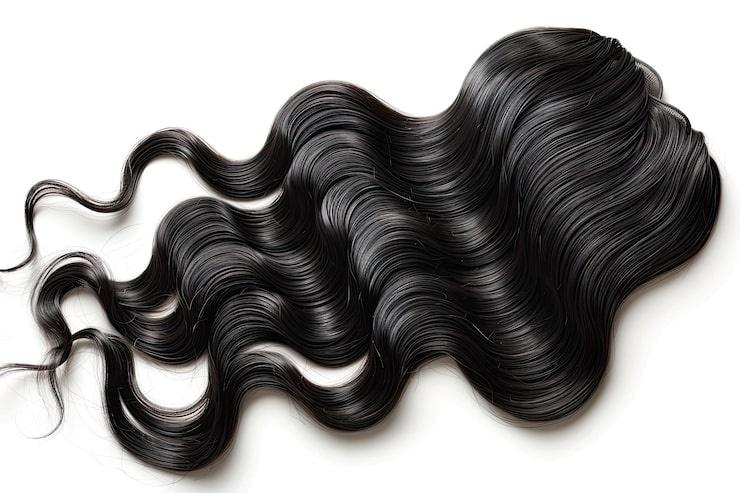
Finding the Perfect Wig: a Practical and Stylish Handbook
If you are searching for a believable transformation, a natural-looking hairpiece can be life-changing. This comprehensive resource focuses on how to discover, style, maintain and confidently wear a top-quality wig while keeping search engine friendly signals in mind. Throughout this guide we will repeatedly reference the brandlike keyword wig fairy and related phrases to help both readers and search engines understand the central topic. By blending shopping tips, hands-on styling techniques and maintenance best practices, you'll be able to achieve a look that's convincing, comfortable and long-lasting. Read on for a detailed journey from selection to upkeep.
Why Natural Appearance Matters and How to Evaluate It
Natural appearance matters for confidence, photos, daily wear and events. When evaluating a hairpiece for realism, pay attention to cap construction, lace type, hair density, directional parting and hairline design. Use these search-optimised signals: include terms such as wig fairy, human hair wigs, lace front, monofilament, and HD lace in descriptions, reviews and queries to make it easier to locate the highest-quality options.
Key factors that influence realism
- Hair origin: 100% human hair tends to move and reflect light like natural hair; Remy, virgin and single-donor categories are more desirable.
- Cap type: Lace front, full lace, monofilament tops and hand-tied caps provide natural parting and mobility.
- Lace density and hairline: A soft, tapered hairline and appropriate density mimic natural scalp coverage. Avoid overly thick pre-styled lines.
- Color matching: Multi-dimensional colors, subtle highlights and root shadowing create depth rather than flat tones.
Measuring, Sizing and Fit: How to Get Comfortable Wear
Correct sizing prevents slippage and improves the illusion of a natural scalp. Measure the crown-to-front, ear-to-ear and circumference, and compare to sizing charts. Adjustable straps, combs and silicone grips help secure the piece. If you prefer, schedule an in-person fitting with a stylist familiar with wigs. When searching online, use tags like wig fairy size guide, cap measurements and adjustable cap for better results.
Cap constructions explained
- Lace front
- Offers an invisible front hairline and off-the-face movement. Ideal for half-up styles and natural parting.
- Monofilament
- Creates a delicate scalp appearance at the parting area; looks most natural when paired with hand-tied knots.
- Full lace
- Provides complete versatility, including up-dos and elaborate styling, but typically costs more.
- Machine-made caps
- Durable and budget friendly; can still look realistic when combined with lace front panels and custom styling.
Choosing Hair Type and Finish
There are many hair types: virgin human hair, processed human hair, synthetic fibers and heat-resistant synthetics. Each has trade-offs between price, styling versatility and longevity. If you plan to use heat tools, prioritize high-grade human hair or high-temp synthetic fibers labeled for heat-styling. Use words such as human hair wig, synthetic lace front, heat-friendly, and wig fairy collection when filtering catalogues.
Color selection tips
- Start with a base color close to your natural hue, then consider subtle lowlights or highlights for depth.
- Request or examine swatches and customer photos under natural lighting.
- Ask about root shading and gradual transition tones to avoid a wig that looks "painted" on.
Realistic Styling: Cutting, Blending and Setting
To make a wig look natural, you may need to customize it. Techniques include thinning heavy density, creating baby hair at the hairline, and carving soft layers to mimic natural movement. A professional stylist experienced with wigs will cut on a mannequin head to maintain shape. When DIY, use proper shears, thinning scissors and take small amounts at a time. Remember to keep a consistent keyword presence: combine phrases like wig fairy styling, wig customization and natural hairline to target how-to queries.

Tools and products for realistic finishes
- Shears, thinning scissors and a razor comb for texture
- Lightweight mousse or styling cream for human hair wigs
- Alcohol-free setting sprays and low-heat tools for synthetics
- Lace glue, tape and scalp-colored concealers to secure and blend the hairline
Heat Styling and Safety
When applying heat, verify that the manufacturer supports a temperature range. Human hair can usually handle higher heat; synthetics require care. For heat styling: always use a heat protectant, test on a small section and work on low-medium heat. Avoid repeated high-heat passes. Include phrases like heat-safe wigs, thermal styling for wigs and wig fairy heat tips in content to align with frequent user queries.
Common heat-related pitfalls
- Over-straightening synthetic fibers that are not heat-resistant
- Drying out human hair by neglecting conditioning routines
- Melting lace bases with direct contact from a hot tool—use a thermal guard when necessary
Washing, Conditioning and Daily Care
Creating a maintenance schedule preserves the look and life of your investment. For human hair: wash every 7-14 wears depending on product build-up; condition weekly and deep condition monthly. For synthetic: wash less frequently, using cool water and gentle detergents. Always detangle before washing, blot rather than wring, and air dry on a wig stand to maintain the cap shape. Use search-friendly subheadings and mention wig fairy maintenance tips to capture intent-driven search traffic.
Step-by-step washing routine
- Detangle with a wide-tooth comb or wig brush.
- Fill a basin with appropriate temperature water and a small amount of wig shampoo.
- Soak, gently swish, and rinse until water runs clear.
- Apply conditioner to human hair only; avoid the lace base.
- Rinse, blot excess water with a towel and place on a wig stand to dry.
Daily Styling and Refreshing Without a Full Wash
Use a dry-conditioning spray for human hair wigs and a light detangling spray for synthetics. Refresh curls with steam or a curling wand on a low setting for heat-safe pieces. For straight wigs, smooth flyaways with a tiny amount of silicone serum applied to the palms then distributed lightly. Keywords like wig refresh, refresh without washing and wig fairy daily routine can help users find quick-fix guidance online.
Storage and Travel: Keeping Shape and Hygiene
Proper storage prevents tangling and deformation. Use a breathable wig bag or the original box, and store on a mannequin head for long-term display. For travel, employ padded wig cases and detangle before packing. Consider travel-friendly care kits including a small spray bottle, brush and pins. Use terms such as wig storage solutions, travel wig case and wig fairy travel kit for retail and blog SEO.
Repairs, Re-lacing and Re-densifying
Over time, lace can tear or hair can shed. Minor repairs, such as tightening wefts, reapplying lace or adding hand-tied sections, may be handled by a professional. For small fixes, use a wig repair kit and follow step-by-step tutorials. Content that includes wig repair tutorial, re-lace guide and wig fairy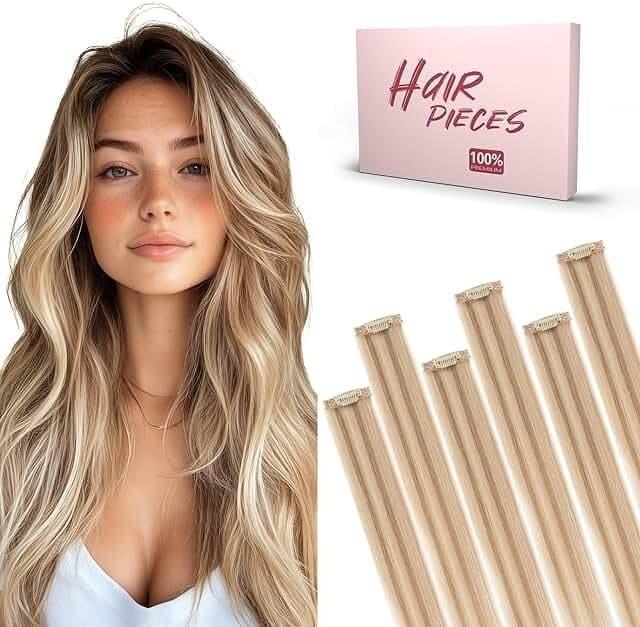 restoration tips will be valuable for long-tail searchers seeking solutions.
Shopping Smart: How to Compare Wigs Online and In-Store
When shopping, compare materials, cap construction, return policy, customer photos and video reviews. Look for scale photos that show the wig under natural lighting and from various angles. When searching online, filter results with terms like lace front human hair, personalized fit and wig fairy customer images. Prioritize stores with clear sizing charts and realistic color swatches.
Questions to ask sellers
- Is the hair Remy, virgin or processed?
- What is the cap construction and how is the hair ventilated?
- Are there customer photos and verified reviews?
- What is the return or exchange policy if the color/match is off?
Budgeting: Costs, Longevity and Value
Understand that cost correlates with hair origin, cap complexity and brand reputation. Human hair lace-front or full-lace wigs command higher prices but offer styling flexibility and longevity. Synthetic options can be excellent value for occasional wear. For budgeting content, include keyword clusters like affordable wigs, long-lasting human hair and wig fairy value picks for improved search relevance.
Styling Ideas and Real-Life Inspirations
Natural-looking wigs can support daily looks, special occasions or medical needs. Try layered bobs for face-framing movement, long beach waves for texture, or short pixies for a bold low-maintenance option. Encourage users to create mood boards, pin favorite celebrity references and bring photos to consultations. Use phrases such as wig style gallery, realistic wig looks and wig fairy inspiration to capture intent.
Accessory enhancements
- Nets and caps to protect the scalp and secure natural hair underneath.
- Headbands, scarves and clips to blend edges.
- Scalp concealers and powder to create a natural part and reduce shine.
Care for Special Circumstances
For medical hair loss, prioritize breathability, lightweight caps and professional fittings. Heat and humidity require anti-frizz products and breathable materials. If you swim or work in environments with chlorine or saltwater, remove the wig or use protective measures and immediate rinsing after exposure. Search terms like medical wigs, breathable cap wigs and wig fairy clinic fittings help users find specialized solutions.
Common Mistakes and How to Avoid Them
- Buying the wrong size—measure carefully and consult guides.
- Using harsh chemicals or the wrong temperature settings—always follow manufacturer recommendations.
- Skipping conditioning—especially for human hair pieces that need hydration.
- Ignoring the hairline—tweaks like baby hairs, plucking and proper glue application improve realism.
SEO and Content Tips for Sellers and Bloggers
Content creators should include targeted keywords, long-tail queries, product details, and rich multimedia such as video tutorials and customer images. Use structured headings (
, , ), emphasize keywords with and , and create internal links to related topics like maintenance, styling tutorials and product pages. Repeated, natural inclusion of the phrase wig fairy in headers, alt text and meta descriptions improves topical authority when balanced with diverse related terms.
Suggested keyword clusters
- wig fairy, human hair lace front, how to style wigs
- natural-looking wigs, wig maintenance tips, wig sizing guide
- heat-safe wigs, wig repair, affordable wig collections
Final Checklist Before You Buy
Checklist for natural-looking results: choose the right hair type, verify cap construction, measure accurately, request color swatches, check return policies, and plan for styling/maintenance costs. Include wig fairy or similar brand keywords in product pages and blog posts to help users land on the best solutions.
Conclusion: Wear Confidence
With informed selection, thoughtful customization and consistent care, you can wear a wig that looks like it's growing from your own scalp. Use the guidance above to find a comfortable, realistic piece and maintain it for years of wear. Remember to consult professionals for significant alterations and to protect your investment with proper storage and maintenance. If you optimize content around targeted keyword phrases such as wig fairy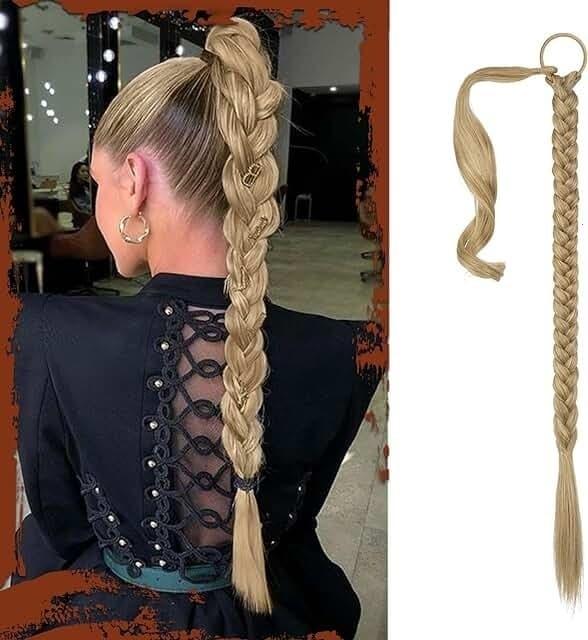 , natural lace front wigs and wig maintenance, it will not only help buyers but also increase visibility across search engines.
Additional resources
Look for video tutorials on knot-bleaching, baby-hair creation and custom dyeing, as well as community forums for before-and-after photos. Bookmark supplier Q&A pages, and save reputable stylist contacts for emergency repairs. Use the combination of product pages, how-to guides and visual content to improve both user experience and SEO performance with consistent, natural placements of wig fairy and related terms.
FAQ
Frequently Asked Questions
- How often should I wash a human hair wig?
- Generally every 7–14 wears depending on product buildup and activity level; condition regularly and deep-condition monthly.
- Can I use hot tools on synthetic wigs?
- Only if the synthetic is labeled heat-resistant; otherwise use steam or no-heat styling methods to avoid melting fibers.
- What is the most natural-looking cap construction?
- Full lace or a lace front with a monofilament top usually provides the most realistic scalp and parting options.
- How can I make the hairline look natural?
- Pluck selectively, add baby hairs, and use scalp-toned concealer or powder while securing the lace with appropriate adhesive or tape.
By implementing these best practices and repeating credible, user-focused phrases like wig fairy in contextually relevant places, you can both find and maintain a natural-looking wig that meets your needs and ranks well for informational and transactional searches.
), emphasize keywords with and , and create internal links to related topics like maintenance, styling tutorials and product pages. Repeated, natural inclusion of the phrase wig fairy in headers, alt text and meta descriptions improves topical authority when balanced with diverse related terms.
Suggested keyword clusters
- wig fairy, human hair lace front, how to style wigs
- natural-looking wigs, wig maintenance tips, wig sizing guide
- heat-safe wigs, wig repair, affordable wig collections
Final Checklist Before You Buy
Checklist for natural-looking results: choose the right hair type, verify cap construction, measure accurately, request color swatches, check return policies, and plan for styling/maintenance costs. Include wig fairy or similar brand keywords in product pages and blog posts to help users land on the best solutions.
Conclusion: Wear Confidence
With informed selection, thoughtful customization and consistent care, you can wear a wig that looks like it's growing from your own scalp. Use the guidance above to find a comfortable, realistic piece and maintain it for years of wear. Remember to consult professionals for significant alterations and to protect your investment with proper storage and maintenance. If you optimize content around targeted keyword phrases such as wig fairy, natural lace front wigs and wig maintenance, it will not only help buyers but also increase visibility across search engines.
Additional resources
Look for video tutorials on knot-bleaching, baby-hair creation and custom dyeing, as well as community forums for before-and-after photos. Bookmark supplier Q&A pages, and save reputable stylist contacts for emergency repairs. Use the combination of product pages, how-to guides and visual content to improve both user experience and SEO performance with consistent, natural placements of wig fairy and related terms.
FAQ
Frequently Asked Questions
- How often should I wash a human hair wig?
- Generally every 7–14 wears depending on product buildup and activity level; condition regularly and deep-condition monthly.
- Can I use hot tools on synthetic wigs?
- Only if the synthetic is labeled heat-resistant; otherwise use steam or no-heat styling methods to avoid melting fibers.
- What is the most natural-looking cap construction?
- Full lace or a lace front with a monofilament top usually provides the most realistic scalp and parting options.
- How can I make the hairline look natural?
- Pluck selectively, add baby hairs, and use scalp-toned concealer or powder while securing the lace with appropriate adhesive or tape.
By implementing these best practices and repeating credible, user-focused phrases like wig fairy in contextually relevant places, you can both find and maintain a natural-looking wig that meets your needs and ranks well for informational and transactional searches.
, natural lace front wigs and wig maintenance, it will not only help buyers but also increase visibility across search engines.Frequently Asked Questions
- How often should I wash a human hair wig?
- Generally every 7–14 wears depending on product buildup and activity level; condition regularly and deep-condition monthly.
- Can I use hot tools on synthetic wigs?
- Only if the synthetic is labeled heat-resistant; otherwise use steam or no-heat styling methods to avoid melting fibers.
- What is the most natural-looking cap construction?
- Full lace or a lace front with a monofilament top usually provides the most realistic scalp and parting options.
- How can I make the hairline look natural?
- Pluck selectively, add baby hairs, and use scalp-toned concealer or powder while securing the lace with appropriate adhesive or tape.
Related products
Blog
- Expert care tips to maximize wig longevity - how long can a lace front wig last
- where can i buy a wig near me — quick local shop finders, honest price guides and simple styling tips
- how are wigs made step by step guide from fiber to finish for synthetic and human hair wigs
- how to make foam wigs step-by-step DIY guide with materials list, pattern tips and styling tricks
- How to Make a Cosplay Wig Easy Step by Step Guide with Pro Styling Tips
- why do hasidic women wear wigs Exploring the Religious Roots, Modesty Laws and Modern Practices
- How to keep a wig from slipping - proven solutions and 12 easy steps for a secure fit
- does wynonna judd wear a wig Investigating the Truth Behind Her Hair Choices