
why does nicole kidman's hair look like a wig Debunked by Stylists and Insider Red Carpet Secrets
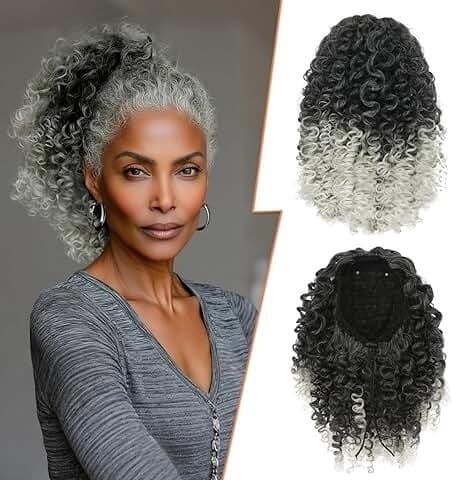
Unpacking the Look: Understanding Why Nicole Kidman's Hair Can Appear Like a Wig
Celebrity hair on camera is a blend of craft, technique and context. When viewers ask why does nicole kidman's hair look like a wig, they are often responding to a carefully curated appearance shaped by styling choices, lighting, makeup, and photographic conditions. This article explores the key factors stylists and insiders cite, breaks down common misconceptions, and offers actionable insights for anyone curious about red carpet aesthetics.
Big Picture: Context Matters
Before zooming into texture, color, and hairline, it's important to remember context. On the red carpet, every element is amplified: studio lighting, high-definition cameras, long lenses, and post-production all collide. A hairstyle that looks flawless in person can look overly polished, or even slightly artificial, on camera. That's why the question why does nicole kidman's hair look like a wig often leads to answers about equipment and environment rather than simply hairpieces.
Top Reasons Stylists Give
- Lighting and flash photography: Intense, directional lights flatten texture, creating an even sheen that can mimic the uniform surface of a wig. Photographers use strobes and continuous lights that enhance shine, sometimes making natural hair look too glossy.
- Hair products and finishes: Anti-frizz serums, high-shine sprays, and strong-hold finishing sprays are staples for high-profile appearances. These products smooth every strand and lock the style, which can create a uniform finish similar to some wig constructions.
- Backcombing and padding: To achieve volume and shape that lasts through hours of events, stylists use padding, hair rats, and strategic backcombing. That added structure changes how the hair moves and sits, occasionally producing a sculpted silhouette that reads like a wig.
- Color and root treatments: Uniform color and perfectly blended roots—often achieved through professional coloring and subtly applied powders—reduce the natural variation that gives real hair depth, leading viewers to perceive a manufactured look.
- Extensions and pieces: Many celebrities use extensions to add length, density, or fullness. High-quality clip-ins or tape-ins are expertly blended, but in some lighting and camera angles the joint between real hair and extensions can be more detectable.
- Hairline and styling patterns: Hairlines are difficult to disguise on camera. If a hairline is intentionally smoothed with product or styled in a uniform band, it may appear more wig-like—especially when paired with sculpted buns or updos.
Insider Red Carpet Secrets Stylists Reveal
Stylists who work on red carpet clients emphasize several practical techniques that affect perception:
- Start with hair health: A healthier base (conditioning treatments, careful color maintenance) reflects light differently and accepts product more evenly.
- Microlayering extensions: Professionals often use micro-link or tape extensions placed in staggered layers to avoid visible seams.
- Custom padding vs. full wigs: For dramatic volume, stylists prefer padding or a partial piece that integrates with natural hair rather than a full wig, preserving natural movement.
- Matte vs. shine balance: To avoid an overly glossy look, stylists balance shine serums with matte texturizers in the mid-lengths and ends.
- Controlled flyaways: Rather than eliminating every flyaway, leaving a few soft wisps around the face maintains a humanizing effect.
Technical Camera and Editing Effects
The modern camera is unforgiving. High-resolution sensors capture detail down to single strands; compression and broadcast pipelines can emphasize contrast and uniformity. Cinematic processing and retouching can either soften or sharpen hair texture. When a stylist says a look photographed "wig-like," they often mean that the combined effect of light, lens, and post-production created an illusion of uniform texture and immobility.
Why Close-Ups Amplify the Perception
Close-up shots focus on hairlines, edges, and parting. Any discrete element—like a slightly perfected part or smoothed hairline—becomes more apparent. Viewers then interpret that perfection as artificiality, prompting the question: why does nicole kidman's hair look like a wig?
Styling Choices That Can Push a Look Toward "Wig-Like"
Several commonly used techniques can unintentionally cause hair to read as wig-like:
- Uniform blowouts with extreme smoothing across root to tip
- Excessive use of shine enhancers without texturizing balance
- Precision-parted updos with no stray hairs or layered texture
- Full coverage root powders that erase natural depth
How Professionals Avoid the Wig Look
To retain authenticity, stylists recommend:
- Work in layers: build volume inside the hair to create movement, not just surface shape.
- Mix finishes: apply a matte or satin texturizer in the mid-lengths with a small touch of shine on the ends.
- Leave edges soft: allow baby hairs or a few face-framing strands to remain to maintain a lived-in feel.
- Blend extensions with micro-styling: use curling or texturizing irons on both extension and natural hair to unify texture.
Common Misconceptions and Myths Debunked
Myth: "If hair looks perfect, it's a wig." Reality: Perfection can reflect professional styling and high-quality products, not necessarily a hairpiece. Myth: "Only cheap wigs look fake." Reality: Some full wigs are handcrafted and natural-looking; conversely, poorly blended extensions can appear synthetic. Myth: "All red carpet volume is fake." Reality: Many looks use strategic padding and extension work combined with natural hair to create lasting volume that still moves naturally.
Case Study: How a Red Carpet Updo Is Built
Step-by-step, a typical red carpet updo that might appear "wig-like" is often assembled as follows: 1) deep conditioning and blow-dry for an even base; 2) sectioning and light backcombing near the crown to create long-lasting elevation; 3) inserting internal padding or sewn-in pieces for structure; 4) applying glossy finish sparingly on the outer layer; 5) blending extensions on the perimeter with curling irons; 6) finishing with micro-sprays and heat sealants. Each step solves a practical problem—longevity, camera readiness, and motion—but combined can create a perfectly sculpted silhouette.
How Celebrity Hair Differs from Everyday Styles
Celebrities need hair that survives hours of scrutiny, touch-ups, and movement. Everyday hairstyles prioritize manageability and natural flow. Red carpet looks prioritize longevity and visual impact. Therefore, what appears artificial in photos may simply be the trade-off for getting through a long, publicized night without a style collapse.
Products and Tools That Influence Perception
High-impact tools and products include:
- Finishing sprays with high hold
- Glossing serums and shine masks
- Root concealers and powders
- Heat tools with ceramic or tourmaline plates that seal cuticles
- Professional extensions and lace front pieces (used sparingly)
Practical Tips for Achieving a Natural Yet Red Carpet-Ready Look
If you want to avoid an overly coiffed or "wig-like" appearance while maintaining polish, consider these stylist-approved tips:
- Ask for movement: request your stylist create layers and texture that allow hair to move.
- Keep finish realistic: mix matte and shine products to avoid all-over gloss.
- Use low-visibility extensions: opt for hand-tied wefts or tape-ins placed in varied layers.
- Protect hair health: nutritive treatments reduce the need for heavy product coverage that can make hair look sealed or plastic.
Real Quotes from Stylists (Paraphrased)
"On red carpets, we have to lock styles in place. That often means using tools and padding that change how hair reads on camera, but the goal is always to make it feel like the client's hair," explains a veteran celebrity stylist. Another insider notes, "Lighting can flatten texture; that's where the wig-like effect comes from. We intentionally leave a few wisps to keep things human."
Why People Are Quick to Judge
Humans are wired to spot subtle anomalies. When hair appears too uniform, the brain flags it as potentially non-organic. This triggers the question why does nicole kidman's hair look like a wig even when the likely cause is a combination of well-intentioned styling choices and photographic amplification.
Signs That It Really Is a Wig or Hairpiece
While many looks are simply well-styled, a few indicators suggest a wig or hairpiece might be present:
- Perfectly uniform hair density from hairline to nape
- An absence of natural variation in texture or color
- Visible lace or attachment lines in close, high-resolution images
However, high-quality wigs and hair systems are designed to avoid these telltale signs, which complicates quick judgments.
Summary: Putting the Question in Perspective
The question why does nicole kidman's hair look like a wig touches on audience perception, stylist technique, and the technical realities of high-profile photography. Often the appearance stems from intentional choices—controlled shine, structured volume, and seamless extensions—rather than any single element. Understanding the interplay of product, styling, lighting, and camera work helps demystify why certain celebrity hairstyles read as artificial in photos.
Actionable Takeaways
- For stylists: blend finishes and keep edges soft to maintain a natural appearance on camera.
- For clients: demand movement and texture even in polished looks.
- For viewers: remember that photos are a snapshot of a highly controlled setup and not always representative of how hair looks in motion.
Whether or not a look involves a wig or hairpiece, the priority for professionals is a composition that suits the client and withstands the intense scrutiny of public events.
Further Reading and Related Topics
Those interested in deeper hair science can explore topics such as cuticle behavior under heat, the optical properties of hair shine, and the engineering behind modern hair extensions and lace fronts.
FAQ
Common Questions
- Q: How can you tell if a celebrity is wearing a wig? A: Look for uniform density, perfectly even color, and visible attachment lines in high-resolution shots, but keep in mind professional blending can hide these signs.
- Q:
 Do stylists prefer wigs or extensions for volume? A: Stylists often favor extensions and internal padding for control and natural movement; full wigs are used depending on the character of the look.
 - Q: Can camera work alone make real hair look fake? A: Yes—lighting, flash, and high-def sensors can amplify uniformity and gloss, leading to a wig-like impression.
In short, the perceived "wig-like" quality of celebrity hair is usually a byproduct of professional styling, environmental factors, and photographic conditions rather than a straightforward sign of a hairpiece. Recognizing the nuance behind that perception helps consumers and fans appreciate the craft and technical choices behind red carpet glamour.
Related products
Blog
- Where can you donate wigs for cancer patients - 12 trusted places, donation steps and what to expect
- how to make a foam wig in 8 easy steps complete DIY guide for beginners and cosplayers
- how do you style a synthetic wig Step by step guide with stylist tips for natural long lasting results
- why did founding fathers wear wigs and 8 surprising reasons that shaped colonial status, hygiene, and politics
- can you color synthetic wigs A practical DIY guide to dye types safe techniques and lasting results
- Where can i buy wigs near me — best local shops, price comparisons, honest reviews and quick styling guide
- Essential Guide — what are wigs made of synthetic fibers, how to care for them and choose the perfect look
- Find where to buy cosplay wigs with insider tips, top shops and affordable options