
what is the difference between a wig and a weave - complete guide to pros cons styling and maintenance
Understanding the fundamental choices: wigs vs hair extensions
If you've ever asked what is the difference between a wig and a weave, you're not alone. Many people researching protective styling or a quick change in appearance want a clear, evidence-based comparison that covers not only definitions but also practical considerations such as cost, styling flexibility, scalp health, longevity, and maintenance. This comprehensive guide breaks down the differences, highlights the pros and cons of each approach, and offers actionable tips so you can choose the right option for your lifestyle and hair goals.
Concise definitions and basic mechanics
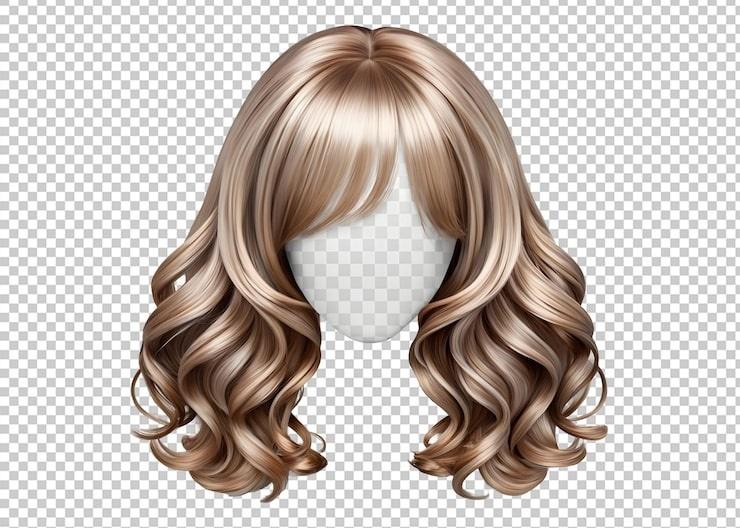
Before diving into pros and cons, it's helpful to define terms in plain language. A wig is a full head covering made from either human hair or synthetic fibers that is designed to sit on the entire scalp, typically secured by clips, combs, adhesive, or elastic bands. A weave, often called extensions when sewn-in, glued, or clipped to natural hair, augments or replaces portions of your natural hair by attaching extra hair directly to your own strands or scalp. Understanding how each product is attached—full coverage for wigs versus partial/attached placement for weaves—helps explain many downstream differences in styling, maintenance, and scalp care.
How they attach and what that means for wear
Attachment methods determine comfort, longevity, and potential hair damage. Wigs offer non-invasive wear: you can put one on and take it off daily, which is ideal for people who need temporary coverage or frequent style changes. Weaves, on the other hand, are typically applied by a stylist and remain in place for weeks to months depending on the method. Sewn-in weaves and bonded extensions distribute weight and tension across small sections of hair; if installed improperly or left too long, they can cause traction-related breakage. In contrast, poorly ventilated or improperly cleaned wigs can lead to scalp irritation or fungal issues, though they don't exert constant pulling on natural hair.
Key mechanical differences
- Coverage: Wigs cover the entire scalp; weaves are partial or supplemental.
- Attachment: Wigs are primarily removable; weaves are usually semi-permanent.
- Installation: Wigs can be self-installed with practice; most weaves require a stylist.
- Maintenance frequency: Wigs need frequent cleansing and reshaping off the head; weaves need in-salon adjustments and careful at-home maintenance.
Material options: synthetic vs human hair
Both wigs and weaves come in synthetic and human hair varieties. Human hair offers the most natural look and versatility for heat styling and coloring, but it comes at a higher price and usually requires more maintenance. High-quality synthetic hair provides convincing texture, requires less styling time, and can hold a style longer, but it reacts poorly to heat and can appear less natural under certain lighting. When choosing between a human-hair wig, a synthetic wig, or human/synthetic extensions for a weave, weigh styling needs, budget, and your tolerance for maintenance.
Pros and cons: wigs
Advantages of wigs: instant transformation, non-invasive wear, great for medical hair loss or rapid change, and easy to switch between styles, colors, and densities. Wigs can also be an affordable short-term solution if you prefer to avoid frequent salon visits. Removable wigs allow people to give their natural hair a break from styling products or heat while maintaining a polished appearance.
Potential downsides of wigs: if not properly fitted, wigs can slip or feel unnatural; low-quality wigs can tangle, matte, or shed; prolonged wear without cleaning can cause scalp irritation or odors; adhesive application (for lace fronts or full-lace systems) can irritate sensitive skin if not used carefully. Additionally, some wearers miss the natural sensation of hair on their scalp and may need time to adapt to wig edges or pressure points.
Pros and cons: weaves and extensions
Advantages of weaves: weaves provide a more natural integration with your existing hair, can offer longer-term styling without daily removal, and allow for layered styling that looks extremely authentic when sewn or bonded well. Sewn-in weaves and properly applied tape-ins can be lightweight and comfortable, and permanent-style extensions (keratin bonds, micro-links) can offer months of wear when maintained properly.
Potential downsides of weaves: improper installation or excessive tension can cause breakage and traction alopecia; leaving weaves in too long without proper cleansing and detangling can lead to matting and scalp issues; maintenance appointments are required for tightening or reinstallation; and in some cases, natural hair must be braided tightly as a base, which may be uncomfortable.
Styling flexibility and creative possibilities
When considering what is the difference between a wig and a weave from a styling perspective, the answer often comes down to versatility and convenience. Wigs are unmatched for rapidly swapping length, color, or texture: one wig can give short natural hair long curly volume in minutes. Weaves, however, offer a more integrated aesthetic and can often be styled more seamlessly with your natural hair for a blended, lived-in appearance. For color experimentation, wigs are safer because you can change hues without risking your natural hair. For long-term blended looks—think added length with natural flow—a professional weave may be preferable.
Heat styling and chemical processes
Human-hair wigs and human extensions can both be heat-styled, but repeated heating diminishes lifespan. Chemical processes like coloring can be applied to human hair units, but altering extensions already bonded or sewn in can be risky and uneven. With wigs, you can alter or recolor off your head, ensuring uniformity without worrying about tension or braid patterns interfering with the outcome.
Maintenance routines: washing, detangling, and storage
Maintenance differs significantly between wigs and weaves. Wigs typically require removal for proper washing, conditioning, and reshaping on a mannequin or drying stand. Proper storage (on a stand or in a breathable bag) prolongs lifespan and prevents tangling. Weaves necessitate in-salon maintenance plus at-home care like gentle detangling, moisturizing, and scalp cleansing. Both systems benefit from using mild, sulfate-free shampoos and products made for extensions or wigs. A key tip: never sleep on untreated, tangled hair—use a silk bonnet or scarf, and brush with a wide-tooth comb or a loop brush designed for extensions.
Longevity and cost considerations
Costs vary widely depending on material quality and whether professional services are used. High-quality human-hair wigs can cost as much as or more than professionally installed extensions. A well-cared-for human-hair wig can last a year or more with occasional wear, while high-quality sewn-in weaves or keratin-bond extensions can last several months with periodic tightening or repositioning. Synthetic wigs have the lowest upfront cost but the shortest lifespan. Consider both initial expense and recurring salon or care costs when evaluating value.
Comfort, breathability, and day-to-day experience
Comfort tends to be personal and influenced by climate, activity level, and scalp sensitivity. Wigs can sometimes feel hot, especially full-lace or monofilament caps that aren't well ventilated. Weaves integrated into natural hair may feel cooler, but the tension from braids and bonds can be uncomfortable for some. Athletes or people who sweat frequently may prefer weaves that are more securely attached for high-movement activities, but many modern wig caps are engineered for breathability and secure fit suitable for active lifestyles.
Scalp health, risk of damage, and protective styling
Scalp health considerations should guide your choice: if your scalp is sensitive or compromised, removable wigs allow for daily washing and inspection. Weaves, particularly when installed too tightly or left too long, can contribute to traction alopecia. Protective styling is about balancing tension, cleanliness, and circulation—rotate styles, avoid excessive tension, and give your hair regular periods of low-manipulation rest to support natural hair health.
How to choose based on lifestyle and goals
Answer these questions to make an informed decision: Are you seeking temporary or long-term change? Do you prefer to DIY or visit a stylist? Is low maintenance a priority? What's your budget? How important is absolute realism versus convenience? For temporary transformations, frequent color changes, or people undergoing medical treatments, wigs offer a practical solution. For longer-term, integrated looks where you want length and volume that blend seamlessly with your own hair, a professionally applied weave or extensions may be the better choice.
Practical buying tips and red flags
- Buy from reputable retailers or stylists with clear reviews.
- Inspect cap construction for wigs: monofilament, lace front, and adjustable straps improve realism and fit.
- For weaves, ensure the stylist discusses tension management, aftercare, and a realistic timeline for reinstallations.
- Avoid chemically processed extensions if you plan to do additional coloring; pre-bonded or over-processed hair can be brittle.
- Look for return policies and warranties when purchasing high-investment pieces.

When searching "what is the difference between a wig and a weave" online, prioritize content that covers material, installation, maintenance, and health implications—because the best choice isn't only about looks, it's about sustainable care.
Common misconceptions debunked
Myth: Wigs always look fake. Truth: High-quality human-hair wigs and well-constructed lace fronts can look extremely natural when fitted and styled properly.
Myth: Weaves always damage hair. Truth: Safe installation techniques and regular, proper maintenance significantly reduce risk of damage.
Quick decision checklist
- Need immediate, reversible change → consider a wig.
- Want integrated, long-lasting volume/length → consider a weave/extensions.
- Prefer low-heat, low-maintenance styling → consider high-quality synthetic options.
- Worried about scalp health or medical hair loss → prioritize breathable wig caps and consult a trichologist if needed.
Final thoughts
Deciding between a wig and a weave ultimately comes down to priorities: convenience and reversibility versus integration and long-term wear. Both can be beautiful, healthy options when chosen and maintained with intention. Keep in mind the specific question many people search for—what is the difference between a wig and a weave—isn't a one-size-fits-all answer; it's a concept that should be tailored to your hair condition, lifestyle, budget, and aesthetic goals. Consider trialing a wig if you're uncertain, because it allows experimentation without commitment. If you decide on extensions, partner with a skilled stylist who values gentle installation and clear aftercare guidance.
Ready to make a decision? Start by assessing your daily routine, talk to a trusted stylist, and pick quality materials that align with your long-term hair care strategy. Whether you choose a wig, a weave, or a combination of both at different times, the best result is one that supports the health and confidence of your natural hair.
FAQ
- How long can I keep a weave in?
- Most sewn-in weaves or bonded extensions are safe for 6–12 weeks with proper maintenance, depending on hair growth, installation method, and your stylist's recommendation.
- Can I swim with a wig or weave?
- You can swim with both, but take precautions: secure wigs, rinse and condition afterward, and for weaves avoid chlorine and salt exposure where possible; deep condition regularly.
- Which is better for hair loss?
- Wigs are generally the preferred option for significant hair loss because they offer full coverage without tension, while some weaves may not be advisable unless a professional ensures minimal stress on fragile hair.
- How do I make a wig look natural?
- Invest in a lace-front or monofilament cap, ensure proper color match to your skin tone, and learn techniques like plucking the hairline, using concealer on the lace, and blending baby hairs.

Related products
Blog
- Does michael buble wear a wig Separating fact from fiction with photos, hairstylist insight and fan theories
- why did they wear wigs in the 18th century A surprising guide to powdered wigs perukes fashion status health and politics
- who was the last president to wear a powdered wig explained with surprising facts about early American presidential fashion
- Will Wearing a Wig Cause Hair Loss — Separating Myths from Facts and How to Protect Your Scalp
- Who Sells Wigs Near Me — Find Local Shops, Top Online Sellers and Budget-Friendly Options
- how to tuck long hair under a wig - 7 easy pro tips for a sleek natural finish
- is malin akerman wearing a wig in hunting wives - behind the scenes hair reveal and expert analysis
- What is the least expensive wig option and how to shop smart for affordable wigs