
what is a u part wig explained — a practical guide to wearing, styling, maintenance and choosing the best option
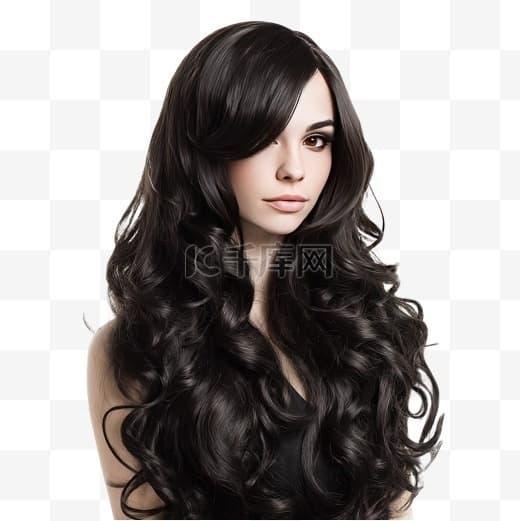
Understanding hair options can be confusing, so this comprehensive guide explains in clear, practical detail what is a u part wig, how to wear it, how to style and maintain it, and how to choose the best option for your lifestyle and desired look.
What does a U-part wig mean — a concise definition
At its core, a U-part wig is a hybrid hairpiece designed to combine the convenience of a wig with the natural appearance of leaving a portion of your own hair out. In most cases, a what is a u part wig answer highlights that the wig cap is constructed with a U-shaped opening at the front or top, which allows a strip of your natural hair to blend with the wig hair for a seamless hairline and scalp realism. This is the single most important distinction between a U-part wig and other full-coverage wigs or traditional lace front pieces.
Key elements of the U-part wig construction
- U-shaped opening: The defining feature that allows natural hair to be displayed.
- Cap design: Often adjustable with combs, elastic bands, or clips to secure the wig.
- Material: Can be made from human hair, heat-friendly synthetic fibers, or mixed blends.
- Coverage: Most designs offer full-length coverage except for the U-shaped leave-out area.
Why people choose a U-part wig
When explaining what is a u part wig to someone new to wig styling, emphasize the balance of realism and ease: you get a natural-looking part and hairline because the leave-out mimics real scalp and hair growth, but you still benefit from the protective and styling advantages of a wig. It’s often chosen by people who want to protect their natural hair, conceal hair thinning while retaining a realistic part, or switch styles without manipulating their natural strands daily.
Advantages and limitations — practical considerations
Advantages:
- Natural-looking scalp and parting, great for close-up photography and social settings.
- Less scalp glue or adhesive needed compared with full-silk-base wigs.
- Faster application than lace wigs for many users; no need to bleach knots or pluck lace for a realistic hairline in most cases.
- Flexibility to switch parting styles while still showing texture of your own hair for blending.
Limitations:
- Requires leave-out hair, which may be challenging if your natural hair is short or textured in a way that’s difficult to blend.
- Not ideal for very windy conditions unless properly secured; the visible leave-out needs to match the wig perfectly.
- Careful color-matching needed between natural hair and wig strands; otherwise, the illusion breaks.
Types of U-part wigs and how they differ
There are multiple variations of the U-part concept; when you’re researching what is a u part wig, consider these popular types:
- Classic U-part wig:
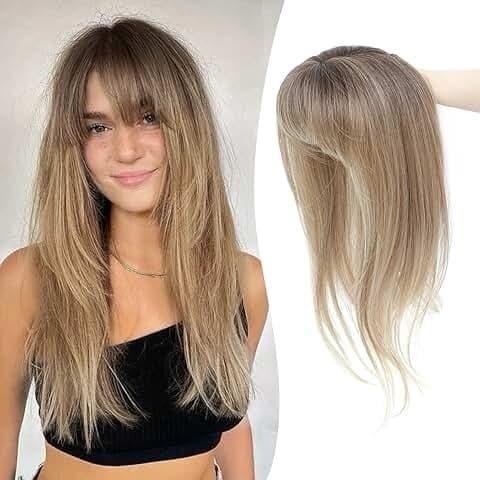 Standard cap with a small to medium U opening; versatile and often the most affordable.
 - Large U-part wig: Provides a bigger leave-out area for thicker natural hair or more complex styling.
- Partial lace U-part: Combines a lace front or lace closure with a U-shaped opening to maximize realism at the hairline and part.
- Full body U-part: Made for voluminous looks; the leave-out window is cut to accommodate more natural hair volume for blending.
Materials: human hair vs. synthetic vs. heat-friendly fibers
Material selection plays a major role in durability, styling flexibility, and cost. Real human hair U-part wigs allow for heat styling, coloring, and a natural movement that synthetic fibers can’t fully replicate. Remy human hair is a top choice for longevity and minimal tangling. On the other hand, high-quality heat-friendly synthetic wigs can be a budget-friendly option, but beware of heat limitations and potential shorter lifespan. When speaking about what is a u part wig to shoppers, always mention that matching texture (straight, wavy, curly) to the wearer’s leave-out is essential for natural blending.
Step-by-step: how to wear a U-part wig correctly
Mastering application ensures a believable finish — here is a practical step-by-step routine many stylists recommend when teaching clients how to wear:
- Prepare your natural hair: Wash and condition as needed; stretch or blow-dry if matching textures require it. Flat or twisted styles often make blending easier.
- Create the leave-out: Part your natural hair in the area that will show through the U opening. If your hair is short, consider flat-twisting or using edge control to blend.
- Secure the wig cap: Put on a wig cap or optional wig liner. Align the U opening over the leave-out area.
- Attach the wig: Use the built-in combs, clips, or wig grips. Adjust straps for snug fit. If you prefer, lightly use wig glue at the front edges for extra hold, but avoid glue near the U opening unless you’re sealing the perimeter carefully.
- Blend the leave-out: Gently comb or style your natural hair to integrate with the wig hair. Use a flat iron or curling wand on the wig and the leave-out (if human hair) to achieve consistent texture.
- Finish the look: Apply edge control, hairspray, or light oil for shine and hold. Check the part and hairline in natural light to ensure realism.
Professional tips for a seamless application
- Color-match carefully: if your leave-out is a natural level 2 (black) and your wig is level 4 (dark brown), consider dyeing either the wig or subtly tinting your leave-out to match.
- Use a small amount of concealer or a scalp powder along the part for a scalp-like appearance under the leave-out.
- For added security in high-activity settings, sew down the wig cap to a wig grip or use tape at non-visible edges — avoid tape touching the leave-out area.
Styling ideas for U-part wigs
Because U-part wigs let some natural hair show, they excel at styles that highlight a central part, side part, ponytails, and updos while maintaining natural roots. Popular styling options include:
- Middle part with soft waves for a natural, everyday look.
- Sleek low ponytail where the leave-out creates a believable root line.
- Half-up half-down styles that showcase both the wig’s volume and the authenticity of the natural hairline.
- Loose braids incorporating the leave-out to create the illusion of hair growing from the scalp.
Heat-styling considerations
If your wig is made of human hair or heat-friendly fiber, use controlled heat settings and a heat protectant. When considering what is a u part wig for frequent heat styling, prioritize high-quality human hair or a premium heat-resistant synthetic blend to avoid premature damage.
Maintenance, care and storage
Long-term wearers ask, “How do I keep my U-part wig looking fresh?” Regular maintenance includes gentle washing, conditioning, minimal manipulation, and correct storage:
- Washing frequency: Wash every 10–15 wears for human hair; synthetic fibers less often depending on product buildup.
- Products: Use sulfate-free cleansers and moisturizing conditioners for human hair; special synthetic formulas for non-human fibers.
- Detangling: Start at the ends and work up to the roots. Use a wide-tooth comb or paddle brush designed for wigs.
- Drying: Air-dry on a mannequin head to preserve shape; avoid high heat for synthetics.
- Storage: Store on a wig stand, in a breathable bag, or on a mannequin head to maintain cap shape and prevent tangling.
How to choose the best U-part wig for your needs
When deciding which U-part wig to buy, compare these factors carefully so your purchase aligns with how you intend to use the wig:
- Hair type: Human hair for realistic styling and long-term versatility; synthetic for lower cost and easy maintenance.
- Cap size and adjustability: A snug, adjustable cap prevents shifting. Look for combs and straps for customization.
- U-opening size: If you have thick or voluminous natural hair, choose a larger U-part. If your leave-out is small or you prefer a minimal reveal, a smaller opening is best.
- Color and texture match: Always match the wig’s texture to your natural hair texture for best blending; if unsure, consult a stylist or vendor photos in natural lighting.
- Budget and longevity: Consider upfront cost versus longevity; investing in a higher-quality wig often reduces replacement frequency and provides more realistic results.
Customizing your U-part wig
Many wearers opt to customize a U-part wig for a near-perfect match. Customizing options include bleach-and-tint for the knots (if present), trimming the lace or U-edge for comfort, adding baby hairs, or dyeing human hair wigs to match natural tones. If you need to know what is a u part wig in terms of customization, remember that human hair wigs are far easier to modify than synthetic alternatives.
Common mistakes to avoid
- Using too much adhesive near the U opening; this can damage natural hair and create an unnatural line.
- Poor color matching — even a small mismatch is visible next to the leave-out.
- Neglecting cap security — a loose cap can reveal tracks or create an exposed edge.
- Over-washing — strips moisture from human hair extensions and reduces lifespan.
When a U-part wig might not be the best choice
If your natural hair is extremely short across the crown or you have significant hair loss that leaves no healthy leave-out, a traditional lace wig or full-coverage wig with a realistic lace front might be preferable. Also consider your daily routine: if you need a hair solution that never requires leave-out maintenance, other wig types may be more practical.
Professional care and when to see a stylist
For first-time users or those seeking the most realistic result, professional installation and customization by a trained stylist can save time and avoid beginner mistakes. A stylist can assess your hair for suitable leave-out length, color-match the wig, and perform delicate installations and trims to enhance realism.
Budgeting and expected lifespan
Expect to pay more for high-grade human hair U-part wigs. With careful maintenance, a good-quality human hair U-part wig can last a year or longer with intermittent wear; synthetic versions may last several months to a year depending on frequency of use and care. Include styling tools, products, and possible professional services when calculating total cost of ownership.
Summary — the bottom line on U-part wigs
In short, if you’ve been asking what is a u part wig and whether it’s suitable for you, consider your hair length, texture, desired realism, and maintenance commitment. U-part wigs offer a unique blend of natural appearance and protective styling, making them a popular choice among people who want credible roots without daily manipulation of their own hair.
Additional resources and next steps
Research vendors with transparent photos and customer reviews. If possible, order a small sample or consult a stylist for in-person color matching. Once you have your U-part wig, follow the step-by-step application guide above and invest in proper maintenance to maximize longevity and realism.
FAQ
Yes, most people can wear a U-part wig provided they have enough natural hair to create a leave-out area that will blend with the wig. For those with shorter hair, consider a smaller U opening or consult a stylist for blending techniques.
Q: Is it better to choose human hair or synthetic for a U-part?Human hair offers superior styling flexibility and realism but costs more and requires more care. Synthetic wigs are lower maintenance but less versatile. Your choice should reflect your styling needs and budget.
Q: How do I blend textures if my natural hair is curly but the wig is straight?Either choose a wig that matches your natural texture or style both the wig and your leave-out to a mutual texture using heat tools (if the wig allows heat). Alternatively, have a stylist slightly alter the wig’s texture to match.
Related products
Blog
- Dee's Hair Mystery Solved - is dee wearing a wig always sunny explored with photos and expert insight
- How to wash a cheap synthetic wig - easy gentle steps and pro tips to keep fibers soft and tangle-free
- Beginner's guide on how to put on a wig for the first time with easy step-by-step tips for a natural comfortable fit
- does wynonna judd wear a wig Investigating the Truth Behind Her Hair Choices
- do orthodox women wear wigs — a clear guide to tradition, halacha, styles and modern practice
- Quick expert answers on how do you wash a human hair wig safely at home with step-by-step care tips
- where can i buy a costume wig - 12 trusted stores and online options to find the perfect look
- Find wig glue near me - top local stores, honest reviews and quick buying tips