
Red Hair Wig Buying Guide, Color Matching, Styling Ideas and Care Tips for a Natural Look
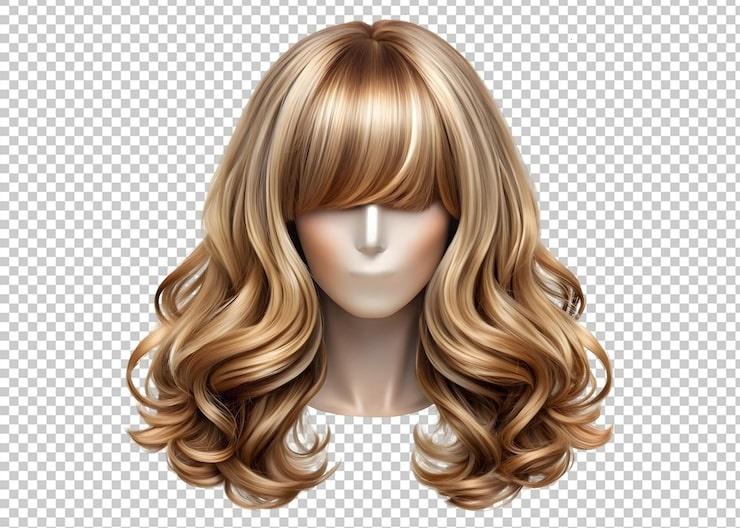
Complete Guide to Choosing and Caring for a Natural-Looking Red Hair Wig
If you're exploring ways to change your look with a luxurious red hair wig, this guide walks you through everything from selecting the right shade to styling and long-term maintenance so your investment looks natural and vibrant. Whether you're new to wigs or building a specialized collection, learning about cap construction, color matching, and realistic hairline techniques will save you time and help you achieve a believable result.
Why a Red Hair Wig? Benefits and Popular Uses
Wearing a red hair wig can be a bold fashion statement or a subtle enhancement depending on shade and styling. Red wigs are popular for theatrical use, seasonal looks, cosplay, everyday fashion, and for people experiencing hair loss who want a fresh appearance. A well-chosen red wig offers versatility: it brightens complexions, frames facial features, and can create a memorable aesthetic for photos and events.
Types of Hair Fibers: Human vs Synthetic
A key decision is fiber type. Human hair wigs give the most realistic movement and allow heat styling, making them ideal for someone seeking a long-term, natural solution. High-quality synthetic wigs have become impressively lifelike and often come pre-styled; they require less maintenance and are cost-effective. For a red palette, both human and premium synthetic options are available, but if you crave custom coloring, a human hair base is easier to dye and blend.
Cap Construction and Comfort
Understanding wig caps helps ensure comfort and realism. Lace front caps create a seamless hairline, while full lace caps allow for multi-directional parting and updos. Monofilament tops give the illusion of natural scalp parting. For heat comfort and secure fit look for adjustable straps, breathable materials, and lightweight construction. If you plan to regularly cut or style the hair, a full lace or monofilament cap paired with a human fiber wig will be most forgiving.
Color Matching: Finding the Best Red for Your Skin Tone
Choosing the perfect red hair wig is about undertones and contrast with your complexion. Reds vary from cool strawberry blondes to deep auburns and vivid copper. Consider the following:
- Warm skin tones usually pair well with golden copper, warm auburn, and rich copper-red shades.
- Cool skin tones often look flattering with burgundy, strawberry red, and cherry-red tones with blue undertones.
- Neutral undertones can wear a wide range of red hues; test both warm and cool variants to see which enhances your natural coloring.
When shopping online, examine multiple photos in different lighting and request color swatches or video samples if possible. If in-store, hold the wig near your face and observe in natural light to assess the harmony between your skin, eyes, and the wig's red shade.
Level and Intensity: Subtle vs Statement Reds
Reds are categorized by level (light to dark) and intensity (vibrant to muted). A subtle auburn may read as natural and wearable daily, while a high-intensity cherry or flame red makes a bold statement for events. For a natural look, aim for shades that are 1–2 levels lighter or darker than your natural hair and avoid extremes unless you want a dramatic change.
Face Shape and Red Wig Styles
Matching wig length, layers, and bangs to face shape improves balance and proportion. Consider these styling suggestions for a natural appearance:
- Oval faces: Versatile—try long layered cuts or chin-length bobs in warm copper tones.
- Round faces: Add height and long layers to elongate the face; side parts and long bangs are flattering.
- Square faces: Soft, wispy layers or curtain bangs in soft auburn shades can soften strong jawlines.
- Heart faces: Chin-length bob or shoulder-length waves help balance a narrow chin; strawberry blond or rose-red work well.
Density and Texture
Density plays a role in realism. Natural hair has variations in thickness; choose a wig with graduated density—lighter around hairline and temples, fuller toward the crown. Texture choices (straight, wavy, curly) affect maintenance: tighter curls may need more care but offer natural volume; looser waves can appear effortlessly natural.
Styling Techniques for a Natural Red Look
To make a red hair wig look authentic, focus on hairline realism, blending, and movement. Tips include:
- Pluck the hairline lightly on lace fronts to create irregularity similar to natural baby hairs; practice on a spare wig or patch first.
- Bleach or tint the knots slightly to reduce the visible dot effect on lace fronts, but be cautious—this can damage delicate lace.
- Use a beading brush and heat tools (if the fiber allows) to create soft waves rather than uniform curls that look manufactured.
- Apply a small amount of styling mousse and scrunch to revive texture for synthetic fibers when permitted by manufacturer instructions.
Blending with Your Natural Hair
If your natural hair shows at the edges, use color-matching techniques: subtly tinting hairline edges with a temporary spray, or choosing a wig cap that matches your scalp tone so the part appears natural. Wig adhesives and tapes help secure lace fronts for a seamless look; choose skin-friendly products and perform a patch test to avoid reactions.
Care and Maintenance: Keeping Red Hues Vibrant
Red hair fades faster than many colors because red dye molecules are larger and escape from hair cuticles more readily. To preserve vibrancy for both human and synthetic red hair wig options:
- Wash on a gentle schedule—every 8–12 wears for synthetic wigs and every 7–10 wears for human hair wigs, depending on styling products used.
- Use color-safe, sulfate-free shampoos and conditioners formulated for colored hair; for human wigs, consider a color-depositing shampoo or gloss in a matching red tone to refresh hue.
- Rinse with cool water to help seal cuticles and reduce color loss.
- Limit sun exposure; UV rays fade red pigments. Use a UV-protection spray made for hair and/or store wig in a breathable bag or box away from direct light.
Washing, Drying, and Storage
Hand wash wigs gently in a basin with a mild cleanser; avoid aggressive scrubbing. Pat dry with a towel and place on a wig stand to air dry. For synthetic wigs, avoid heat unless fibers are heat-resistant. For human hair, use a low-heat setting and protect with a heat protectant product. Store on a mannequin head or in a silk-lined box to maintain shape and reduce friction that causes frizz or tangling.
Maintenance Schedule and Professional Care
Regular maintenance includes detangling with a wide-tooth comb, trimming split ends on human hair wigs, and re-tinting or depositing color as needed. Visit a professional wig stylist for advanced customizations like cut-to-face, thinning, or lace repairs. A trained technician can also ventilate hairlines for the most natural density and simulate baby hairs.
Repairing and Refreshing Lace and Caps
Lace can tear or discolor over time; small rips are repairable with lace patches or medical-grade adhesives. If a cap loses elasticity, a wig maker can replace straps and re-sew wefts. Periodic professional cleaning and conditioning for human hair wigs preserve shine and manageability.
DIY Tips and Common Pitfalls
Common DIY mistakes include choosing an overly bright factory red, over-bleaching the lace, or neglecting cap fit. Avoid cutting the lace too close to the hairline on your first attempt—leave a bit and refine slowly. If you plan to alter color at home, always strand-test and use gloves; for dramatic color changes, consult a colorist experienced with wigs to avoid irreversible damage.
Accessories and Finishing Touches
Accessorize a red wig thoughtfully: neutral-toned headbands, delicate scarves, and metallic hair clips complement red tones without clashing. Use setting sprays for hold and shine, and matte powders at the part to reduce unnatural gloss on synthetic fibers. Wig liners and silicone grips can enhance comfort and prevent slipping while protecting your natural scalp.
Special Scenarios: Medical, Costume, and Photo Shoots
For medical needs, prioritize breathable caps and soft, hypoallergenic materials. For costume or stage work, choose high-color-intensity reds and ensure strong fastenings. For photography, coordinate wig color with wardrobe and makeup; deep reds can read differently on camera, so test under lighting used for the shoot.
Color Correction and Dyeing
Altering an existing wig's color is possible but risky. Human hair wigs can be re-dyed professionally, while synthetic fibers generally cannot take permanent dyes—use color-depositing shampoos or temporary sprays for synthetics. Lightening a dark red wig requires bleaching, which weakens hair and may compromise lace. Always consult a pro for major color work.
Shopping Checklist: How to Choose the Best Red Wig
Use this checklist when evaluating purchases:
- Confirm fiber type: human or high-quality synthetic.
- Inspect cap construction: lace front, mono top, full lace, or basic cap.
- Verify measurements: head circumference, ear-to-ear, front-to-nape.
- Request multiple images and ask about lighting.
- Check return and warranty policies.
- Read customer reviews specifically mentioning color accuracy and durability.
Budget and Longevity
Budget affects fiber quality, cap construction, and finish. Synthetic options are more affordable and low-maintenance, while human hair wigs cost more but last longer with proper care. Treat human hair wigs like invested garments: periodic professional care and staining maintenance will extend lifespan significantly.
Conclusion: Achieving a Natural Red Wig Look
Ultimately, a convincing red hair wig depends on thoughtful color selection, realistic hairline work, proper cap fit, and responsible maintenance. Combining the right shade with appropriate styling and protective care ensures your red wig remains vibrant and natural-looking through daily wear or special events. Start with a clear plan—know the shade range you want, choose suitable fiber and cap type, and maintain consistently for best results.
Quick Recap
- Match red undertones to your skin and select appropriate intensity.
- Choose cap types based on desired styling flexibility.
- Protect color with cool washes, UV protection, and color-depositing products when needed.
- Seek professional services for major color changes, custom hairlines, or repairs.
FAQ
Q1: How long does a red wig keep its color?
Answer: Color longevity depends on fiber and care: human hair wigs can hold color longer but still fade without proper maintenance; synthetic wigs often require color-refresh products to maintain vibrancy. Minimize sun exposure and use color-safe products to extend life.
Q2: Can I use heat tools on a red wig?
Answer: Use heat only on human hair wigs or heat-resistant synthetic fibers. Always apply a heat protectant and keep temperatures moderate to avoid damaging the hair and fading dye.
Q3: Is it safe to dye a synthetic red wig a different color?
Answer: Most synthetic wigs cannot be permanently dyed with regular hair dye. Temporary sprays or fabric markers designed for synthetics can change color superficially; for permanent changes, opt for a human hair wig.
Related products
Blog
- how wigs are made A step by step behind the scenes guide to human hair synthetic and lace front wig production
- Green Wig Styling Ideas and Care Tips to Buy the Best Shades for Everyday or Costume Looks
- how do i measure my head for a wig Step by Step Guide with Tape Tips and Size Chart
- does dean koontz wear a wig Examining the Rumors Photos and Evidence Behind the Question
- short curly wigs guide - top styles, styling secrets, care tips and best places to buy
- did bob ross wear a wig Discover the Truth Behind His Iconic Perm Hairstyle and Persona
- Bob Wig Trends 2025 — Ultimate Guide to Bob Wig Styles, Maintenance Tips and How to Wear a Bob with Confidence
- How to Style and Maintain a Jerry Curl Wig for Long-Lasting Bounce and Natural Shine