
Quick guide on how to keep a wig from falling off with 12 expert tips for secure, all-day wear

Practical, Expert-Backed Ways to Stop Your Wig from Slipping
Fast overview: why wigs move and what to expect
Wearing a wig confidently all day starts with understanding the causes of movement. Friction, ill-fitting caps, natural oil and sweat, wrong attachment methods, and active lifestyles are the most common culprits. This long-form guide provides practical steps and a sequence of checks to ensure your wig stays put, with targeted advice about materials, cap types, adhesives, and styling tricks. You will find 12 detailed expert tips and extended techniques so you can reduce slips, prevent mid-day fix-ups, and enjoy a secure, natural look. The phrase how to keep a wig from falling off appears repeatedly in this guide because it is central to both search intent and real user needs; tips are organized to be actionable and searchable.
What makes a wig slide: concise causes
- Cap fit — Too loose or too tight both create problems; a well-fitted cap is the baseline.
- Scalp texture — Very smooth or very oily scalps reduce friction; dry scalps may cause shifting in other ways.
- Activity level — Exercise, wind, and rapid head movements reveal weaknesses in attachment.
- Layering and styling — Heavy products, long layers, or certain updos can pull the wig off balance.
Principles before technique: what every wearer should do
Before moving into the specific steps, adopt three habits: measure and select the proper cap size, prepare the natural hair or scalp correctly, and choose an attachment method that matches your day (short errands, gym, formal event, or sleep). A good routine reduces the need for frequent adjustments and protects both the wig and your natural hair. Search engines favor pages that include practical lists and step-by-step instructions, so this guide is arranged into clear, replicable actions.
12 expert tips to secure a wig for all-day wear
Measure carefully and choose the right cap
Start by measuring the circumference of your head with a soft tape measure. Caps usually come in small, medium, and large, with adjustable straps. A cap that is slightly snug but not tight will stay secure; a sloppy cap will always slide. If you’re between sizes, opt for the smaller size and use expansion adjustments only where needed.
Prepare your hair or scalp
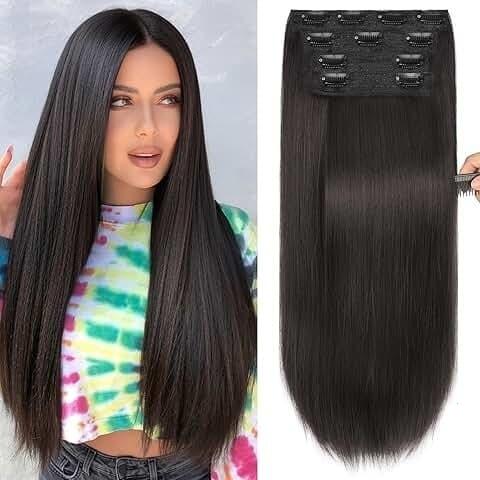
How you prep matters: braid long hair into flat cornrows or pin it close to the scalp, or wrap short hair with a wig cap. Use a non-slip wig cap when necessary. For very smooth scalps, a light dusting of powder can increase friction. For oily scalps, cleanse thoroughly and allow time before applying adhesives; some formulas bond better to clean, dry skin.
Choose the correct cap construction
Caps vary: lace front, monofilament, full lace, and basic caps. Lace-front wigs feel natural at the hairline but still need internal fastening like combs or grips. Monofilament caps provide realism and often have adjustable straps. For secure wear, a cap with built-in combs or Velcro straps increases reliability.
Use wig grips and silicone bands

Wig grips are inexpensive fabric bands with a non-slip inner lining that you wear under the wig; they dramatically reduce slipping for many wearers. Silicone bands attach to the inside of the wig cap and provide consistent friction against the head. Both options are reusable and comfortable for long wear.
Sew in clips or use combs when possible
Sew-in wig clips or concealed combs anchored into the cap give mechanical hold. If you have natural hair to anchor to, clips offer excellent stability. Ensure the clips are evenly spaced (temples, nape, and crown) and that they attach to sturdy anchor hair or a wig grip for the best hold.
Adhesives: tape vs. liquid glue — choose and apply correctly
Adhesive tape and liquid glues are powerful tools to keep a wig from moving. Medical-grade double-sided tape applied to the perimeter of the cap is discreet and holds for many hours. Liquid adhesives offer a stronger bond for active wear or windy conditions. Follow these steps: clean the skin with alcohol prep pads, apply a thin, even line of adhesive or strips of tape, allow adhesives to become tacky, and press the wig down firmly along the hairline. Remove carefully with an adhesive remover to protect the skin and lace.
Trim and adjust the hairline and lace
A professional or confident DIY trimming of the lace front creates a natural fit and reduces the chance of catching or lifting. Remove excess lace, and customize the hairline to fit your forehead. A snug hairline reduces the need to tug at the cap.
Add discreet stitching for extra security
For a semi-permanent solution, a tailor or wig professional can sew the wig onto thin, temporary anchor points on your natural hair (wefts) or onto a wig cap. This method is common for theatrical, cosplay, or long-term wear and maintains a secure position without daily adhesives.
Incorporate headbands, scarves, and styling
Decorative headbands, silk scarves, or functional wide bands can hide edges and hold a wig in place. Choose non-slip materials or textured bands for additional friction. This method is ideal for transitional days or when you want a quick, comfortable hold without glue.
Control moisture and oils
Use sweatbands if you exercise, and blot oils without over-drying the scalp. Anti-perspirant sprays designed for the scalp or waterproof adhesives are useful for high-humidity environments. Keeping a small towel and a travel-sized adhesive or tape in your bag helps when unexpected sweat threatens the bond.
Trim and style the inside of the cap
Remove excess bulk from the inside and ensure interior seams lie flat against the scalp. Some wigs include adjustable straps — use them to fine-tune fit. Consider adding a soft strip or thin silicone pad at pressure points to prevent shifting during movement.
Practice attachment and removal to build a routine
A stable routine reduces mistakes. Practice applying tape, glue, or clips at home multiple times to learn how adhesives react to your skin and how to position the cap most comfortably. Routine also helps you detect when the wig needs cleaning, which impacts hold.
Step-by-step quick setup for a secure day
Follow this sequence before you head out: 1) Prepare your hair or scalp; 2) Put on a non-slip wig cap or wig grip; 3) Position the wig and align the hairline; 4) Secure with clips/combs; 5) Apply tape or glue if you need extra hold; 6) Press the lace/hairline firmly; 7) Style and add a headband or scarf if desired. Practiced several times, these steps take only a few minutes and prevent most mid-day mishaps.
Special situations and tailored advice
Exercise and active wear
Pair a strong medical-grade adhesive or multiple strips of tape with a silicone band or wig grip. Choose lighter wigs and shorter styles where wind resistance is lower. Consider a sweatband under the wig cap for vigorous activity.
Windy conditions
Use a combination of adhesive and discreet stitching or sew-in clips. A tightly fitted cap with minimal loose hair reduces the wind’s leverage. Tuck any long pieces inside the cap when possible.
Sleeping or long shifts
Special night caps and sleep-friendly adhesives exist for those who sleep in wigs. If you need secure long-term wear, consider professionally installed sew-ins or medical wig solutions designed for continuous use.
Products, materials, and maintenance tips
- Wig tape: choose hypoallergenic, medical-grade tape for skin safety.
- Liquid glue: select brands known for long hold and safe removal.
- Wig grips: fabric or neoprene options provide comfort and friction.
- Combs and clips: metal or silicone-covered clips anchored into the cap add mechanical security.
- Silicone strips: stick-in place pads help with local slipping points.
Common mistakes to avoid
- Relying only on a single attachment method for active days — combine methods for the best results.
- Using too much glue or tape — more is not always better and can damage lace or skin.
- Skipping scalp care — oily or unclean skin weakens adhesives.
- Not practicing — a rushed application increases the likelihood of errors.
SEO note: pages that include practical steps, product categories, and user intent phrases like "how to keep a wig from falling off" often perform better because they directly match common search queries. Break your content into clear H2/H3 sections, use lists for procedures, and include images or diagrams with alt text describing the technique for added optimization.
Advanced techniques for stylists and frequent wearers
For professionals: consider custom-molding silicone bands, micro-stitch anchors, or low-profile elastic straps integrated into the wig cap. For medical wig users or stage performers, secure sew-ins paired with skin-safe adhesives provide the highest confidence level. Always keep removers and skin protectants on hand.
Troubleshooting: quick fixes when a wig starts to move
- Small lift at the hairline: apply a single tape tab or dab of glue, press, and pat; avoid excessive repositioning.
- Back of cap sliding: tighten internal straps or add a silicone strip near the nape.
- Clip discomfort: re-position or add a silicone pad to soften pressure points.
Think of wig security as layers: base fit, anchoring mechanisms (clips/grips), adhesives, and external supports (headbands/scarves). Combining layers often yields the best balance between comfort and hold while preserving wig integrity.
How to remove adhesives safely
Use manufacturer-recommended removers or natural oil-based removers to dissolve glue or tape residue. Peel gently and slowly, lift lace edges progressively, and cleanse the scalp afterwards to remove residual adhesive. Damaging the lace or your skin makes future wear less secure.
Checklist: morning routine for secure wear
Before leaving home, confirm these items: wig cap or grip in place, clips fastened, tape or glue applied where needed, hairline trimmed and seated, and a small emergency kit packed (tape, clips, small brush). This checklist prevents many common daytime problems.
Visual styling tips that improve security
Strategic styling—low ponytails, side parts, and pinned back layers—reduces wind force and tension. Avoid heavy, wet products at the roots; use dry texturizers to add local grip without creating residue that undermines adhesives.
When optimizing your online content for this topic, include images showing proper tape placement, step-by-step adhesive application, and before/after examples. Use alt attributes such as "secure tape placement for wig" and "wig grip under lace front" to help search engines connect visuals to the phrase how to keep a wig from falling off.
When to consult a professional
If you experience skin irritation, consistent slippage despite correct methods, or you need a custom solution for performance or medical reasons, a wig specialist or licensed cosmetologist can tailor a reliable system. They can measure, alter cap structures, and install sew-in anchors that are hard to replicate at home.
Closing summary: practical takeaways
To reduce wig movement reliably: pick the right cap, prep the scalp and natural hair, combine mechanical anchors with adhesives as needed, and maintain a consistent application routine. Use lightweight styles for active days, and always remove adhesives safely. Repeating the phrase "how to keep a wig from falling off" across your page in headings and in-body text helps match user queries and improves discoverability for practical guides like this.
Bonus quick-reference: 12 key words to search for products: wig grip, wig tape, lace front adhesive, wig clips, sew-in anchors, silicone strip, wig cap, wig glue remover, anti-slip headband, monofilament cap, installation kit, breathable cap.
FAQ
Can I use both tape and glue together?
Yes — many wearers apply tape at the hairline and a thin glue line for added security. Test skin compatibility first and remove adhesives with a proper remover to avoid irritation.
How long does adhesive typically last?
Medical-grade tape can hold from a day to several days depending on activity and skin oils; liquid adhesives can hold longer but depend on the product and environmental factors.
Is a wig grip comfortable for long wear?
Most users find wig grips comfortable and breathable; choose a soft-lined option and adjust tightness for comfort.
Related products
Blog
- Who Wears Wigs on Days of Our Lives Revealed in a Complete 2025 Cast and Hairstyle Guide
- Long Black Wig Care and Styling Secrets Every Woman Should Know for a Realistic Head Turning Look
- Expert visual guide - how long is a 30 inch wig with real measurements, styling tips and photo examples
- what does wig mean gay slang explained - origins, viral moments and how to use the term confidently
- how to fix a wig that's too big with 8 easy DIY adjustments to make it fit perfectly
- How to Shorten a Wig - Easy DIY Steps, Cutting Techniques and Styling Tips for a Perfect Fit
- is wigs.com legit - Honest 2025 Review of Wigs.com Trust, Shipping, Returns and Customer Experiences
- Find the best wig shop near me with expert tips, style guides and honest local reviews