
is kristen stewart wearing a wig in twilight A stylist fact check on Bella's hair and behind the scenes styling
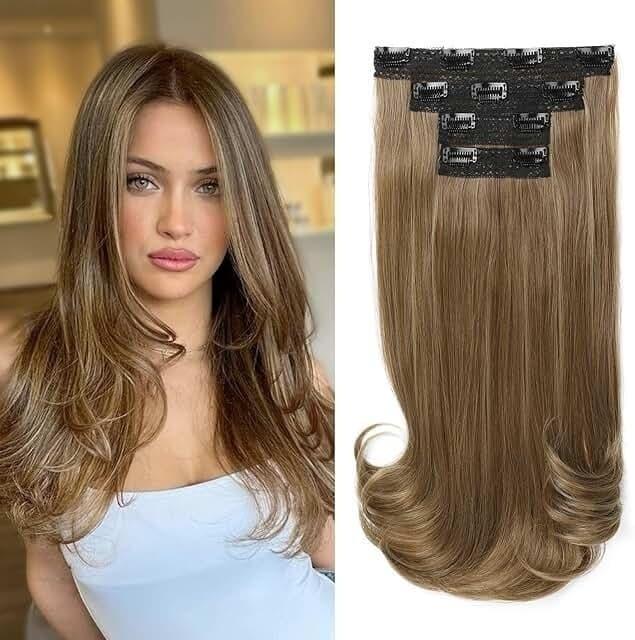
is kristen stewart wearing a wig in twilight — an evidence-based stylist look into Bella's hair
If you've ever paused a scene in Twilight to study Bella's hairstyle, you're not alone. The question "is kristen stewart wearing a wig in twilight" has circulated for years among fans, beauty bloggers, and film-curious readers. In this in-depth exploration we take a measured, SEO-aware approach to explain the difference between wigs, extensions, and styling techniques used on film sets, the practical reasons stylists choose each option, and what public behind-the-scenes material suggests about Bella Swan's iconic look.
Why this question matters for film styling and continuity
Hair choices on a feature film are driven by several production needs: character consistency across shooting days, speed for continuity and stunts, actor comfort, and the visual vocabulary the director wants to create. A natural-looking hairstyle like Bella's — subtly layered, with a slightly lived-in texture — can be achieved with the actor's real hair, professional color work, the use of clip-in extensions, or occasionally wigs and toppers. So when people ask is kristen stewart wearing a wig in twilight, the practical answer is: it depends on the scene and the needs of production.
What industry practice tells us about hair on set
In most contemporary film shoots, hair departments balance several tools rather than relying exclusively on a single method. Those tools include:
- Natural hair — Actors often keep their own hair, which is cut and colored by the hair team to fit the character.
- Clip-in extensions — These add length or volume and are quick to apply between takes.
- Toppers and wefts — Pieces that enhance the crown or sides for close-up shots.
- Full wigs — Used for dramatic transformations, stunt doubles, or when the actor's real hair cannot be consistently reproduced across a long shoot.
Each method has tradeoffs. Extensions and toppers allow the actor to persist with their own hair while adding consistency. Full wigs offer total control but can be less comfortable and harder to mold into natural movement unless high-end, custom lace-front wigs are used.

Specific indicators to watch in film footage
When trying to determine whether a performer is wearing a wig, look for subtle visual cues: hairline uniformity, how roots move in close-ups, changes in parting or volume between scenes, and any seam or line at the forehead. On the other hand, professional lace-front wigs are designed to mimic natural hairlines, so these cues can be hard to spot without high-resolution behind-the-scenes footage.
Key visual signs that suggest extensions vs. wigs
- Root texture and visible scalp: Consistent scalp texture usually indicates natural hair or well-blended extensions.
- Movement in wind: Natural hair and quality extensions move with a similar weight; cheap wigs may collapse or move unnaturally.
- Close-up shots of the hairline: If the hairline looks slightly too perfect or the density is uniform where a natural hairline thins, a wig or topper may be present.
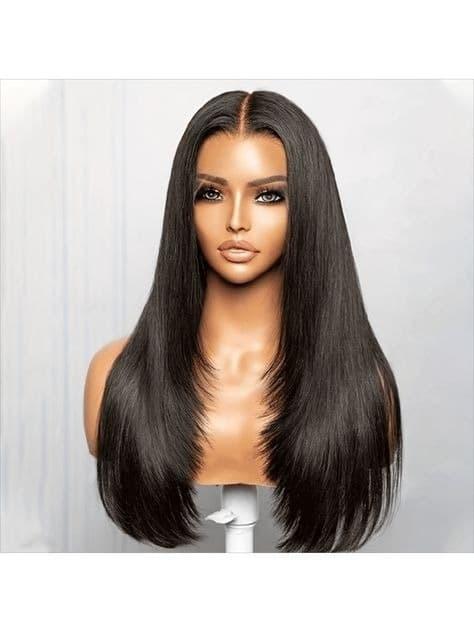
Behind-the-scenes evidence from Twilight-era materials
Publicly available making-of videos, interviews, and set photographs from the Twilight production reveal typical on-set processes: quick touch-ups between takes, the presence of a hair department with extension supplies, and rapid styling for continuity. While there is no definitive high-resolution admission that Kristen Stewart wore full wigs throughout principal photography, multiple references indicate that extensions and hairpieces were in the mix to ensure length and volume consistency. Therefore, a responsible conclusion is that Bella's hair was achieved primarily using the actress's natural hair enhanced by professional techniques rather than relying solely on full wigs.
Why extensions are often preferable for this kind of character
For a grounded, slightly tousled look like Bella's, extensions are a favorite choice for hair departments because they:
- Maintain the actor's natural hairline for expressive close-ups.
- Allow for quick adjustments between takes without removing a full wig.
- Blend length and thickness without the potential stiffness of a wig.
Given these production advantages, it's often more plausible that clip-ins or wefts were the primary tools for Bella's long, dark hair in Twilight, especially when the role required naturalistic movement and expression.
Practical reasons a production might use a wig for parts of a film
Even when an actor uses natural hair most of the time, there are moments when a wig or full-piece is preferable: stunt sequences requiring a wig for safety or continuity with a stunt double, reshoots when the actor's hair has changed, or quick-switch scenes demanding an immediate, repeatable look. In those scenarios a high-quality lace-front wig could be used so seamlessly that viewers and even close-up cameras may not detect it.
How makeup and costume teams collaborate with stylists
The hair team works in tandem with makeup and costume to craft the character's overall silhouette and to anticipate continuity challenges. A layered approach ensures that hair color and texture match the wardrobe palette and the on-set lighting conditions. For Twilight's moody, Pacific Northwest aesthetic, hair color was kept natural and matte rather than glossy, which also helps conceal any cosmetic joins between natural hair and added pieces.
Professional perspectives on authenticity vs. practicality
As a guiding principle, film stylists aim to preserve the actor's natural expressiveness. Wigs can sometimes inhibit facial framing or hide subtle movements an actor relies on, while extensions and partial pieces preserve more of that natural synergy. For Kristen Stewart, known for her understated, natural performance, stylists likely prioritized methods that preserved facial nuance while ensuring continuity across weeks—or months—of filming.
What fans and close analysis tell us
Fans who examine frame-by-frame footage note minor differences in length and volume across certain Twilight scenes, which aligns with typical use of clip-in extensions or wefts applied on different shoot days. There are no publicly known admissions from the main hair department that the lead wore full wigs for the majority of principal photography. From an evidence standpoint: the balance of probability favors natural hair plus extensions rather than a permanent wig.
Expert-safe summary: the short, nuanced answer
So, is the short answer to is kristen stewart wearing a wig in twilight that she most likely was not wearing a full wig throughout the film? Yes — evidence and set practice point to a combination of natural hair, color work, and added extensions or toppers as the primary methods, with wigs possibly used in isolated circumstances such as stunts or very specific continuity needs.
How you can tell for yourself (a practical-minded viewer's guide)
- Watch behind-the-scenes featurettes and photo galleries for glimpses of the hair team at work.
- Compare frontal close-ups across different scenes to study hairline and root movement.
- Notice how hair reacts to motion: natural hair and high-quality extensions will exhibit similar dynamics.
- Look for tooling and equipment around the set in candid shots—if extension clips, weft packs, or tape are visible, that suggests non-wig solutions were used.
Terminology cheat sheet
For clarity when reading interviews or trade sources, here are a few useful definitions:
- Clip-in extensions: temporary hair wefts attached to the natural hair for volume/length.
- Toppers: partial pieces that cover crowns or top sections to add density.
- Lace-front wig: a high-end wig with a sheer lace hairline for realistic close-ups.
- Wefts: strips of hair sewn or taped into the natural hair for longer-term wear.
Final notes on reliability and sourcing
When assessing any behind-the-scenes claim, it's important to distinguish between rumor and documented evidence. The most reliable sources come from official behind-the-scenes footage, production notes, or direct comments from the hair department. In the absence of an explicit, widely-distributed production admission that a full wig was used for the entirety of the role, the careful conclusion—based on visible cues and typical film-hairdressing practice—is that Kristen Stewart's Bella primarily relied on natural hair enhancement techniques rather than a single, permanent wig.
Want an expert refresher?
If you are curious to learn more about how film hair departments operate, consider searching for professional interviews with set hair stylists, reading trade magazines that cover film production, or watching DVD/Blu‑ray extras where hair and makeup teams discuss their work. Such materials are the best route to verified details rather than speculation.
Closing takeaway
To bring this back to the original phrase that sparked this piece: is kristen stewart wearing a wig in twilight is a fair and searchable question that reflects viewers' curiosity about onscreen realism. The most balanced, evidence-informed answer is that Bella's hair was achieved mainly through skilled styling, color, and extensions, with wigs only used when production demands required them for continuity or stunts. That blended approach explains why Bella's hair looks both natural and consistently cinematic throughout the film.
If you enjoyed this stylist-focused examination and would like a breakdown of specific scenes where hairpieces are most likely, or a technical explanation of how lace-front wigs are integrated on set, indicate which scenes interest you and a follow-up can be provided.
FAQ
A: Public interviews from the era focus mainly on her performance and character choices; explicit technical comments about hair are rare. Most reliable clues come from behind-the-scenes footage and production stills.
A: Stylists use organized reference photos, labeled extension packs, and detailed continuity notes so hair can be recreated day after day with consistent color, length, and texture.
A: High-quality wigs are designed to be indistinguishable from natural hair, especially when cut and styled by professionals. Only by examining high-resolution close-ups or behind-the-scenes footage can differences be reliably detected.
Related products
Blog
- how to cut a wig into a bob made easy step by step DIY guide for salon quality results
- is frankie heck wearing a wig — examining the evidence from episodes, styling choices, and fan theories
- Expert Guide to Lace Front Wigs with Styling Tips, Care Advice and Top Picks
- how to apply a front lace wig - beginner to pro step-by-step tips for a flawless natural look
- what do ear wigs do - benefits, fitting tips and simple care for natural ear hair solutions
- Long Wigs Buying Guide 2025 - Best Styles, How to Style and Care for Long Wigs
- does morgan kohan wear a wig explored with hairstyle clues, photo timeline and expert commentary
- how do i put on a lace front wig explained step by step with pro tips for a secure natural look