
Human Hair Pixie Wigs 2025 Guide - Best Cuts, Care and Styling Tips

Discovering Lightweight Confidence: Short Guide to Modern Pixie Options
Welcome to a comprehensive, user-friendly exploration focused on short styles made from natural strands, specifically human hair pixie wigs, crafted to empower styling freedom and authentic texture. This long-form resource blends practical styling techniques, maintenance routines, shopping strategies, and fit advice so you can choose and care for a cropped wig that looks and feels like real hair. The aim here is to provide an SEO-optimized, content-rich reference that addresses common concerns and helps you make decisions that match lifestyle, budget, and aesthetic goals. Throughout this piece, the expression human hair pixie wigs appears in key positions to emphasize relevance for search queries while maintaining natural flow and reader value.
Why choose human hair for a short cut?
Natural fibers offer authenticity: texture, movement, and the ability to be heat-styled repeatedly with professional tools. Unlike synthetic alternatives, human hair pixie wigs respond predictably to flat irons, curling irons, and chemical services, which means you can personalize your cropped silhouette, from feathered layers to sculpted tapered napes. Benefits include realistic shine, ease of blending with natural hair at the hairline, and the option to alter color or length through a trusted stylist.
Understanding cap construction and why it matters
Cap types change comfort, breathability, and styling possibilities. Lace-front caps allow a seamless hairline and natural parting near the forehead; monofilament tops mimic scalp appearance at the part; full-lace units offer multi-directional styling; and basic wefted caps provide budget-friendly volume. For cropped looks where the hairline is visible, prioritize lace-front or monofilament constructions for the most realistic effect when wearing human hair pixie wigs. Pay attention to cap circumference measurements and adjustable straps so the wig remains secure during everyday movement.
Layering, density and texture choices
When selecting a pixie, consider the density and how layers fall around the crown, forehead, and ears. Fine density suits delicate faces and creates airy silhouettes; medium-to-high density produces fuller styles and can enhance volume in shorter cuts. Texture options—straight, wavy, textured, or coily—affect styling time and product choices. If you plan to use heat tools frequently, choose ethically sourced, heat-tolerant human hair and invest in a heat protectant product to preserve strand health.
Face shapes and matching a pixie profile
Pixie cuts complement many face shapes, but tailoring the cut enhances balance: oval faces can experiment widely; heart-shaped faces often benefit from soft bangs or side-swept fringe to soften the forehead; round faces look great with added height at the crown or longer layers at the top to add length; square faces can be softened with choppy layers and asymmetry. If unsure, request virtual fittings or try adjustable styling to test different part placements and fringe lengths before trimming or customizing a human hair pixie wig.
Shopping tips: choosing a quality unit
- Vendor reputation and reviews: prioritize sellers with clear sourcing policies and numerous positive customer photos showing short styles.
- Return and exchange policies: ensure you can make size, color, or construction changes after receiving the unit.
- High-resolution photos and videos: look for 360-degree views of the pixie style to judge how the nape and crown are designed.
- Density and length charts: cross-reference product specs with your desired finished look and ask customer service about custom density options if needed.
- Color matching services: many reputable vendors offer color-matching assistance for blending a wig with your natural hairline or skin tone.
Preparing the wig for first wear
When you receive a new human hair pixie wig, it's best practice to rinse gently with a sulfate-free, clarifying shampoo to remove any manufacturing residues and to train the hair direction. Condition lightly, detangle with a wide-tooth comb, and allow the piece to air-dry on a wig stand to preserve cap shape. If you prefer a worn-in texture, you can methodically use thermal tools at a low to medium setting to create soft waves or refined flats—always use a quality heat protectant and test on a hidden section first.
Styling techniques for short human hair pieces
Short styles are versatile. Use a small-barrel iron (3/4" or smaller) for soft bends or a flat iron to polish pieces. Texturizing spray and lightweight pomades help define choppy layers and hold tendrils in place without weight. For a sleek pixie, blow-dry on a low setting with a round brush to smooth and direct hair. For rugged, undone textures, scrunch in a sea-salt alternative and diffuse briefly. The phrase human hair pixie wigs is particularly relevant when discussing heat styling because only real hair withstands repeated thermal shaping without permanent structural changes that synthetics suffer from.
Cutting and custom shaping
Light customization by an experienced wig technician can transform a stock unit into a bespoke look: thinning, point cutting, adjusting fringe, and tapering the nape are common alterations. If you are comfortable, minor trimming can be done at home with a pair of high-quality shears, but for more dramatic reshapes consult a professional recommended by your vendor. Maintaining integrity of the cap and attachment areas is key—avoid cutting close to the lace base unless you are trained.
Daily care routine and recommended products
Gentle maintenance extends lifespan: cleanse every 7–14 wears depending on product exposure, use color-safe, sulfate-free shampoos and deep-condition monthly. Leave-in conditioners, lightweight serums, and detangling sprays formulated for human hair wigs minimize friction and frizz. Comb from ends to roots to prevent shedding, and avoid sleeping with the wig on unless you secure it with a satin scarf and low-tension cap to reduce abrasion.
Coloring and chemical services
One of the major advantages of human hair pixie wigs is the ability to color or highlight the fiber. However, treat the piece as you would natural hair: seek a colorist experienced with wig hair, perform strand tests, and use professional-grade dyes and olaplex-like bond-repair treatments where appropriate. Bleaching can weaken strands; maintain protein treatments and schedule refresh trims to prevent split ends on short textures.
Heat settings and tool selection for short styles
Use lower-than-you-think heat: 250-300°F often suffices for human hair, and many modern irons include temperature control. Short lengths respond quickly to lower heat, reducing cumulative damage. Ceramic tools distributed heat evenly; tourmaline handles static well. Always test on a small section and apply thermal shield before contact.
Storing and preserving your pixie
Proper storage prevents tangling and preserves shape. Keep the wig on a stand or mannequin head to maintain cap architecture, and cover with a breathable bag to protect from dust and sunlight when not worn. For travel, use a structured case with internal netting to hold the style; position the unit so the fringe and crown are not crushed.
Common problems and how to fix them
- Shedding: gentle detangling, avoid rough towel-drying, and use low-tension cap straps.
- Matting at the nape: daily brushing and occasional professional de-tangling sessions.
- Loss of sheen: use clarifying washes followed by nourishing treatments and a light finishing oil.
- Ill-fitting caps: consider a custom cap or adjustable wig liner to improve comfort and security.
Budgeting and lifespan expectations
The lifespan of human hair pixie wigs depends on wear frequency, styling methods, and maintenance. A well-cared-for, high-quality unit can last months to years, while daily wear with heavy heat can shorten longevity. Investing in slightly higher quality pays off through superior hair quality, longer lifespan, and better styling results. Create a budget that includes professional trims, protective products, and eventual replacement—planning avoids rushed purchases that disappoint.
Eco and ethical considerations
Ethical sourcing matters: reputable vendors disclose hair origin and supply chain transparency. Remy or cuticle-aligned hair typically performs best because cuticles face the same direction, which reduces tangling. Look for vendors who support traceability and fair labor practices when selecting long-term human-hair pieces.
Everyday styling checklist
Keep a small kit for daily upkeep: wide-tooth comb, mini heat protectant spray, travel-sized texture spray, hairpins for adjustments, and a satin scarf. Quick fixes like finger-combing, gentle smoothing with a micro-flat iron, or re-shaping with water and mousse can extend wear between full cleanings. Remember: subtle adjustments maintain the style without overworking the fibers.
How to blend with your natural hair
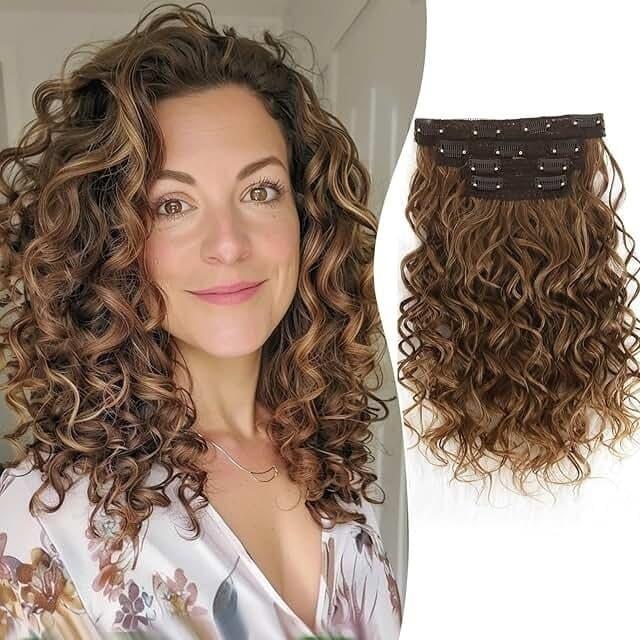
If you plan to integrate your own short hair with a pixie wig at the nape or sides, coordinate color and texture. Use thinning shears to create feathered transitions and secure with discreet pins or clips. A lace-front edge can be laid with medical-grade adhesive for undetectable seams; practice safe application and removal to protect skin and lace integrity.
Customization services worth considering
Some vendors offer pre-cut options, bespoke coloring, and custom cap sizes. If you value a perfect fit and refined silhouette, these services can transform a ready-made unit into a piece that complements your head shape and lifestyle. Custom vents and parting placement are small investments that dramatically increase realism in human hair pixie wigs.
Travel and climate considerations
Humidity, heat, and sun exposure influence maintenance. In humid climates, diffusion and light anti-frizz serums help maintain shape. When traveling, pack your wig in a structured case and carry a small product kit to refresh texture. Avoid prolonged sun exposure to prevent color fade; a soft hat or scarf protects fibers while outdoors.
Pro tips from stylists
- Start with a slightly longer pixie if you’re new to short styles—it's easier to shorten than lengthen.
- Use matte pastes or clays to sculpt short layers for day-to-night versatility.
- Consider scalp-colored powder along the part to enhance realism on thin-part wigs.
- Rotate between two units if you wear pixies daily to extend lifespan.
Quick reference: product matrix
Essentials include a sulfate-free shampoo, lightweight conditioner, heat protectant, micro-fiber towel, wig stand, detangler, and finish oil. For textured pixies, a low-hold texturizing spray and anti-frizz lotion are invaluable. Keep travel sizes at hand to support on-the-go touch-ups.
Styling timeline for typical looks
Polished pixie: wash, condition, blow-dry with a paddle or round brush, flat iron for sleek finish, apply serum. Messy textured pixie: mist with detangling spray, finger-style in mousse, scrunch or diffuse, finish with light hairspray. Short curly units: hydrate, define curls with cream, finger-shape, and diffuse on low heat.
Common myths debunked
Myth: pixies are high-maintenance. Reality: short styles can be lower maintenance with the right products and a consistent schedule. Myth: only lightweight wigs work for short looks. Reality: density and layering create different silhouettes appropriate for varied faces. Myth: human hair requires daily styling. Reality: refresh techniques and proper storage can reduce daily time investment.
Summary: deciding if a cropped human-hair piece is right for you
Choosing a short, natural-hair unit combines aesthetic versatility with authentic movement. If you seek longevity, multi-style options, and the potential for color/thermal services, human hair pixie wigs deliver unmatched realism and adaptability. Evaluate cap construction, vendor transparency, and available customization to maximize satisfaction.
Parting thoughts and next steps

Try virtual consultations, request sample swatches if available, and consider starting with a neutral color close to your skin tone or existing hair for easy blending. Keep a maintenance calendar, and budget for professional trims and conditioning treatments to preserve the shape and health of the piece.
FAQ
Wash roughly every 7-14 wears depending on product buildup and environmental exposure. Use gentle, sulfate-free formulations and cold water to protect fibers.
 Q2: Can I color a pixie wig at home?
Technically yes, but it’s recommended to use a stylist familiar with wig hair to avoid uneven results and minimize damage. Strand testing is essential.
Q3: How long do high-quality pixie wigs last?With careful care, a premium human hair pixie wigs unit can last several months to a few years; rotation and gentle styling extend lifespan.
Whether you’re a first-time buyer or an enthusiast refining a signature short look, this guide provides actionable steps to find, style, and maintain a cropped natural-hair piece that elevates both comfort and confidence while ensuring strong search relevance for the query focused on human hair pixie wigs.
Related products
Blog
- how wigs can transform your look — 10 expert tips for styling, care and choosing the perfect fit
- can you sleep in a wig without ruining it - 9 pro tips for comfortable overnight wear and easy wig care
- where's waldo wig Style Guide Top Picks and Clever Styling Tips for an Authentic Costume
- how to clean a lace wig safely and quickly plus pro care tips for longer wear
- can you wash synthetic wigs with regular shampoo - Expert step-by-step care tips to keep them soft and tangle-free
- does beth wear a wig in yellowstone - truth revealed about Beth Dutton's hair and on set styling
- what is lace front wigs explained — a practical guide to types, styling and care
- Pixie Cut Wig Makeovers and Natural Styling Tips for Short Hair Confidence