
how to style a bob wig for every face shape 9 easy techniques for natural volume

Smart guide to shaping a bob that flatters your face and delivers natural lift
If you've searched for how to style a bob wig and landed here, you're in the right place: this practical, SEO-focused guide breaks down pro techniques, step-by-step styling methods, and the nine easy approaches that deliver natural volume without looking artificial. Whether you're working with a straight, layered or textured bob, this resource will help you adapt each method to a different facial silhouette while keeping the look modern and effortless.
Why styling matters: the impact of shape, length and root lift
Every wig can be transformed by targeted styling choices. The key considerations are cut line, density at the crown, and the way the ends interact with jaw and neck lines. For search engines and readers, we emphasize the phrase how to style a bob wig throughout this guide, but always with context: technique, product, and face-shape adaptation. Use these pointers to ensure your bob wig looks like a natural haircut rather than a ready-made piece.
Quick checklist before you start
- Measure face proportions: identify forehead width, cheekbone prominence, jaw angle.
- Choose the right part: center, off-center, deep side—each changes perceived volume.
- Gather tools: wide-tooth comb, flat iron, round brush, blow dryer with nozzle, texturizing spray, lightweight mousse, dry shampoo, hairpins.
- Protect the wig base: use a wig stand and low heat settings where applicable.
How to select a bob length for your face shape
When styling a wig, length is as powerful as texture. Use these rules: shorter bobs accentuate angular jaws; chin-length blunts soften long faces; longer bobs (lob) help balance rounder faces. Use how to style a bob wig as a guiding phrase when bookmarking or tagging your personal styling notes.
Adapting a bob to common face shapes
Oval faces
Oval faces have the most flexibility. Aim for a balanced silhouette: a slightly layered bob with moderate root lift keeps movement without overpowering features.
Round faces
Add angles and asymmetry. A side part and longer front pieces create the illusion of length. Use vertical volume at the crown—avoid full roundness at the cheeks. Remember the query how to style a bob wig often targets readers with round faces seeking slimming effects.
Square faces
Soften jawlines with soft waves or inward-curving ends. Layering that reduces bulk near the jaw helps. A wispy fringe or subtle side-swept bangs are flattering.
Heart-shaped faces
Balance a wider forehead and narrow chin with side parting, chin grazing lengths, or face-framing layers.
Long faces
Create width: blunt ends, waves, and textured layers near the cheeks add horizontal emphasis.
Nine easy techniques for natural volume
Below are nine focused styling strategies that answer "how to style a bob wig" in practical steps. Each technique can be adapted by face shape and fiber type (synthetic vs human-hair wigs).
Root boost with low-heat blow-drying
Flip the wig upside down and use a round brush while applying low heat at the roots. Lift sections using the brush to direct airflow at the base. For synthetic wigs, use heat only on heat-friendly fibers and lowest recommended settings. Finish with a cool blast to set volume.
Strategic parting for optical volume
Changing the part is the simplest trick. A deep side part instantly increases lift on one side and adds a modern asymmetry. For how to style a bob wig searches, emphasize photos showing before-and-after part changes.
Compression and release
Gently press the wig at the crown with a towel or hands right after styling, then release. This collapses unnatural flatness and creates springy lift. Work in small sections for consistent texture.
Subtle backcombing at the base
Backcomb only the roots of the top layer, then smooth the outer layer with a soft brush or fingers so the teased section remains hidden. Use light-hold spray to secure but avoid crunchy stiffness.
Texturizing spray and light mousse
Apply a lightweight mousse at the roots before blow-drying to build body; finish with a salt spray for piecey movement. For synthetic wigs, choose products explicitly labeled for synthetics or water-based formulations.
Heat styling for movement
Create soft inward or outward bends with a flat iron or curling wand on appropriate settings. For natural volume, aim for bending at mid-lengths rather than polishing ends—this creates shadow and depth.
Layer illusion with long face-framing pieces
Add temporary piecey layers by trimming or tucking sections behind the ear. For non-permanent change, pin face-framing strands and blend them with styling tools to simulate layered cuts that lift the look.
Root padding with discreet inserts
Use thin foam pads under the wig cap at the crown to create a subtle lift without teasing. This technique suits photoshoots and long days when you prefer a base-level volume that doesn't deflate.
Air-dry texture for natural body
Towel-dry gently and scrunch with a light leave-in product; let the wig air-dry on a stand while occasionally reshaping the top. This low-heat approach often yields the most "human" volume for lightweight bobs.
Step-by-step routine for a polished everyday bob
Follow this sequence for a fast daily process: 1) place wig on stand, 2) mist with leave-in conditioning spray, 3) apply mousse at the roots, 4) blow-dry with round brush lifting sections, 5) set shapes with low heat and cool shot, 6) finish with light spray and fingers for separation. Keep repeating the primary phrase how to style a bob wig in your meta or alt text when posting images.
Tools and products that work best
- round brush (size depends on desired bend)
- lightweight mousse and strand-friendly texturizers
- low-heat styling iron for heat-friendly fibers
- dry shampoo to add instant root texture
- finishing spray with flexible hold
Common mistakes that flatten a bob
Avoid these pitfalls: overloading product at the roots, heavy conditioning near the scalp, skipping a proper part, and using high-heat settings on synthetic fibers. Each of these leads to limpness rather than lift.
Customizing techniques by specific face traits
Use these micro-adjustments: if you have a narrow forehead, add volume at the temples; if you have prominent cheekbones, keep volume slightly below the cheek to preserve balance. The keyword how to style a bob wig applies to each micro-adaptation—document which tactic works for your shape so you can replicate it.
Maintaining shape during wear and storage
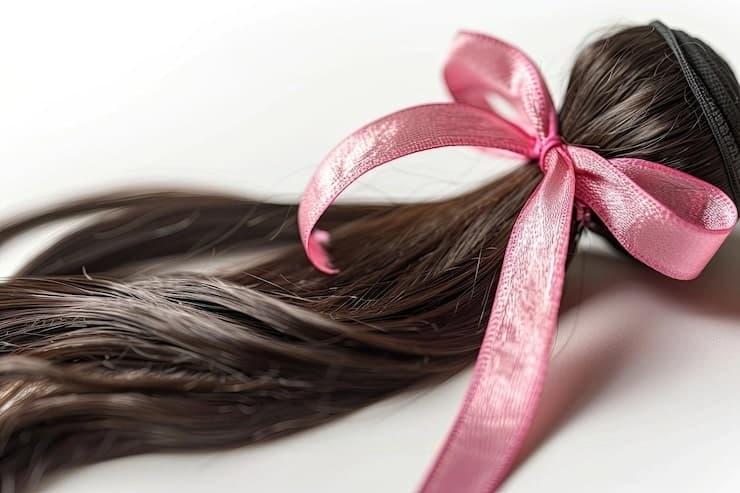
When not wearing your wig, store it on a stand and use a satin cover to protect shape. To revive volume mid-day, spritz water, re-shape with fingers, and apply a tiny amount of texturizer at the roots. For longer-term care, deep condition human-hair wigs sparingly.
Photography and online presentation tips (SEO-friendly)
When showcasing your results online, use descriptive alt text like "how to style a bob wig with side part for round face" to match search intent. Include closeups of the crown and before/after galleries to signal authenticity to users and search algorithms.
Pro tip: Small photos of the part change, a 3-second video of flipping the wig, and annotated steps encourage user engagement—this increases the page's value for queries about how to style a bob wig.
Advanced variations and quick transformations
For special occasions, transform a basic bob into a glam bob by adding soft curls in alternating directions, pinning one side for an asymmetrical look, or adding small hair accessories near the temple. These tricks increase perceived volume and sophistication.
When to visit a professional
If your wig requires cutting or structural layering for a long-term fit, consult a stylist experienced with wigs. A professional can thin or add internal wefts to optimize natural volume and weight distribution.
Checklist for an effective styling session
- confirm face shape and desired silhouette
- choose the right part and length
- use heat-safe techniques if fiber allows
- build volume at the root and control density at the ends
- photograph before and after for reference
Final notes on authenticity and longevity
Consistent, light maintenance is better than frequent heavy adjustments. Embrace small, repeatable actions that answer the search query how to style a bob wig with visual proof and practical steps. Over time, you'll compile a personalized routine that keeps the bob natural-looking, flattering, and full of life.
FAQ
Q1: Can I get natural volume on a synthetic bob?
A1: Yes—use low-heat or no-heat methods like mousse, texturizing spray, root lifting, and strategic parting. If the synthetic fiber is heat-friendly, use manufacturer-recommended low temperatures.
Q2: How often should I restyle to keep volume?
A2: Light daily reshaping with fingers and a quick mist is usually enough. Full styling sessions may be needed weekly depending on wear frequency.
Q3: Which part suits a square face?
A3: A deep side part with soft inward bends at the ends helps soften a square jaw. Avoid heavy blunt ends that accentuate the jawline.
This comprehensive guide is crafted to help you master how to style a bob wig across face types and contexts—use it as a living checklist, update photos and tags for SEO, and adapt the nine techniques to fit your daily routine.
Related products
Blog
- does dolly wear a wig finally answered with backstage photos and hairstylist insights
- how to fix a frizzy wig with 10 easy DIY steps to smooth detangle and revive synthetic or human hair
- How Long Do Lace Front Wigs Last Discover Real Lifespan Care and Cost-Saving Tips
- how to get glue off lace wig - 7 gentle methods to remove adhesive without damaging your lace or hairline
- how to wear a wig with a lace front step by step expert tips for a flawless natural look
- What Color Is a DR2-Choswi Wig - Quick Guide to Shades, Matching and Styling Tips
- Discover what are lace front wigs and how to choose, style and care for yours
- Your compassionate guide to where to purchase wigs for cancer patients - top affordable retailers, charity programs and fitting tips