
how to straighten wig with flat iron made easy step by step tips for smooth frizz-free results
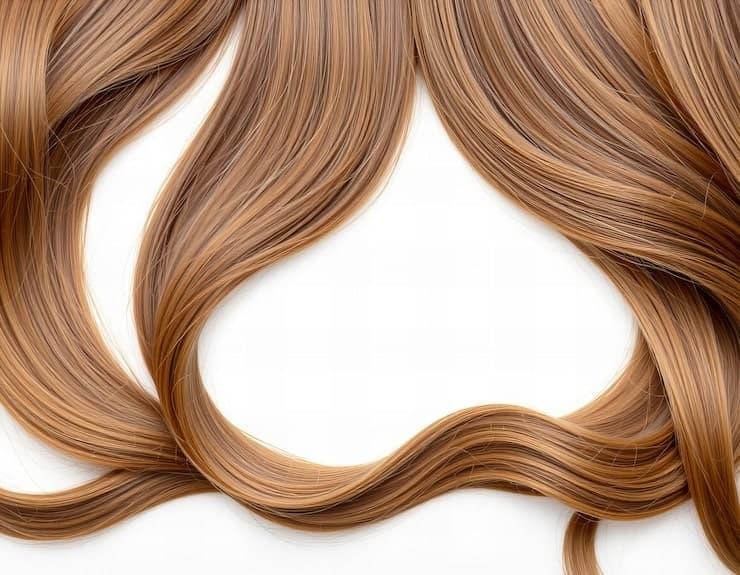
how to straighten wig with flat iron — professional guide for smooth, frizz-free results
If you've ever wondered about the safest, most effective way to transform a textured wig into a sleek, straight style, this comprehensive guide breaks down everything into clear, practical steps. Whether you work with a human-hair wig, a heat-resistant synthetic unit, or a lace-front piece, mastering how to straighten wig with flat iron requires the right tools, the right preparation, and the right technique. Below you'll find in-depth tips, step-by-step instructions, troubleshooting advice, maintenance strategies, and product suggestions all designed to help you achieve a long-lasting, smooth finish without causing damage.
Why a flat iron is often the best choice
Flat irons provide controlled heat and direct tension, which make them ideal for creating long-lasting straight results. Compared to blow-drying alone, a quality flat iron can reduce frizz, seal the hair cuticle, and give a polished look that stands up better to humidity — provided you use appropriate temperatures and protective products. Remember: the success of flattening hair depends not only on the tool but on technique, timing, and hair type.
Essential tools and products
- Quality flat iron with adjustable heat settings and ceramic, tourmaline, or titanium plates.
- Heat protectant spray specifically formulated for wigs or for sensitive lace—we'll discuss application below.
- Wide-tooth comb and fine-tooth rat-tail comb for detangling and precise sectioning.
- Clips (duckbill or alligator) to hold sections.
- Microfiber towel and wig stand or mannequin head for drying and styling.
- Lightweight serum or anti-frizz oil (silicone-based for shine and slip) to finish.
- Spray bottle of water or a thermal spritz for reactivating product when necessary.
- Optional: steam iron or professional pressing comb for specialized techniques.
Know your hair: human vs synthetic
Determining the wig's fiber type is step one. Real human hair behaves like natural hair: it tolerates higher heat, accepts chemical treatments, and responds well to professional styling methods. Many modern synthetic wigs are labeled "heat-resistant" and can handle moderate temperatures (usually up to 300°F/150°C), but some cheaper synthetics will melt or become permanently damaged if exposed to high heat.
For heat-friendly synthetic fibers, always test an inside strand before fully committing; for unlabeled units, assume low heat tolerance. When in doubt, opt for lower settings and more passes at a gentler pace to protect the fiber.
Temperature guide
- Human hair wigs: 300–410°F (150–210°C) depending on density and texture. Very coarse or heavily curled hair may need higher settings, but increase temperature gradually.
- Heat-resistant synthetic: 250–300°F (120–150°C). Start low and test frequently.
- Non-heat-resistant synthetic: do not use a flat iron. Use steam or specialized cold-straightening alternatives.
Pre-straightening preparation
Never begin straightening without proper prep. Preparation minimizes heat exposure and ensures even results.
1) Wash and condition the wig if it has product buildup, oils, or tangles. Use a sulfate-free, gentle shampoo and a smoothing conditioner. For human-hair wigs, consider a deep-conditioning mask once in a while to keep fibers healthy. Lightly towel-blot with a microfiber towel; never wring.
2) Air-dry the wig on a wig stand or mannequin head until completely dry. Using a blow dryer on high heat may be acceptable for human hair, but synthetic fibers should be air-dried to avoid warping.
3) Apply a heat protectant evenly over small sections. Use a spray or a light cream designed for wigs. Make sure the protectant is compatible with lace or adhesive areas to prevent residue or weakening of glue.
Sectioning and combing strategy
Divide the wig into small, manageable sections—about 1/2" to 1" wide depending on hair thickness. Smaller sections yield a sleeker result with fewer passes. Use a rat-tail comb to separate, and secure each section with an alligator clip. Always detangle from ends upward before applying heat to avoid hair breakage or snagging.
Step-by-step flat ironing technique
- Set the flat iron to the recommended temperature for the fiber type. Allow plates to reach the set temp fully.
- Comb the section immediately before clamping. A final comb-through helps the iron glide and ensures even tension.
- Clamp and glide: Place the flat iron about 1/2" from the roots (or slightly farther back for lace-front wigs to protect the hairline and lace adhesive). Glide steadily from root to tip in one smooth pass. Avoid lingering in one spot.
- One to two passes are usually enough for human hair. For synthetic heat-resistant fibers, multiple gentle passes at lower temps work better. If more passes are required, reset the comb and apply another thin layer of protectant.
- Finish ends separately: the ends are most fragile—finish with a very light touch and a lower temperature if necessary.
Advanced tips for a professional finish
Use a comb-in method: hold a fine-tooth comb just in front of the iron and slowly guide both through the hair together. This helps smooth cuticles and distributes tension evenly. For ultra-sleek results, finish with a very light mist of shine spray or a dab of silicone serum applied with fingers—never heavy oil that makes the wig greasy.
To avoid "flat iron lines" or creases, don't clamp too tightly. A light to medium pressure is sufficient. Plate width matters: wider plates (1.5" or larger) cover more area for longer wigs, while narrower plates offer control for short or layered styles.
Tackling frizz and flyaways

Frizz often results from humidity, damage, or incomplete sealing of the cuticle. Ensure the wig is thoroughly conditioned and use a humectant-free anti-frizz serum if humidity is a concern. For persistent flyaways at the hairline, use a toothbrush or a small toothbrush-style brush with a light gel or foam to smooth hairs gently; avoid pulling or heavy products that could flake under lights.
When to avoid flat ironing
Do not flat iron a wig that shows signs of significant damage (dry, brittle, or gummy strands), unless you can recondition it first. Also avoid flat ironing synthetic fibers not labeled as heat-safe — the risk of melting is real. If lace or adhesive is not heat-safe, keep the iron further from the hairline and protect the lace with a thin silk cloth if necessary.
Maintenance after straightening
To keep a newly straightened wig looking fresh longer: store it on a stand or mannequin to maintain shape, avoid sleeping in it, and use a silk or satin cap to minimize friction. Reapply a light heat protectant before any touch-up with the flat iron. If you will store the wig for a while, braid it loosely or fasten gently to prevent tangling while avoiding compressing the hair.
Cleaning and reconditioning tips
Wash your wig every 6–12 wears depending on product buildup. Use cool to lukewarm water and a gentle cleanser. Deep condition human-hair wigs monthly or as needed. For synthetic wigs, use products formulated specifically for synthetic fibers; traditional conditioners may cause limpness or residue. After washing, press out excess water with a microfiber towel and air-dry on a stand before restyling.
Common mistakes and how to avoid them
- Setting the temperature too high: Gradually increase the heat and test on a hidden strand.
- Skipping heat protectant: Always use a protective product to reduce cuticle damage and frizz.
- Working on wet or damp hair: Ensure the wig is completely dry to avoid steam damage and uneven straightening.
- Overusing heavy oils: They can weigh the hair down and attract dust or break down adhesives.
- Ignoring plate cleanliness: Residue on plates transfers to the wig and creates uneven heat. Clean plates per manufacturer instructions.
Troubleshooting: what if it doesn't turn out right?
If straightening results in stiffness, the flat iron setting may have been too high or product buildup could be interfering—wash and deep condition the hair, then try again at a lower heat. If the wig appears wavy again within a few hours, check humidity levels and the quality of the heat protectant. Reapply a light anti-humidity spray and touch up only necessary sections.
Special considerations for lace-front and glued wigs
Lace frontlines and glued edges are sensitive. When working near the lace or adhesive, keep the iron farther away and place a thin protective cloth (like silk) over the lace if you must get closer. Avoid direct, repeated heat contact on adhesive areas to prevent weakening the bond. If you use liquid glue or tape, allow sufficient cure time before applying heat around the hairline.
Tips for maintaining color-treated wigs
Color-treated human hair wigs require extra care. Use color-safe, sulfate-free products and limit heat exposure. When flat ironing color-treated hair, use the lowest effective temperature and always apply a color-safe heat protectant. To preserve tonality, avoid chlorine and prolonged sun exposure; consider UV-protectant sprays formulated for hair.
Eco-friendly and low-heat alternatives
If you prefer to minimize heat use, consider methods like tension styling with a round brush and blow dryer on low heat, or steam-based straightening tools that use moisture and pressure instead of direct high heat. Some professional steam presses can achieve sleekness with reduced risk of burning or melting synthetic fibers.
Professional services vs DIY
If you are uncertain or working with an expensive custom wig, a professional stylist experienced with wigs can offer damage-controlled straightening and advice tailored to the specific unit. Professionals may have advanced tools (like professional-grade ceramic/titanium irons or steam presses) and salon-grade products that yield superior longevity.
Checklist before you start
- Confirm fiber type (human vs heat-resistant synthetic).
- Gather tools: flat iron, combs, clips, protectant, finishing serum.
- Wash and dry the wig if needed; detangle completely.
- Section the hair and set appropriate temperature.
- Perform a strand test behind the ear or inside section.
- Proceed with patient, even passes rather than rushing.
Quick pro tips
- For stubborn waves, warm the hair slowly and allow a few seconds under tension rather than cranking up heat.
- Use silk-lined storage bags to preserve straight styles longer.
- Rotate between different styling modes — sometimes reconditioning and letting the wig rest helps restore fiber health.
- Document the settings that work best for each wig so future touch-ups are faster and safer.
Summary
Understanding how to straighten wig with flat iron is a mix of art and science: choose the right temperature, protect the fibers, section carefully, and use steady, confident passes. With practice you can achieve salon-quality, frizz-free straight styles while minimizing wear on the wig. Keep a maintenance routine and avoid shortcuts that compromise the wig’s lifespan.
Recommended products and tools
Choose a flat iron with reliable temperature control and smooth plates—ceramic or tourmaline are excellent for even heat distribution. For protectants, look for silicone-infused heat protectants or lightweight serums for human hair; for synthetics, use specifically labeled thermal protectors. Keep a clarifying shampoo on hand for periodic deep cleans to remove styling product buildup.
Troubleshooting quick guide
- Wig looks brittle after styling: Deep condition; lower heat next time.
- Flat iron leaves lines: Use a lighter clamp pressure and a comb-in method.
- Frizz returns quickly: Use anti-humidity products and ensure a proper heat protectant was applied.
- Synthetic melted or warped: That's irreversible—prevent by testing a hidden strand before full styling.
Practical routine for frequent stylers
If you straighten wigs often, rotate units and give each wig time to rest between heat sessions. Apply conditioning treatments monthly, and store wigs properly. Keep plates clean and calibrate tools occasionally to ensure accurate temperatures.
Styling variations once straightened
Straightened wigs are a versatile base: you can tuck ends for a blunt finish, add soft waves with a curling iron for body, or polish with flat iron curls for movement. Just ensure any additional heat styling follows the same protective measures.
Final safety reminders
Avoid direct, repeated heat contact on lace, adhesive, or delicate wefts. Keep irons away from skin, glue, and synthetic lace where heat can warp or melt materials. Always unplug and cool down tools safely when finished.
Did you get consistent results?
If your first attempts are uneven, remain patient—small adjustments to section size, heat, or technique usually solve the issue. Practice on a less visible section or a cheaper wig first to refine your method before moving to a prized unit.
FAQ
Q: Can I use my regular hair flat iron on a wig?
A: Yes, you can use a regular flat iron if it has accurate temperature controls. Use lower settings for synthetic or color-treated fibers, and always test an inconspicuous strand first. Human-hair wigs tolerate higher temps but should still benefit from a heat protectant.
Q: How often can I safely straighten a wig?
A: Frequency depends on the fiber and care. For human-hair wigs, limit intense heat styling to avoid cumulative damage—every few wears is safer than daily. For heat-resistant synthetics, minimize passes and heat levels; whenever possible, use low-heat or non-heat alternatives.
Q: My wig frizzes after humid weather — what helps?
A: Use anti-humidity finishing sprays and seal the cuticle with light serums. Avoid heavy oils that attract moisture; instead opt for silicone-based finishes designed to repel humidity and add shine.
Q: Is there a way to repair heat-damaged synthetic fibers?
A: Heat-damaged synthetic fibers are often permanently altered. Mild cases can be softened with a deep conditioning soak designed for synthetics, but severe melting or hardening generally cannot be reversed. Prevention and testing are essential.
Related products
Blog
- Honest 2025 Guide to a list wig reviews with Top Picks Pros and Cons for Every Budget
- Smart unice wig Buying and Styling Guide 2025 for a Natural Flawless Look
- can a synthetic wig be dyed - myths, pro tips and step-by-step coloring methods for natural-looking results
- does raj wear a wig A deep dive into on-screen clues, stylist insights and fan theories
- Explained - why did the menendez brother have a wig and what courtroom photos and testimony suggest
- can you curl a wig safely Tips, tools and step by step techniques for human and synthetic wigs
- pixie wigs trend guide 2025 how to choose, style and care for modern pixie looks
- merkin pubic wig buying and styling tips for theater cosplay historical reenactment and everyday confidence