
how to remove shine from wig - Simple DIY Tips and Pro Techniques for a Natural Matte Look
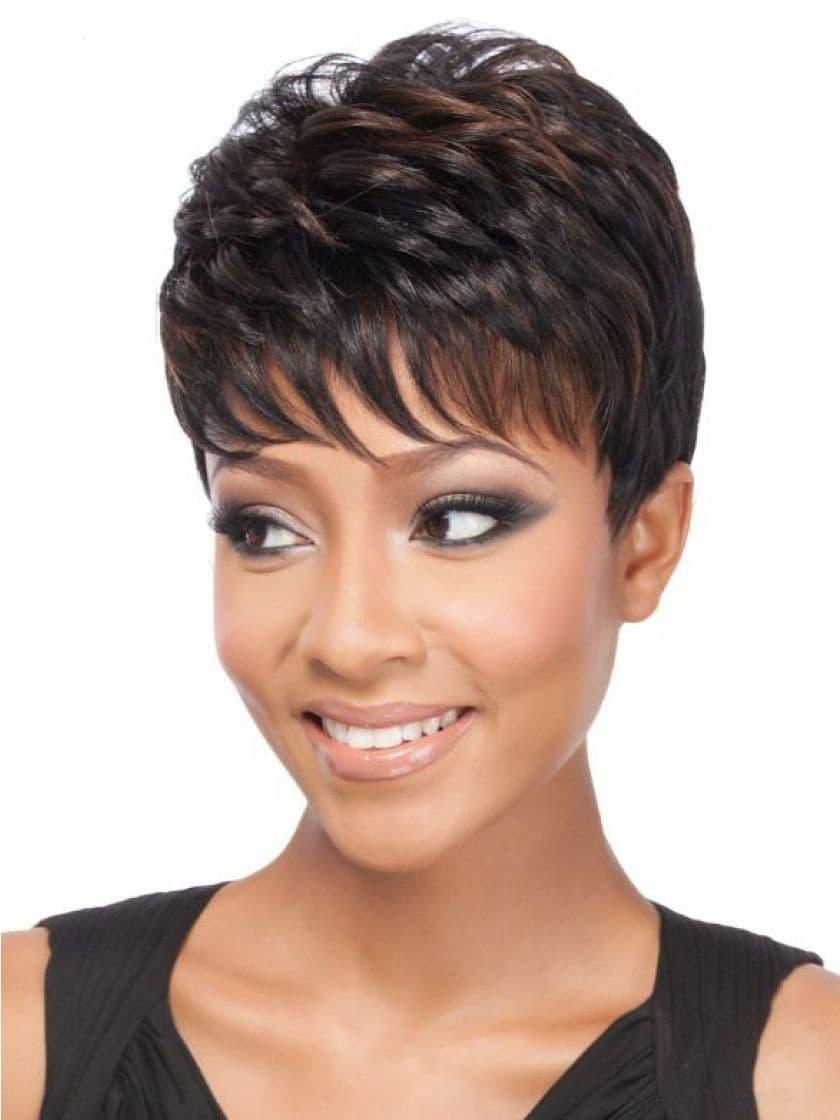
how to remove shine from wig — practical steps for a natural matte finish
If you're wondering how to remove shine from wig fibers without damaging texture or color, you're not alone. Shiny wig caps and glossy synthetic strands can look artificial under bright lights and in photos, but with the right approach you can transform a reflective wig into a flattering, realistic, matte hairstyle. This comprehensive guide explains safe DIY tactics, pro techniques, product recommendations, and prevention tips so you can achieve a natural low-sheen look that lasts.
Why wigs sometimes look too shiny
Understanding the cause helps you choose the best fix. Shining can be caused by:
- synthetic fiber composition — many fibers are designed to mimic healthy hair using high-luster polymers;
- manufacturing finish — some wigs are treated with sheen-enhancers;
- residue — oils, silicones, and styling products on the hair or cap can intensify gloss;
- wear patterns — friction and compression may flatten cuticles and create reflective surfaces;
- lighting and photography — certain lighting highlights glossy surfaces more than natural hair.
Important safety principles before you begin
Safety first: always perform a small patch test on an inconspicuous area of the wig to ensure any product or method won't cause discoloration, tangling, stiffness, or fiber damage. Follow manufacturer's recommendations if available. For high-value human hair wigs, consider consulting a stylist or using gentler professional services. how to remove shine from wig effectively while protecting fiber integrity is about balance — reduce sheen without sacrificing softness or movement.
Tools and supplies you'll commonly need
Stocking up on a few inexpensive items will make most methods easier and safer:
- wide-tooth comb and wig brush designed for the fiber type;
- clean spray bottle with distilled water;
- baby powder, dry shampoo designed for dark hair and synthetic wigs, or cornstarch;
- alcohol-free leave-in conditioner (for human hair wigs);
- dry shampoo (for synthetic or human hair variants) and a powder brush;
- matte-finish styling powders and texturizing sprays;
- soft microfiber towels and a wig stand or mannequin head;
- flat iron or curling iron only if the wig is heat resistant — use low heat;
- professional matte sprays or anti-gloss products for wigs.
Top DIY methods to remove excess gloss (synthetic wigs)
Note: synthetic fibers respond differently than human hair. Many DIY fixes are geared specifically to synthetic materials. Here are step-by-step options to consider, ordered from least to more intrusive.
1. Baby powder or cornstarch — simple surface mattifier
The classic kitchen-to-vanity trick: use a lightweight powder to absorb surface shine. Lightly dust a small amount onto a powder brush or clean makeup brush and sweep across the wig's surface. Work in thin layers, tap off excess powder, and comb gently with a wide-tooth comb to distribute. This method is especially effective for photos and short-term wear. Avoid overapplying — too much powder can dull color or leave a residue. Repeat until you reach the desired matte level. Use how to remove shine from wig as your search target to locate specific powders optimized for wigs.
2. Dry shampoo designed for dark hair or synthetic fibers
Dry shampoos formulated for darker tones minimize visible white residue. Hold the can at a distance and spray lightly, focusing on shiny zones like the crown and part line. Allow it to sit a minute, then gently brush through. Dry shampoo absorbs oils and reduces sheen, making it a quick salon-less fix. Patch test first to confirm no color change or residue clumping.
3. Rubbing alcohol (sparingly) to reduce silicone gloss
Silicone-based serums create gloss and can be diluted or removed with isopropyl alcohol. Use a 70% isopropyl alcohol solution applied with a cotton pad and wipe lightly over a small area. Do not saturate the fiber; excessive alcohol can dry and stiffen synthetic wigs. Follow up with a tiny spritz of water to rehydrate if needed and comb gently. This method is more abrasive and should only be used if powders and shampoos are insufficient.
4. Matte-finish hairspray or powder sprays
Specialized matte sprays exist for wigs and hair extensions. Apply in short bursts from a distance and work in small sections. These sprays often contain ingredients that create a fine matte film and reduce reflectivity while preserving movement. They can be safer long-term than repeated alcohol use.
Techniques for human hair wigs
Human hair behaves like natural hair but still may have clinical sheen from finishing treatments or heavy silicones. Because the fiber is more valuable and responsive to heat and chemicals, use gentle interventions.
1. Clarifying wash for buildup
Mix a clarifying shampoo with warm water and wash the wig cap and strands carefully. Clarifying removes heavy product residue that causes shine. Rinse thoroughly and follow with a lightweight conditioner applied only to the mid-lengths and ends. Avoid heavy conditioners on the crown and part area where sheen is most noticeable. Dry on a wig stand away from heat or direct sunlight.
2. Blotting with micellar water
Micellar water on a cotton pad can lift silicone residue gently. Dab — don't rub — and check frequently. This is an excellent controlled way to reduce reflective finish without altering hair color or texture.
3. Professional matte products and texturizers
Serious users invest in pro-grade matte sprays and fiber-specific texturizers that offer a lasting natural finish. These products are formulated to bond without stiffness, and they often include UV filters to protect from sun bleaching.
Advanced salon-style approaches
If DIY doesn't achieve the desired result, consider advanced techniques typically offered by wig specialists.
- semi-permanent matte coating: a low-viscosity salon treatment sprayed and cured to reduce surface reflection;
- custom dyeing: toners and dyes can subdue shine while refining color depth; performed by professionals to avoid unevenness;
- re-knotting or ventilation: adjusting the cap or part can change how light interacts with the scalp area; a lace front or monofilament top often appears more natural and less glossy;
- cutting and layering: texture reduces surface catch, so a stylist can shape the wig to break up glossy planes and add motion.
Step-by-step matte makeover routine (recommended order)
Use this workflow for predictable results:
- place the wig on a stand and secure;
- clean any product buildup with a clarifying wash (human hair) or gentle detergent for synthetics;
- dry completely on a wig head;
- apply a test area of your chosen mattifying agent (powder, dry shampoo, matte spray);
- comb through with a wide-tooth comb and assess sheen under natural light;
- repeat light applications rather than one heavy coat — layering produces smooth control;
- finish with a light anti-frizz spray or very low-hold hairspray if needed for humidity resistance.
Tips for blending the hairline and part
The scalp and part often reveal shine most prominently. To address this, use a soft matte powder designed for wigs or a tiny amount of translucent setting powder on a Q-tip to reduce glare along the part line. For lace fronts, a matte foundation or powder matching your scalp tone can minimize reflection. Strategic use of baby powder or dry shampoo right at the root will visually recreate the subtle light absorption you see in natural hair.
Product recommendations and what to avoid
What to use: professional matte sprays, powder-based texturizers, dry shampoos for colored hair, talc-free cosmetic powders, micellar water, mild clarifying shampoos, and wig-specific maintenance kits. What to avoid: heavy oil-based serums, alcohol-heavy products applied indiscriminately to synthetics, and household cleaners — these can ruin fiber integrity and shorten wig lifespan. Remember: when targeting how to remove shine from wig, choose products clearly labeled safe for your wig type (synthetic vs human hair).
Maintenance and prevention strategies
Preventing shine is easier than repeatedly correcting it. Follow these habits:
- store wigs on stands to avoid compression and flattening of fibers;
- rotate wigs to reduce wear in high-friction areas;
- avoid sleeping in wigs whenever possible to prevent oil transfer from skin;
- use light, water-based stylers instead of heavy serums;
- clean wigs regularly to prevent buildup of sweat, oils, and styling product;
- wear a wig cap to reduce direct scalp oil contact.
Common mistakes and troubleshooting
Common pitfalls include over-application of powder leading to dusty appearance, using rubbing alcohol too frequently causing brittle fibers, and failing to patch-test causing unexpected color shifts. If the wig becomes stiff after treatment, a deep conditioning wash (human hair) or a carefully limited detangling treatment (synthetic) can help restore softness. For permanent-looking shine after many fixes, consult a wig technician for professional reconditioning or fiber replacement.
How often should you mattify a wig?
There's no universal schedule — it depends on wear frequency, styling products used, and environmental exposure. Many users find light dusting with powder or dry shampoo before each wear keeps sheen under control, while deeper cleans and professional treatments may be needed monthly or as wear indicates.
Checklist before going out: quick matte touch-up
For a fast on-the-go fix:
- use a compact dry shampoo or blotting powder;
- pat with a powder puff or large eyeshadow brush;
- comb lightly to distribute;
- avoid touching the crown excessively to prevent oils from returning.
Quick reminder: Always keep the keyword focus in mind — when researching additional products or tutorials, search for how to remove shine from wig and add your specific fiber type to the query (synthetic or human) for tailored advice.
When to seek professional help
Persistent shine, visible damage, or premium wigs deserve professional attention. Licensed wig stylists can apply salon-grade matte finishes, replace lace fronts, or recommend custom solutions that preserve the investment. If your attempts cause stiffness, tangling, or discoloration, stop and seek a pro to avoid further damage.
Visual examples and experiment log
For best long-term results, keep a log of methods you try: record product names, quantities used, time applied, and lighting conditions when evaluating results. This allows reproducibility and helps you refine your approach to consistently achieve a natural matte finish.
Summary: key takeaways
how to remove shine from wig successfully involves identifying the cause, selecting a fiber-safe method, testing on an inconspicuous area, applying light layers rather than heavy coats, and maintaining the wig to prevent recurrence. With powders, dry shampoos, matte sprays, or professional treatments you can achieve realistic low-sheen results that photograph well and look natural in everyday life.
Final note: patience and incremental adjustments win. Start mild, reassess, and proceed until the gloss disappears but the softness and movement remain.
FAQ
Q1: Can I use baby powder on dark wigs without leaving white residue?
A1: Yes, but use sparingly and brush thoroughly. Consider talc-free cosmetic powders or dry shampoos formulated for dark hair to minimize visible residue. A powder brush distributes product more evenly than direct sprinkling.
Q4: Will mattifying products damage a human hair wig?
A4: Gentle, salon-grade matte sprays and light dry shampoos are safe if used as directed. Avoid heavy solvents and perform patch tests. If in doubt, consult a professional wig stylist to choose a product compatible with human hair fibers.
Q5: How long does a matte treatment last?
A5: Duration varies by product and exposure to humidity, oils, and friction. Temporary solutions like powder or dry shampoo may last a day, while professional matte coatings can last several weeks to months depending on care.
Related products
Blog
- What Wigs Reveal About Your Style A Practical Guide to Types, Care, and Smart Buying Tips
- why do hasidic women wear wigs Exploring the Religious Roots, Modesty Laws and Modern Practices
- why do lawyers wear wigs in uk explained - origins, symbolism and the modern courtroom debate
- Does Goodwill Take Wigs — A Practical Guide to Donating Wigs and What to Expect
- does president macron's wife wear a wig - photos, expert analysis and the surprising truth about Brigitte Macron's hair
- wig outlet store 2025 buying guide Discover top styles tips for natural looking wigs and the best deals
- how to curl a cheap wig at home step-by-step heat and heatless techniques for natural long-lasting curls
- do british barristers still wear wigs - how tradition survives and what recent reforms mean