
how to put on a glueless wig for beginners - easy step by step guide with pro styling tips
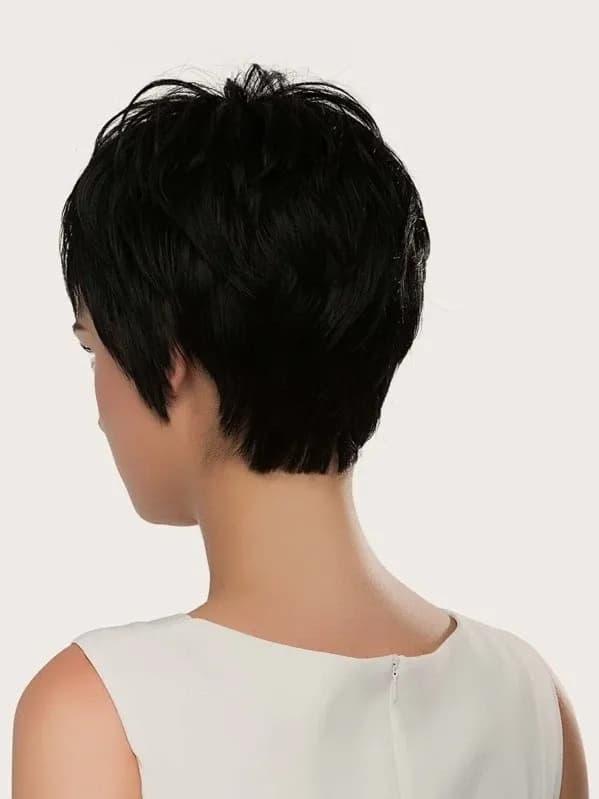
Beginner-Friendly Guide: Step-by-Step on how to put on a glueless wig for beginners
If you're new to wigs and searching for a simple, practical walkthrough on how to put on a glueless wig for beginners, this comprehensive guide will walk you through every stage — from prep and cap selection to styling and long-term care. Whether you want a natural look for daily wear or a quick glam session, these steps are designed to be easy to follow and optimized to help your pages rank for the targeted phrase while delivering real value to readers.
Why choose a glueless wig?
Glueless wigs eliminate the need for adhesive, cutting down time and the risk of skin irritation. They rely on adjustable straps, combs, elastic bands, and the right base preparation to stay secure. This makes them especially appealing for beginners, sensitive scalps, and those who switch styles frequently.
Essential tools and products you'll need
- Wig cap: breathable, close-fitting, usually nylon or mesh
- Wig stand or mannequin head: for styling and detangling
- Wide-tooth comb and paddle brush: to minimize shedding
- Bobby pins/combs: extra grip inside the wig
- Elastic band or wig grip: to secure the wig without glue
- Scissors: for trimming lace if you're using a lace front
- Heat tools/flat iron or curling iron: if your wig is heat-friendly
- Edge control or gel: for natural hairline blending
- Setting spray or light hairspray: to lock style
Preparation: Base and hairline setup
Preparation is the foundation of an effortless application. Start by smoothing your natural hair into a flat, neat base. For short hair, braid or flat-tuck; for shoulder-length hair, create small cornrows or a low bun and then pin. Fit a wig cap over your hairline to create a uniform surface. Make sure to select a cap color that matches your scalp for a more realistic part and hairline.
Tips for different hair lengths and textures
Long hair: braid into two or more flat braids and wrap around the head, then put on a nylon cap to keep bulk controlled.
Thick or curly hair: use multiple cornrows and a strong, breathable cap.
Short hair/bald: a single cap may be enough; add a wig grip for extra slip-resistance.
Step-by-step application process
- Adjust internal straps and combs: Before placing the wig on your head, open it up and locate the adjustable straps at the nape and any internal combs. Loosen or tighten until the wig feels comfortable on the mannequin or in your hands.
- Place the wig at your forehead: Hold the wig at the ear tabs, align the front of the wig slightly forward of your natural hairline, then slide it back slowly until it sits securely. This method helps you center the wig and ensure the hairline lies naturally.
- Secure with combs and bobby pins: Insert the internal combs at the front and nape if available, and use bobby pins at the sides and back to secure the wig to your natural hair. For additional stability, cross pins in an X pattern near the ear tabs.
- Apply an elastic band or wig grip: Attach an elastic band inside the wig from ear to ear across the nape, and fasten snugly but not too tight. This creates pressure that keeps the wig in place without glue. If you prefer, use a non-slip wig grip band over the cap first, then place the wig on top.
- Customize the hairline: If you have a lace front, trim the lace carefully along the natural line without cutting too much. Use edge control or gel to flatten baby hairs or natural edges and blend into the wig’s hairline. A light layer of concealer along the part will create the illusion of scalp and improve realism.
- Style and blend: After the wig is secure, adjust the parting, brush gently, and style with heat tools if the hair allows. For a more natural look, create soft baby hairs and slightly raise the roots at the crown for volume.
Common mistakes beginners make and how to avoid them
Beginners often experience lift at the temples, visible lace edges, or discomfort from incorrect strap tension. To avoid these:
- Don't overtighten straps — this causes headaches; aim for snugness, not pressure.
- Trim lace gradually; always leave a small margin to avoid cutting too close to the hairline.
- Use a color-matched cap and a tiny amount of concealer for the part rather than heavy makeup.
- Test movement — after securing, shake your head gently to ensure the wig stays put; re-adjust pins if needed.
Quick troubleshooting
If the wig feels loose after a few hours, add an inner elastic or use removable silicone wig tape at key grip points. If the lace is visible, soften it with a light application of lace tint spray or a thin layer of foundation that matches your skin tone. For itching or irritation, try a breathable cap and look for wigs labeled breathable or made from human hair.
Styling tips for a natural finish
For believable results, blend the wig with your natural features. Slightly pluck the part for depth, use a tiny amount of powder to mimic scalp, and texture the ends with light layers. Layering gives movement and reduces the "wiggy" look. If you're using synthetic wigs, always check heat settings before styling; human-hair wigs can be treated like natural hair but require hydrating products.
How to make a glueless wig last longer
Rotate between wigs to reduce wear, detangle before and after each use, and wash sparingly with sulfate-free products. Always let the wig air dry on a stand and store it in a cool, dry place. Nighttime: use a silk or satin bonnet to reduce friction, or remove the wig and store it safely if it's a daily rotation.
Advanced pro tips
For a high-end finish, create a small, flexible elastic band inside the perimeter of the wig to mimic a custom-fitted cap. Sew in additional wig combs at the temples to prevent shift during high activity. Use a dry shampoo between washes to remove oils and maintain volume. If your wig has lace, consider tinting the lace for your skin tone for the most natural hairline.
Maintenance schedule
Weekly: detangle gently and spot-clean roots as needed.
Monthly: deep condition (if human hair), reshape or restyle as preferred.
Seasonal: check the interior construction and repair loose wefts or tabs.
Choosing the right wig for a glueless fit
Cap size and construction matter. Measure your head circumference and choose a cap that matches. Lace-front wigs with adjustable bands and side combs are ideal for glueless wear. Look for “glueless” or “adjustable strap” in product descriptions, and read reviews to verify real-world fit and comfort.
Safety and scalp care
Never leave adhesives on the skin for extended periods. With glueless methods, keep scalp clean and moisturized; use non-comedogenic oils or serums sparingly to avoid transfer onto the wig base. If you experience persistent irritation, consult a dermatologist.
Real-world application timeline
- Prep: 5–10 minutes (braids or bun, cap).
- Adjustment and placement: 3–7 minutes.
- Customization (trimming lace, creating baby hairs): 10–20 minutes.
- Styling: 5–30 minutes depending on complexity.
Altogether, a beginner can expect a full first-time application to take 25–60 minutes; with practice, time reduces significantly.
Summary and checklist
To recap the essentials for how to put on a glueless wig for beginners: prepare a smooth base, use a fitted cap, adjust straps and combs, secure with an elastic or grip, trim and blend the hairline, and finish with light styling. Keep products minimal and protect the wig with proper storage. Use the following quick checklist before you step out:
- Cap and hair flattened
- Wig straps adjusted
- Combs anchored
- Elastic band or wig grip attached
- Lace trimmed and blended
- Final styling executed
Extra resources and learning
Practice makes perfect. Watch step-by-step video tutorials that focus on glueless application, read community reviews to find the best-fitting wig brands, and experiment with styling techniques on a mannequin head to build confidence. Join forums or social media groups where users share before-and-after photos and product recommendations tailored to beginners.
Final thoughts
Mastering how to put on a glueless wig for beginners takes patience and practice, but once you’ve learned the core steps, you’ll enjoy quick, comfortable, and realistic results. This approach is ideal for everyday convenience and protects the health of your scalp while offering flexible styling options.
FAQ
Q1: Can I exercise while wearing a glueless wig?
A1: Yes, but make sure to secure the wig with internal combs and an elastic band or wig grip. For high-intensity workouts, consider an additional non-slip strip or remove the wig during very vigorous activities to prevent sweat damage.
Q2: How often should I wash a glueless wig?
A2: Wash human-hair wigs every 8–12 wears and synthetic wigs every 10–15 wears, depending on product buildup and activity level. Use gentle products and always air dry on a stand.
Q3: Will a glueless wig look natural?
A3: Absolutely—when you prepare the base correctly, trim lace cautiously, use minimal concealer on the part, and add soft baby hairs, a glueless wig can look indistinguishable from natural hair.
Related products
Blog
- did burt reynolds wear a wig - Separating Fact from Hollywood Myth with Photos and Expert Insight
- Exploring why do judges wear wigs and the surprising syphilis myths behind courtroom tradition
- How to Thin Out a Synthetic Wig - Step-by-Step DIY and Salon Techniques for Natural Volume
- wiggy wigs Buying Guide 2025 Top Styles Care Tips and Best Places to Shop
- Expert guide on how to wear a wig without a wig cap for a natural look and secure all day fit
- Top 10 Tips to Choose, Style and Care for a white wig for Effortless Chic
- Top Wig for Sale Online Today – Natural Human Hair and Synthetic Styles at Affordable Prices
- can you style a wig with confidence — simple step by step techniques for natural results