
how to condition a synthetic wig at home for lasting softness and natural shine

Easy Guide: Caring for Synthetic Hair to Restore Softness
If you're looking to learn how to condition a synthetic wig at home and keep it feeling plush and looking natural, this comprehensive resource is designed for you. Synthetic hair requires different care than human hair, and with the right routine you can maintain lasting softness, vibrant texture and a natural shine without risking fiber damage. Below you'll find clear reasons for conditioning, safe ingredients and products, a step-by-step process, advanced tips, troubleshooting and storage guidance — all optimized for clarity and search relevance around how to condition a synthetic wig.
Why Conditioning Matters for Synthetic Fibers
Synthetic wigs are made from man-made fibers like kanekalon and toyokalon that don't absorb oils the way natural hair does. Over time, friction, styling, environmental exposure and product buildup can make the strands dry, coarse and dull. Conditioning restores slip (the smoothness between fibers), reduces tangling and helps individual fibers lie more naturally so the wig reflects light more like human hair, producing that desirable natural shine.
Key Benefits of Proper Conditioning
- Softness: Reduced friction and a silkier hand feel.
- Manageability: Easier detangling and styling.
- Longevity: Less breakage and fiber roughness extends the wig's life.
- Natural appearance: Improved light reflection and reduced frizz.
What to Avoid
Not all conditioners are safe for synthetic wigs. Avoid: hot water, strong alcohol-based sprays, heavy oils that sit on fibers, and human-hair deep treatments formulated to penetrate cuticles (synthetic fibers don't need cuticle-penetrating agents). Also avoid brushing when the wig is soaked; mechanical stress can stretch and distort fiber structure.
Gentle Ingredients and Products That Work
Look for light, water-based wig conditioners labeled for synthetic fiber or products that advertise conditioning for wigs. Household alternatives include diluted fabric softener or a tiny amount of baby shampoo mixed with a conditioner designed for synthetic wigs. Specialty options: leave-in synthetic wig sprays, silicone-based serums formulated for synthetics, and detangling sprays that are non-greasy. Always perform a small patch test on an inner section of the wig to ensure no unwanted buildup or color change.
Step-by-Step: How to Condition a Synthetic Wig at Home
- Prepare the space: Use a clean sink or basin and place a soft towel beneath to catch drips. Fill with cool or lukewarm water — never hot. Hot water can melt or warp synthetic fibers.
- Detangle first: Before wetting, gently remove knots and tangles using a wide-tooth comb or wig brush working from the ends upward. This minimizes stress on wet fibers.
- Pre-wash (if needed): If the wig is visibly dirty or has product buildup, use a mild wig shampoo diluted in the basin and gently swish the wig for 30–60 seconds — avoid rubbing or twisting.
- Rinse thoroughly: Rinse with cool water until the water runs clear. This prevents trapped shampoo residues that can dull fibers.
- Apply conditioner: Prepare a bowl of cool water with a small amount of synthetic-wig conditioner or dilute fabric softener at a ratio of roughly 1 teaspoon per cup of water. Submerge the wig and gently press the solution through the hair without rubbing. Let the wig soak for 5–10 minutes so the fibers can relax and absorb slip.
- Comb while conditioned: With the wig still submerged, gently detangle once again from ends to roots using a wide-tooth comb. The conditioner will provide slip making this step safer and more effective.
- Final rinse (optional): For a lighter finish, you can do a gentle rinse with cool water to remove excess conditioner. For longer-lasting softness, perform a light squeeze to remove excess water without over-rinsing; some leave-in formulations are intended to remain.
- Blot and shape: Use a microfiber towel to blot out water — do not wring or twist. Place the wig on a wig stand and reshape the part and crown.
- Air dry: Allow the wig to dry naturally on the stand away from direct sunlight and heat sources. Synthetic fibers can be heat-sensitive; only use heat if the wig is labeled as heat-friendly and then follow low-temperature guidelines.
- Finish with leave-in spray or serum: Once dry, apply a dedicated synthetic wig leave-in spray or a minuscule amount of silicone-based serum to the ends to lock in softness and enhance shine. Spray lightly and work through with your fingers for even distribution.
DIY Conditioner Recipes for Synthetic Wigs
For those who prefer homemade solutions, try these gentle mixes—always spot-test first:
- Fabric-softener rinse: 1 teaspoon of mild fabric softener per cup of cool water. Soak 5–10 minutes, rinse lightly if desired.
- Baby-shampoo plus conditioner: 1 cup water + 1 tsp baby shampoo + 1 tsp silicone-free conditioner for synthetics. Use mainly as a detangler soak.
- White vinegar rinse (clarifying): 1 tbsp white vinegar per cup of water to remove residue — follow with a mild conditioning soak to restore slip.
Best Practices for Brushing and Styling After Conditioning
When styling a conditioned synthetic wig, always use tools meant for wigs: a wide-tooth comb, a slicker brush for synthetic fibers or a specialized wig brush. Start at the ends and work upward to the root. If your wig is heat-friendly, use the lowest effective heat and a heat protectant labeled for synthetic fibers. Avoid frequent use of heated tools to prolong fiber life and maintain the conditioned softness.
Scheduling Your Conditioning Routine
How often you condition depends on wear frequency, climate, and product use. For regular wear (2–3 times weekly), a light conditioning soak every 6–8 wears is typical. Heavily styled or daily-worn wigs may benefit from conditioning every 3–4 wears. Less frequent wear can mean conditioning once every 10–15 wears. Monitor texture and manageability: if the wig starts to feel coarse or tangly, it's time for another conditioning treatment.
Troubleshooting Common Issues
Residue buildup: If the wig feels heavy or sticky after conditioning, you've used too much product or a non-compatible conditioner. Perform a clarifying wash using diluted shampoo and a vinegar rinse if necessary.
Loss of volume: Heavy serums or over-conditioning can weigh fibers down. Use lighter leave-in sprays and focus conditioner on mid-lengths to ends, avoiding the roots.
Matting at the nape: This often results from friction. Use a detangling spray, gentle combing, and protective styles when wearing the wig for long periods.
Pro tip: Store wigs on a stand or in a breathable bag to prevent floor friction which leads to tangling and loss of softness.
Storage and Long-Term Care
Proper storage prevents tangles and preserves the conditioned feel. Keep wigs on stands in a cool, dry place out of direct sunlight. When traveling, use a wig case or breathable fabric bag and stuff the cap with tissue to keep shape. For extended storage, lightly mist with a leave-in conditioner and cover with a loose breathable cap.
When to Seek Professional Help
If a wig has severe tangling, melted fibers from heat, or persistent odor that home care can't remove, consult a professional wig stylist or the manufacturer. They can offer deep-cleaning services or advise on repairs and restoration that are safe for the specific fiber type.
SEO-Focused Reminders (for web publishing)
When publishing a how-to article about how to condition a synthetic wig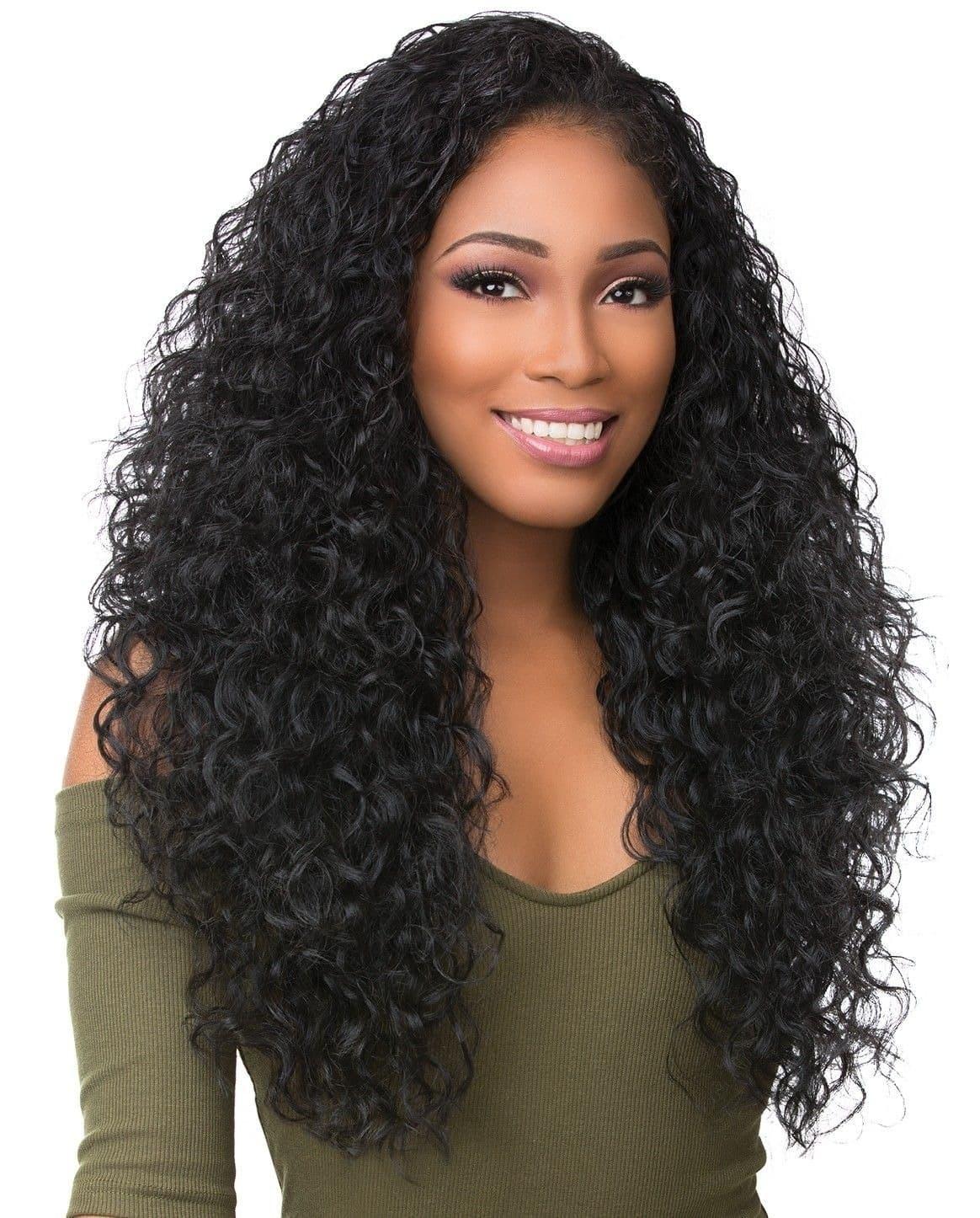 , include clear headings (
, ) and step-by-step lists (, ) for scannability. Use the exact search phrase sparingly in headings and naturally in the body copy. Add variants like "conditioning synthetic hair", "synthetic wig care", and "detangling synthetic wigs" to capture related searches and show topical depth. Use descriptive alt text for images showing the process (e.g., alt="wig conditioning soak in a basin") and structured lists to improve snippet chances.Quick Checklist: Conditioning Essentials
- Cool or lukewarm water only
- Wig-safe or diluted conditioner
- Wide-tooth comb and microfiber towel
- Wig stand for air drying
- Light leave-in spray for finishing
Finally, remember that consistency and gentle handling are the foundation of lasting softness. Understanding how to condition a synthetic wig is less about complicated products and more about correct steps: gentle cleansing, a proper conditioning soak, careful detangling while conditioned, and slow air drying. Over time, this routine maintains natural-looking shine, reduces frizz and extends the life of your synthetic investment.
FAQ
- Can I use regular salon conditioner on a synthetic unit?
- Most salon conditioners are formulated for human hair and can be too heavy or contain solvents that affect synthetic fibers. Use products labeled for synthetic wigs or diluted mild fabric softener as a safe alternative.
- Is it safe to use fabric softener every time I condition?
- Fabric softener works in diluted form as a temporary slip agent but should be used sparingly (every few cleanings) and followed by a light rinse or leave-in spray, because buildup can occur.
- How long does a conditioning treatment take?
- The active soak is typically 5–10 minutes, plus drying time. Plan for several hours of air drying depending on fiber density.
- Will conditioning restore shine to a dull synthetic wig?
- Yes, proper conditioning will improve shine and texture, though severely worn or heat-damaged fibers may not fully regain original luster and could require replacement.

By following these targeted steps and tips tailored to synthetic fibers, you can confidently care for your wig, preserving softness and achieving a natural-looking shine that makes synthetic hair feel and behave closer to the real thing. Whether you’re refreshing an everyday piece or restoring a seldom-worn style, this guide explains practical, safe methods for how to condition a synthetic wig at home and keep it performing beautifully for months to come.
- ,
- Cool or lukewarm water only
- Wig-safe or diluted conditioner
- Wide-tooth comb and microfiber towel
- Wig stand for air drying
- Light leave-in spray for finishing
- Can I use regular salon conditioner on a synthetic unit?
- Most salon conditioners are formulated for human hair and can be too heavy or contain solvents that affect synthetic fibers. Use products labeled for synthetic wigs or diluted mild fabric softener as a safe alternative.
- Is it safe to use fabric softener every time I condition?
- Fabric softener works in diluted form as a temporary slip agent but should be used sparingly (every few cleanings) and followed by a light rinse or leave-in spray, because buildup can occur.
- How long does a conditioning treatment take?
- The active soak is typically 5–10 minutes, plus drying time. Plan for several hours of air drying depending on fiber density.
- Will conditioning restore shine to a dull synthetic wig?
- Yes, proper conditioning will improve shine and texture, though severely worn or heat-damaged fibers may not fully regain original luster and could require replacement.
- ) for scannability. Use the exact search phrase sparingly in headings and naturally in the body copy. Add variants like "conditioning synthetic hair", "synthetic wig care", and "detangling synthetic wigs" to capture related searches and show topical depth. Use descriptive alt text for images showing the process (e.g., alt="wig conditioning soak in a basin") and structured lists to improve snippet chances.
Quick Checklist: Conditioning Essentials
Finally, remember that consistency and gentle handling are the foundation of lasting softness. Understanding how to condition a synthetic wig is less about complicated products and more about correct steps: gentle cleansing, a proper conditioning soak, careful detangling while conditioned, and slow air drying. Over time, this routine maintains natural-looking shine, reduces frizz and extends the life of your synthetic investment.
FAQ
By following these targeted steps and tips tailored to synthetic fibers, you can confidently care for your wig, preserving softness and achieving a natural-looking shine that makes synthetic hair feel and behave closer to the real thing. Whether you’re refreshing an everyday piece or restoring a seldom-worn style, this guide explains practical, safe methods for how to condition a synthetic wig at home and keep it performing beautifully for months to come.
Related products
Blog
- how to put on a lace front wig step by step for a seamless natural look
- how are wigs made step by step guide from fiber to finish for synthetic and human hair wigs
- How to Take Care of Synthetic Wigs - Essential Cleaning, Storage and Styling Tips for Longer Wear
- can i make a wig from my own hair DIY step-by-step guide for realistic results, supplies, cost and styling tips
- Ultimate judge wig guide - top styles, proper fit and care for courtroom authenticity
- does hobby lobby sell wigs Learn What Styles, Prices, and Alternatives Are Available Near You
- How to Put on a Wig for the First Time - Easy Step by Step Guide for Beginners
- how to curl cheap wig at home like a pro with heat free and curling iron tips