
how to care for synthetic wigs made easy - 12 expert tips for washing styling and long lasting shine
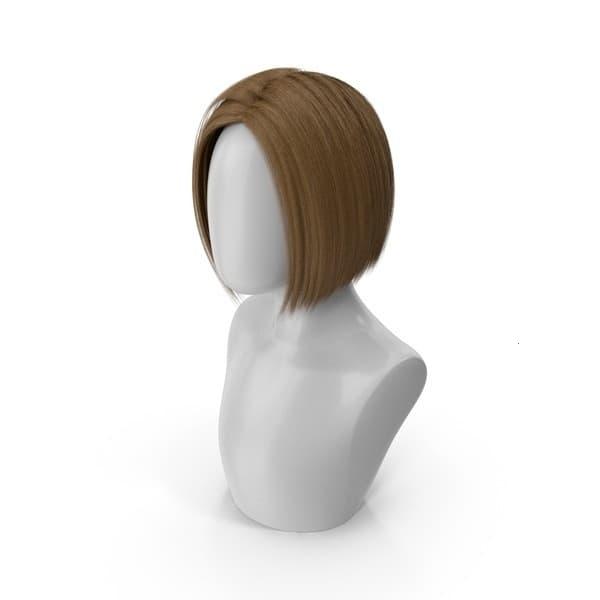
Practical Guide: Expert Advice on how to care for synthetic wigs for Everyday Wear and Long-Lasting Shine
If you've chosen the convenience and style of a synthetic hairpiece, understanding how to care for synthetic wigs is essential to keep fibers soft, tangle-free and naturally lustrous. This comprehensive guide breaks down proven techniques, product recommendations and routine schedules so you can enjoy beautiful results without guesswork. The goal here is to provide an approachable plan — from washing and drying to styling and storage — that suits busy lifestyles while maximizing the life of your synthetic wig.
Why proper maintenance matters
Many users underestimate how simple, consistent care can dramatically extend a synthetic wig's lifespan. Unlike human hair, synthetic fibers are pre-styled and heat-sensitive; if neglected they can frizz, matt and lose shine. Learning how to care for synthetic wigs helps you avoid common mistakes: overwashing, using the wrong brushes, or applying heat improperly. Proper maintenance preserves color, texture and the original movement that made you choose the style in the first place.
Core principles before you begin
- Gentleness: Synthetic fibers are delicate. Treat them like a finely woven garment.
- Correct products: Use shampoos, conditioners and sprays formulated for synthetic hair or labeled "wig care".
- Low heat or no heat: Most synthetics cannot withstand high temperatures unless explicitly stated as heat-resistant.
- Regular detangling: Prevent knots before they set in — this is the single most effective long-term strategy.
Quick reference: Daily to monthly checklist
- Daily: Light brushing and air-fluffing to remove surface dust.
- Weekly (if worn most days): Spot-clean and freshen with a silicone-free spray.
- Biweekly to monthly: Full wash using gentle wig shampoo and conditioner.
- Storage: Use a wig stand or mannequin head and cover it from dust.
12 Detailed Tips: Step-by-step advice on how to care for synthetic wigs
Tip 1 — Choose the right products
Always pick a shampoo and conditioner designed for synthetic fibers. Regular shampoos can strip the fiber's finish. Look for labels that say "synthetic wig care", "sulfate-free", or "for synthetic hair". Avoid products with alcohol or heavy oils, which can dry or weigh down the hair. Using correct products is the foundation of how to care for synthetic wigs.
Tip 2 — Detangle with the right tools
Use a wide-tooth comb, a special wig brush or a paddle brush with soft bristles. Start detangling from the ends, then work upward with gentle motions. For curly synthetic wigs, use your fingers or a wide-tooth comb to preserve curl pattern. Regular detangling prevents matting and reduces the need for repair.
Tip 3 — Washing frequency and method
Frequency depends on wear: if you wear daily, wash every 10–14 wears; for occasional wear, every 6–8 wears is fine. Fill a basin with cool water, add a small amount of synthetic wig shampoo, submerge gently and swirl without rubbing. Rinse in cool water until clear. Never wring or twist.
Tip 4 — Conditioning correctly
After shampooing, apply a light synthetic-compatible conditioner from mid-lengths to ends, leaving roots untouched to avoid loosening the cap's knots. Soak briefly, then rinse with cool water. For deep refresh, use a leave-in conditioner spray formulated for synthetic fiber to restore softness and minimize static.
Tip 5 — Drying without damage
Gently blot excess water with a microfiber towel or a cotton T-shirt. Place the wig on a wig stand to air dry; this helps the cap retain shape and prevents mildew. Avoid direct sunlight, hair dryers or heat sources unless your wig is labeled heat-friendly. When fully dry, reshape with your hands and use a spray mist to settle fibers.
Tip 6 — Styling tactics
Most synthetic wigs come pre-styled; maintain shape with light sprays and finger-styling. For non-heat-resistant fibers, avoid curling irons or flat irons. If the fiber is heat-tolerant, always test on an inner strand at the lowest recommended temperature before attempting a full style. Use small, incremental heat and protect the fiber with a thermal shield spray made for synthetics.
Tip 7 — Preserving shine and texture
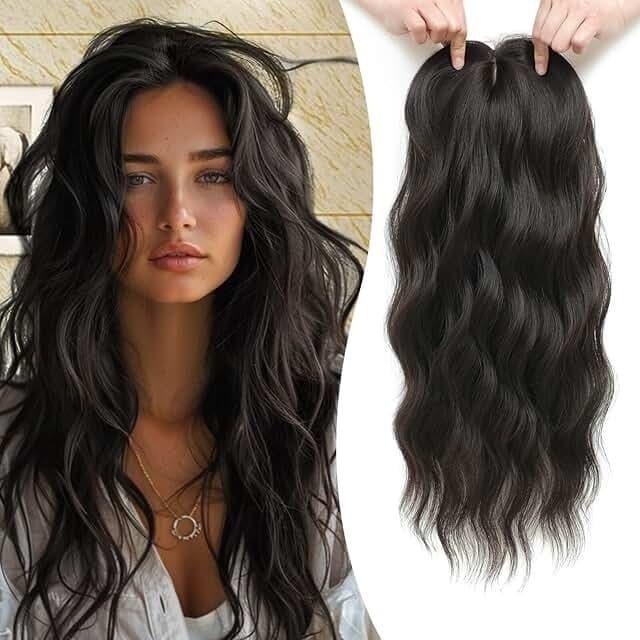
Shine can fade from residue, dust or product buildup. Use a synthetic wig shine spray sparingly — a light mist from 8–12 inches away. Avoid overusing oils or heavy serums that can attract dust or make the fiber limp. Regular gentle cleansing also restores natural-looking sheen.
Tip 8 — Storage best practices
Store the wig on a stand or mannequin head to keep the cap and style intact. If you lack space, place it in a breathable bag or box with tissue paper to maintain shape. Avoid plastic bags for long-term storage because they trap moisture. Keep stored wigs away from heat, direct sunlight and high humidity.
Tip 9 — Travel and on-the-go care
Use a travel wig stand or a clip-in protector and a satin-lined bag. Bring a small wig brush, a travel-sized leave-in spray and bobby pins. For quick refreshes, a light mist and gentle finger fluff are often enough. For long trips, pack the wig in the most natural shape possible and cushion with soft materials.
Tip 10 — Special cases: frizz, matting and odor
For light frizz, use a conditioning spray and gentle brushing. For matting at the nape, carefully work through knots from the tips with detangler and scissors as a last resort for severe mats. To remove odors, freshen with a fabric-safe deodorizing spray or a bowl of steaming water in the bathroom to release trapped scents while avoiding direct heat on the wig.
Tip 11 — Color-care and fading prevention
Synthetic fibers can fade over time with sun exposure. Minimize prolonged sunlight and use UV-protectant sprays. If color fade becomes noticeable, you may consider professional recoloring services that specialize in synthetic fiber dyeing or swapping to a new piece to restore vibrancy.
Tip 12 — When to seek professional help
If a wig develops severe tangling, structural cap issues or noticeable shedding, a professional wig technician can often revive the piece, restitch lace fronts, replace bands or recondition the fiber. Routine professional maintenance every 6–12 months can extend the life of high-quality wigs.
Common care routines for different lifestyles
Short-term wearers: If you only wear your wig occasionally, store it properly, brush lightly after each use and wash after 6–8 wears. Active users or performers: Sweat and styling products accumulate faster, so wash every 8–10 wears and invest in a breathable wig cap to protect the cap lining. Daily users: A consistent weekly spot-clean and monthly full wash helps maintain softness and appearance.
DIY repairs and small fixes
Loose wefts or small seam tears can often be fixed with a needle and thread matching the cap color. Use a curved sewing needle for easier access. Replace slipped combs or hair clips by sewing new attachments into the cap. Always work gently to avoid enlarging holes or weakening surrounding fibers.
Product guide: what to buy and what to avoid
- Buy: synthetic wig shampoo, silicone-free leave-in conditioner, detangling spray for synthetics, soft-bristle wig brush, heat protectant if heat-friendly.
- Avoid: alcohol-heavy products, standard hair serums, strong hold aerosols that leave residue, harsh detergents and bleach.
Environmental and seasonal considerations
In cold months static can increase; use a lightweight anti-static spray and avoid excessive synthetic fabrics in close contact. In hot months, sweat and sun exposure require more frequent spot-cleaning and UV protection. Humidity can relax synthetic curls — store accordingly and use humidity-friendly products.
Troubleshooting: fast solutions
- Tangle on the underside: apply detangler, hold at the roots and comb from ends up.
- Flat crown: tease lightly at the base or use foam inserts to add lift.
- Shiny synthetic fiber looks fake: use a matte finish texturizing spray to reduce unnaturally glossy sheen.

Checklist before and after washing
Before washing: remove pins and accessories, comb gently, secure the cap and spot-treat stains. After washing: blot dry, place on a stand, style once dry and apply a light leave-in to revive bounce. Storing only after completely dry prevents mildew and a musty odor.
Eco-friendly tips for sustainable wig care
Choose concentrated products to reduce packaging waste, use microfiber towels to speed drying without heat and donate or recycle old wigs if they can no longer be refreshed. Proper care reduces replacement frequency, which is the most sustainable option long-term.
How to evaluate product labels
Look for keywords: "synthetic safe", "sulfate-free", "ph-balanced", "silicone-free" (if you want lightweight finishes), and "heat-friendly" if you plan to style with low heat. Manufacturers often list temperature limits for heat-resistant fibers; follow these recommendations closely.
Troubleshooting common myths
Myth: "All synthetics cannot be washed." False. Most synthetic wigs can be washed with proper products. Myth: "Shine equals quality." False. Natural-looking shine is good, but excessive gloss suggests resin coatings or residues.
Maintenance timeline summary
Day-to-day: brush and air-fluff. Weekly: light spot-clean and detangle. Monthly: full wash and deep conditioning. Biannually: professional evaluation for repairs and cap maintenance for frequent users.
Key takeaways
Understanding how to care for synthetic wigs is a mixture of gentle handling, using the right products, avoiding unnecessary heat and establishing a simple maintenance schedule. With these strategies you can keep styles fresh, colors vibrant and fibers soft for months to years depending on quality and use.
Additional resources and learning
Follow reputable wig makers, watch demonstration videos from licensed wig technicians, and consult product reviews for specific fibers like Kanekalon or Toyokalon — each may have slight care differences.
FAQ
A: Generally every 10–14 wears; however, if you sweat heavily or use lots of styling products, consider washing every 8–10 wears.
A: Avoid direct heat unless the wig label indicates it's heat-resistant. Air-drying on a wig stand is safest.
A: A wide-tooth comb or silicone-tipped soft brush designed for wigs is ideal to prevent pull and fiber damage.
A: Yes, appropriate cleaning, conditioning and a light synthetic-safe shine spray will restore a natural-looking luster without making the fiber greasy.
Related products
Blog
- is dawn olivieri wearing a wig in yellowstone - costume secrets and on-set hair styling explained
- can i dye a synthetic wig safely A step by step guide to testing, dye types and long lasting results
- does wearing a wig prevent hair growth A deep dive into myths causes research and scalp care tips
- Pro tips on how to lay hair flat under wig without braids for a sleek natural finish
- How to Make Wig Bigger with Simple DIY Stretching Tricks That Actually Work
- how to cut a wig into a bob made easy step by step DIY guide for salon quality results
- 7 Expert Tips on how to take care of a wig and keep it looking fresh and natural
- what are wigs made of - Ultimate guide to human hair, synthetic fibers, lace fronts and cap construction