
Exploring why powdered wigs became fashion icons origins reasons and lasting legacy
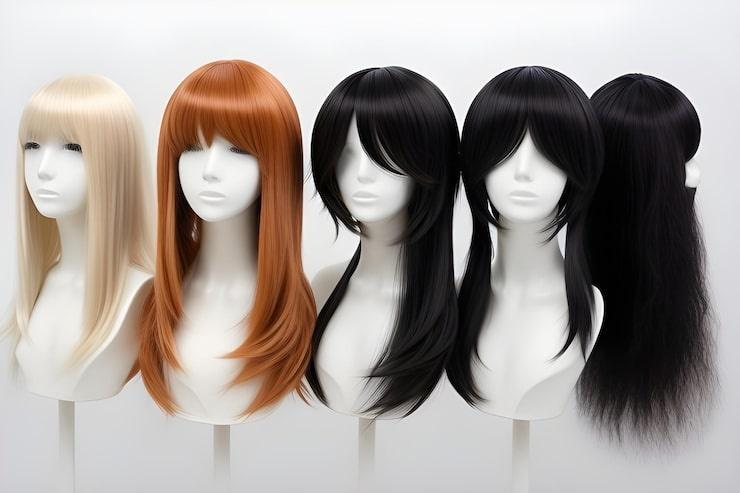
why powdered wigs have endured in cultural memory
Understanding the appeal of historical hair covering practices requires looking beyond simple aesthetics. The question of why powdered wigs rose to prominence touches on hygiene, social signaling, politics, economics, theatricality and technology. This article unpacks the layered reasons that pushed powdered hairpieces from practical solution to fashionable emblem, and explains their continuing legacy in costume, legal dress and subcultural revival scenes.
Quick orientation: what we mean when we ask why powdered wigs
When modern readers search for why powdered wigs held sway, they are often curious about causation: what forces—medical, social, material or symbolic—combined to make powdering hair and wearing elaborately styled wigs so desirable across the 17th and 18th centuries? The answer is not single-factor; rather it is intersectional, with each thread reinforcing others. Below, we break down those threads and then connect them to modern echoes.
Origins and practical drivers
Hygiene and lice control
One of the most frequently overlooked reasons for powder and wig adoption is hygiene management. In an era before regular bathing and with limited pest control, lice were a constant problem. Shaving the head or cutting hair close and then wearing a wig made it easier to treat and control infestation. Powder—often made from starch scented with citrus, lavender, or orris root—helped to desiccate and displace pests while masking odors. So, a practical reason explains part of the answer to why powdered wigs were initially adopted: they were functional tools in an environment where personal hygiene options were limited.
Scalp conditions and cosmetics
Skin ailments and fungal conditions of the scalp were more common in premodern cities. Tying a wig into daily use meant damaged or diseased hair and scalp could be hidden and medicated without social stigma. Cosmetic powder also covered gray and uneven tones in wigs made from white or light-colored hair, helping users present a uniform color and texture that read as fashionable and refined.
Social signaling and class performance
Fashion is often shorthand for social position. The rise of wigs coincided with courts and urban elites codifying visual cues of status. Wearing a wig signaled leisure (someone else styled and powdered your hair), wealth (wigs required craftsmen and resources), and adherence to elite norms. The repeated question of why powdered wigs belonged to fashions of rank can be answered: powdered wigs were distinctly visual badges of elite belonging.
Legal and official dress
One of the most enduring institutional legacies of powdered wig culture lies in legal and parliamentary dress codes where wigs became ritualized. Magistrates and barristers in some countries adopted wigs to visually mark impartial authority and continuity. The symbolic power of powdered wigs persisted long after everyday wear waned, so the question of why powdered wigs matters for understanding how ritual dress preserves historical meaning.
Technological and economic enablers
Technical advances in wig-making and the growth of colonial trade networks created access to both the materials and the labor needed. Human hair, horsehair and plant fibers, along with starches and aromatic compounds for powder, became commodities in expanding markets. Skilled wigmakers (perruquiers) refined techniques to produce uniform, voluminous styles that responded to shifting tastes; those styles often depended on elaborate powdering to maintain their visual effect.
Cost and craftsmanship
Wig manufacture balanced mass demand and bespoke work. Wealthier households might commission custom pieces, while others purchased ready-made or rented wigs for special occasions. The economics behind volume and exclusivity illuminates another reason in exploring why powdered wigs became so visible: they were both luxury items and, later, widely imitated signifiers as production scaled.
Cultural symbolism and gender dynamics
Powdered hair carried layered meanings around gender, age and civic identity. For men, a powdered wig could enhance perceived authority, dignity and masculinity in certain social codes; for women, powdered hair signified participation in courtly beauty regimes and, at times, theatrical rebellion. Examining why powdered wigs functioned as symbolic instruments helps explain why both sexes engaged with the practice, despite shifting moral critiques from various religious and reformist voices.
Ritual, ceremony and spectacle
Public ceremonies and portraiture cemented the look. Paintings, engravings and public proclamations that featured powdered wigs amplified their normative value. Spectacle—the court masque, operatic stage, or political rally—celebrated exaggerated silhouettes. These public displays turned a private hygiene choice into an outward cultural performance, answering part of the question why powdered wigs were chosen by leaders who needed to be seen and remembered.
Fashion cycles and aesthetic taste
Like all fashion, powdered wigs rode waves. The baroque appetite for ornamentation and contrast favored pale, powdered hair against richly colored garments and tanned skin. Powdering created texture and volume; the crisp, matte finish photographed and painted well, offering visual contrast prized by stylists and artists. Thus the aesthetic laws of the time pressured wearers toward powder, offering another practical insight into why powdered wigs matched contemporary tastes.
Innovation in styles
From short, neat perukes to towering pompadours and cascading curls, wig shapes evolved. Stylists experimented with tints, curls and ornaments. Powdering techniques—from simple dusting to elaborate designs—allowed customization. Consumers could signal political allegiance, regional identity or profession through variations, further complicating the straightforward "fashion" answer to why powdered wigs were adopted: they were malleable symbols.
Decline and transformation
The shift away from powdered wigs reflects broader socio-political and economic changes: the rise of bourgeois values, changing hygiene norms, industrial clothing production, and new masculine ideals favoring natural hair. Revolutionary movements associated powdered wigs with decadence, accelerating their fall in certain nations. But the decline was selective; judges and some ceremonial roles retained wigs as a marker of continuity and authority, which is why modern observers still encounter powdered or unpowdered wigs in courtrooms and in ceremonial garb.
Legacy and modern revivals
Why do powdered wigs still fascinate? The aesthetic history feeds fashion designers, costume departments, subcultures and performance artists. Contemporary fashion references—runway hairpieces, editorial styling and film costume—repurpose powdering techniques to evoke vintage drama. Academic and museum interest in the material culture of dress has also fueled new appreciation for the craftsmanship of wigmakers and the socio-economic networks behind the trade. Studying why powdered wigs is therefore not a purely antiquarian exercise; it reveals persistent questions about how societies manufacture status and stage identity.
In popular media and memory
Period dramas, historical museums and reenactment communities play a central role in keeping the form visible. These representations often simplify causes, but they help the public ask informed follow-up questions such as: what ingredients were used in powder? How did trade networks supply materials? How did ordinary people engage with wig trends? The continuing curiosity around why powdered wigs demonstrates how historical artifacts can catalyze broader cultural literacy.
How to interpret powdered wigs today
Interpreting this fashion requires attention to nuance: powdered wigs were simultaneously practical, symbolic and commercial. They offered a solution to problems of hygiene and aesthetics, served as a visible marker of rank, and provided livelihoods across artisanal cultures. Each of these factors helped make powdered wigs an influential visual language in early modern societies.
Practical lessons for the modern observer
- Context matters: never assume a single motivation—social practices reflect overlapping pressures.
- Material culture: objects like wigs reveal trade, technology and labor history.
- Durability of symbols: the persistence of wigs in legal dress shows how dress codes can outlast daily fashion.
Research directions and resources
For readers inspired to dig deeper into why powdered wigs mattered historically and how they continue to echo today, useful paths include museum collections, textile conservation studies, trade records, portrait archives and legal dress histories. Interdisciplinary work that combines visual analysis, economic records and social history yields the richest answers to the question why powdered wigs had such wide cultural traction.
Practical note: powder, composition and safety
Historic hair powders often used starch mixed with fragrant materials; some recipes included toxic substances like lead or mercury in other cosmetic applications, though not all wig powders contained these. Modern reenactors should consult conservation experts before applying historical recipes or handling antique wigs. The health and safety lesson is another reason to revisit why powdered wigs were eventually abandoned for everyday wear: shifting medical knowledge and hygiene norms influenced fashion choices as much as political taste.
Concluding reflections
As we synthesize the elements that answer the question of why powdered wigs became such powerful cultural markers, the strongest conclusion is plurality: multiple, interlocking causes made powdered wigs both practical and fashionable. Hygiene management, visual politics, artisanal economies, courtly spectacle and changing aesthetics all contributed to the rise and the long tail of wig culture. Appreciating this complexity helps us better read other historical fashions and their modern revivals.
If you are a content creator, historian or stylist aiming to reference powdered-wig culture responsibly, emphasize context, cite sources, and avoid simplifying narratives that reduce a complex social phenomenon to a single cause.
Key takeaways
- why powdered wigs were adopted: a combination of hygiene, status signaling and stylistic preference.
- They shaped and were shaped by economic networks and artisanal skill.
- Their legacy survives in ceremonial dress and cultural imagination.
Further reading and digital archives
Recommended search strategies include museum catalogues (keywords: peruke, perruquier, hair powder, 18th-century costume), legal dress histories, and conservation reports. These resources illuminate the manufacturing techniques and cultural contexts that help fully answer why powdered wigs mattered.
Final note
The story behind powdered wigs is not merely about an accessory; it is a window into how societies manage bodies, project power and create meaning through visible material culture. Asking why powdered wigs invites deeper exploration of identity, economics and the art of appearance.
FAQ
- Did everyone in the 18th century wear powdered wigs?
- No. Wearing a wig and powder was more common among elites, professionals and certain urbanites; rural populations and many working classes did not adopt the full wig-and-powder regimen due to cost and practicality.
- Were powders dangerous?
- Most hair powders were starch-based and not inherently toxic, but some cosmetic traditions elsewhere used hazardous substances; additionally, poor ventilation and repeated inhalation could cause respiratory and skin issues for some users and artisans.
- Why do some judges still wear wigs?
- Court wig traditions persist as ritualized markers of continuity, impartiality and authority. They function as visual shorthand for the role rather than current fashion.
Related products
Blog
- 12 Easy Pro Tips - how to make costume wigs look better and appear more natural and long lasting
- Is wearing a wig hard and how to make it easy 8 simple tips for beginners
- Expert Tips to Choose Hair Wigs That Look Natural and Stay Comfortable All Day
- how to fix synthetic wig ends with 7 easy at home methods for smooth tangle free tips
- Why Do Blacks Wear Wigs Exploring Cultural Roots History and Practical Haircare Reasons
- Natural hair wigs 2025 Buying Guide — Top Tips to Choose, Care, and Style Realistic Lace and Human Hair Wigs
- Rumor Check does leslie stahl wear wigs? A careful look at the evidence and expert commentary
- how to wear wig without wig cap — 7 clever tricks for a secure natural look