
does taylor swift wear a wig Exploring 7 Myths, Onstage Styling and Real Life Hair Evidence
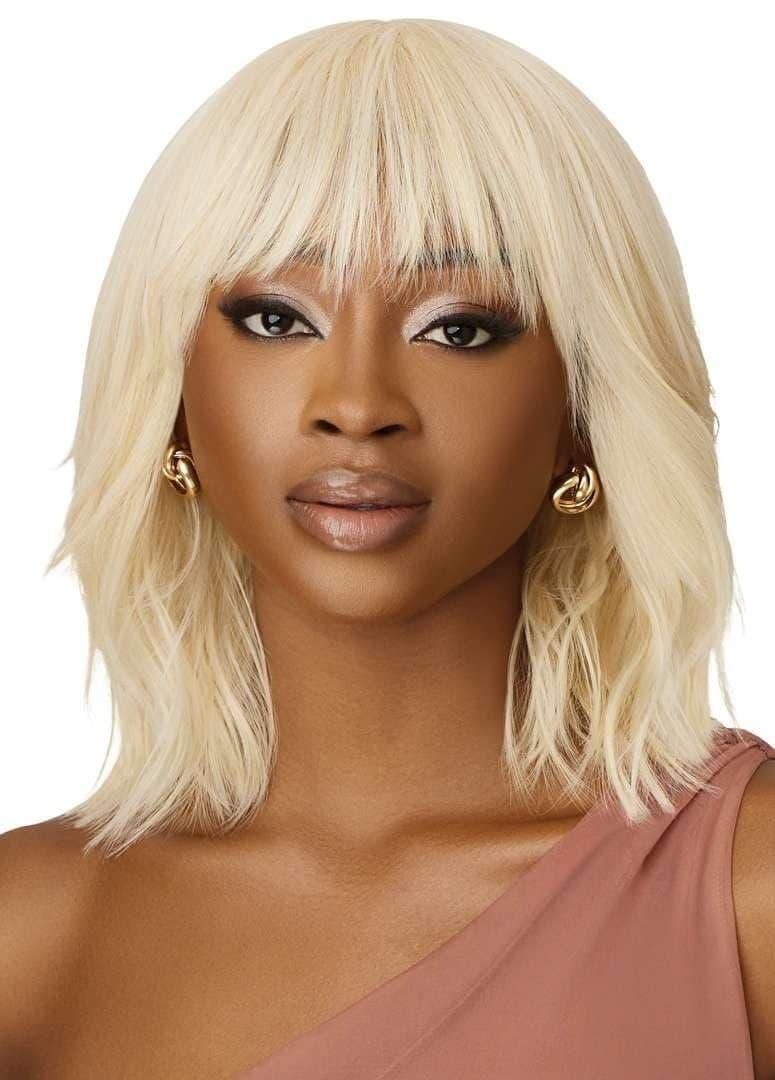
Unpacking the Question: did she really switch her hair for the spotlight?
One of the most searched queries about a major pop star is succinct and persistent: does taylor swift wear a wig? Fans, style writers and casual observers all wonder whether the dramatic stage looks, flawless red-carpet curls and sudden color changes are the result of a wig, a clever stylist, or natural hair evolution. In this long-form exploration we will examine common myths, real-world evidence, professional styling techniques, and reasonable conclusions so readers can move beyond rumor and see what the visual facts suggest. This article aims to be helpful for searchers who type does taylor swift wear a wig into a search engine, and to provide a well-rounded perspective that helps explain why that question keeps coming up.
Why people ask "does taylor swift wear a wig" — the cultural context
Pop stars are visual brands. When an artist reinvents a public persona, hair is one of the fastest and most visible signals of change. This leads many to wonder: is the change temporary and coiffed with a wig, or real and biological? The question does taylor swift wear a wig also has an undertone of curiosity about authenticity. Audiences crave the answer because hair often symbolizes identity, and major transformations invite speculation about whether a celebrity is using hairpieces, extensions, wigs, hair systems, or professional color and cutting techniques.
Seven myths and the reality behind each
- Myth 1: Every dramatic stage look equals a full wig. Reality: Stage hair often includes a mix of techniques—extensions, clip-ins, teasing, strong hold products, heat styling and sometimes wigs. Large productions favor quick changes, so stylists use combinations that allow fast swaps during choreography.
- Myth 2: Wigs are the only way to achieve uniform volume and shine. Reality: Skilled stylists can use blowouts, volumizing sprays, keratin treatments, and cleverly placed extensions to achieve consistent volume without a full wig. Professional lighting and camera angles also enhance shine and texture.
- Myth 3: If hair looks perfect after dancing, it's a wig. Reality: Hair teams prepare sweat-resistant updos and use products designed to survive heavy activity. Wigs might be used for multiple shows, but clip-in pieces and expert re-styling between songs can produce similar effects.
- Myth 4: A sudden color change means a wig is involved. Reality: Temporary color can come from dyes, semi-permanent tints or temporary sprays. Wigs offer instant change, but celebrities often choose color change to evolve their image.
- Myth 5: Wigs indicate vanity or inauthenticity. Reality: Wigs and hairpieces are professional tools used by performers for consistency, costume accuracy and hair protection. Many performers rotate looks with and without wigs.
- Myth 6: Stylists won't reveal wig use, so you can't trust any evidence. Reality: Some stylists and hair teams discuss techniques openly in interviews and social media. While not every detail is disclosed, consistent public evidence (close-up photos, candids, backstage clips) helps build a reliable picture.
- Myth 7: If one appearance used a wig, all do. Reality: Artists pick tools according to need. A headline tour date with rapid costume changes may call for wigs; a festival set with fewer changes might rely on extensions or natural hair.
Visible clues fans use to answer "does taylor swift wear a wig"
Fans and analysts look for certain visual indicators that can be found in photos, videos, and behind-the-scenes clips. These include: hairline continuity, movement during wind and motion, how often the style changes within a short time span, evidence of lace fronts, and how close-ups of the scalp look under high-resolution photography. When someone types does taylor swift wear a wig they often want these practical signs explained. Most photo evidence of modern celebrities shows a blend of natural hair and enhancements rather than a full-time single method.
Hairline and part behavior
Natural hairlines and partings have subtle irregularities. A lace-front wig can emulate that, but close inspection usually shows a difference in how hair grows from the scalp. Moreover, a wig may hold its shape differently in wind or with sudden movement compared to natural hair that responds more dynamically. Videos of public appearances, candid airport photos and close-up backstage footage are valuable for observers trying to answer does taylor swift wear a wig.
Color transitions and roots
Real hair often shows root variation between touch-ups, whereas wigs and toppers provide consistent color from root to tip. That said, modern lace-front wigs can be dyed and cut to simulate roots. Stylists can also apply root blush techniques and balayage to mimic natural growth, making the distinction less obvious.
Onstage needs that encourage wig or extension use
Live concerts demand reliability. A tour schedule can be punishing: multiple shows in a week, travel across time zones, and rapid costume and hair changes during a single performance. Because of this, many artists lean on hairpieces. The key reasons for using wigs or extensions include:
- Speed: Quick swaps during costume changes are often easier with pre-styled wigs.
- Durability: Wigs can resist humidity, sweat and repeated styling better than natural hair.
- Protection: Regular dyeing, heat styling and bleaching damage hair; wigs let artists preserve their natural strands.
- Consistency: For choreography and quick camera shots, having the same exact look night after night is valuable to production.
So when fans ask does taylor swift wear a wig in the context of tour performances, the practical answer is often: sometimes, or at least sometimes hairpieces or extensions are used as part of the stage toolkit.
Real-life appearances: the public evidence
Outside of staged concerts, candid appearances, day-to-day public outings, and interviews offer a different window. In many candid shots you can see natural hair texture, subtle variations and the visible scalp that indicate hair is natural or uses minimal extensions. When researching the question does taylor swift wear a wig, these candid instances matter because they show how a celebrity presents herself when not performing. In plain public life, most celebrities use less elaborate techniques — maybe clip-in extensions for extra length or volume, and often a natural hairstyle handled by a personal stylist.
Statements from stylists and insiders
Professional stylists sometimes explain their craft in interviews, magazines, and social posts. These comments often clarify whether a look was created with wigs, weaves, or natural hair. When stylists discuss marathon shows and quick changes, they frequently mention human hair wigs, lace-front pieces, and pre-made wefts as indispensable resources for consistent show visuals. These professional revelations help answer does taylor swift wear a wig by demonstrating industry standards rather than singling out one performer.
Distinguishing wigs, hairpieces and extensions
A clear taxonomy helps readers who search for does taylor swift wear a wig understand the different tools:
- Full wig: A complete head covering that replaces the appearance of natural hair. Often used for rapid look changes and dramatic shifts in style.
- Lace front wig: Popular for natural-looking hairlines; can be styled and blended with little detection from a distance.
- Clip-in extensions: Temporary pieces added for volume or length; easy to remove day-to-day.
- Sew-in weaves and tape-ins: Semi-permanent solutions offering longer wear and a more integrated look.
- Toppers and hairpieces: Small sections designed to cover thinning or to add targeted volume.
Given these variations, answering does taylor swift wear a wig becomes less binary and more about identifying which tool is used on which occasion.
Case studies: high-profile looks and what they suggest
Looking at specific publicized looks gives practical insight. Analysts often compare red carpet photos from different angles and moments to identify continuity or change. Where a look endures movement, wind and close-ups with consistent hairline behavior, the probability of a wig may be lower. Conversely, instantly different silhouettes between two consecutive performances point to a wig, topper or clip-ins. In several documented appearances across tours and televised performances, hair teams have used extensions and pieces for longevity and to speed up transitions. That pattern is consistent with many top-tier performers.
How lighting and makeup influence perception
Lighting, stage makeup and camera work dramatically alter how hair reads on camera. Hair that looks overly glossy on TV may be the result of lighting gels and glossing sprays rather than wig material. This optical effect can mislead casual observers who then search does taylor swift wear a wig after seeing a highly polished clip on social media.
Why the question matters: authenticity, privacy and artistry
Asking whether a star uses wigs touches on larger themes. Fans often want authenticity, but performers balance authenticity with artistry, privacy and practicality. Wigs can be a creative choice just as much as a concealment technique. Using hairpieces allows celebrities to play with identity and storytelling without the permanent commitment of cutting or bleaching natural hair. That creativity is a valid part of performance art.
Practical tips for fans and content creators
If you're researching the topic or creating content around does taylor swift wear a wig, here are SEO-minded and methodological tips:
- Use a combination of credible sources: backstage interviews, stylist credits, and high-resolution photos.
- Differentiate between performance and candid contexts; the tools used often vary by setting.
- Examine timestamps and sequences of photos or video to see how quickly looks change.
- Avoid definitive claims without clear evidence; prefer probabilistic language like “likely,” “sometimes,” or “often” to stay accurate.
- When publishing content, use keyword-rich headings and alt-text for images, for example: Evidence and stylist commentary that informs 'does taylor swift wear a wig'.
Scientific and technical aspects of modern wig technology
Today’s wigs are engineered: breathable lace fronts, ventilated caps, and high-quality human hair units that accept heat styling. Many stage wigs are customized to match a performer’s natural part and hairline via hand-knotting techniques. These technologies make it harder for casual observers to say with certainty whether a particular look is a wig without very close inspection. The sophistication of modern hairpieces is a major reason why curiosity around does taylor swift wear a wig persists.
Respecting privacy and avoiding rumor-mongering
It’s worth noting that discussions about a person’s hair can slip into invasive territory. Fans can satisfy curiosity while remaining respectful. Focus on observable facts and stylists’ public comments, and avoid spreading unverified personal details that cross lines into privacy invasion or body-shaming. The question does taylor swift wear a wig is essentially a style inquiry; keeping it framed as such is both ethical and useful.
Conclusions: a balanced answer
The most defensible, SEO-friendly and nuanced reply to the question does taylor swift wear a wig is: sometimes—depending on the occasion. Evidence suggests that modern pop stars, including those with distinct personal brands, use a toolkit of wigs, extensions, toppers and expert styling to meet the demands of performance, filming and rapid image changes. In candid, everyday contexts she often appears in natural hair or with subtle extensions rather than full wigs. Therefore it’s not accurate to say she wears a wig all the time, nor is it surprising that she uses hairpieces when performance needs demand them.
What this means for fans and content creators
For fans: enjoy the artistry. For writers and creators: treat the subject with nuance and rely on verifiable visual evidence and source quotes to support claims. If your goal is to rank for queries like does taylor swift wear a wig, produce well-sourced content, use headings and semantic HTML tags correctly, and avoid sensationalism.
The question does taylor swift wear a wig will likely remain popular because hair is a visible and symbolic part of performance identity. But the modern reality is less about a binary yes/no and more about a flexible professional practice: using the right tools—wigs, extensions, or natural hair—at the right time to support artistry, branding and hair health.
Further reading and visual resources
Explore interviews with celebrity stylists, behind-the-scenes videos from tours, and high-resolution red carpet galleries to form your own assessment. Visual evidence combined with stylist commentary creates the most credible insights for anyone trying to answer does taylor swift wear a wig.

FAQ
How common is wig use among major pop stars?
Very common for large-scale productions. Wigs and extensions help maintain consistency, ease quick changes and protect natural hair from repeated damage.
Can professional wigs be distinguished from real hair in photos?
Sometimes yes, especially in high-resolution close-ups or wind-blown motion, but modern lace-front human-hair wigs are intentionally designed to mimic natural growth and can be difficult to distinguish from a distance.
Does using wigs mean a performer is being dishonest about their image?
No. Wigs are a professional tool used for storytelling, protection and practical performance needs. Their use is part of the broader craft of performance and costuming.
Related products
Blog
- is bella wearing a wig in eclipse A Detailed Look at Movie Stills, Hairstylist Clues and What Fans Notice
- Exploring why did bella wear a wig in eclipse and what it reveals about Bella Swan's character
- How to Fit Long Hair Under a Wig Step-by-Step Guide to Tuck, Braid and Secure for a Natural Look
- why does kacey musgraves wear a wig - surprising reasons behind her look, style choices and stagecraft
- what is a half wig — complete guide to styles, benefits and how to wear it
- can you use straightener on synthetic wig? Expert heat tips, safe temperatures and styling alternatives
- how to defrizz a cheap synthetic wig and save money with easy no heat DIY tips for natural looking shine
- How to Put Wig Cap on Long Hair the Easy Way - Step by Step Tips for a Secure, Comfortable Fit