
Comprehensive Wig Length Chart and Sizing Guide to Find Your Perfect Hair Length
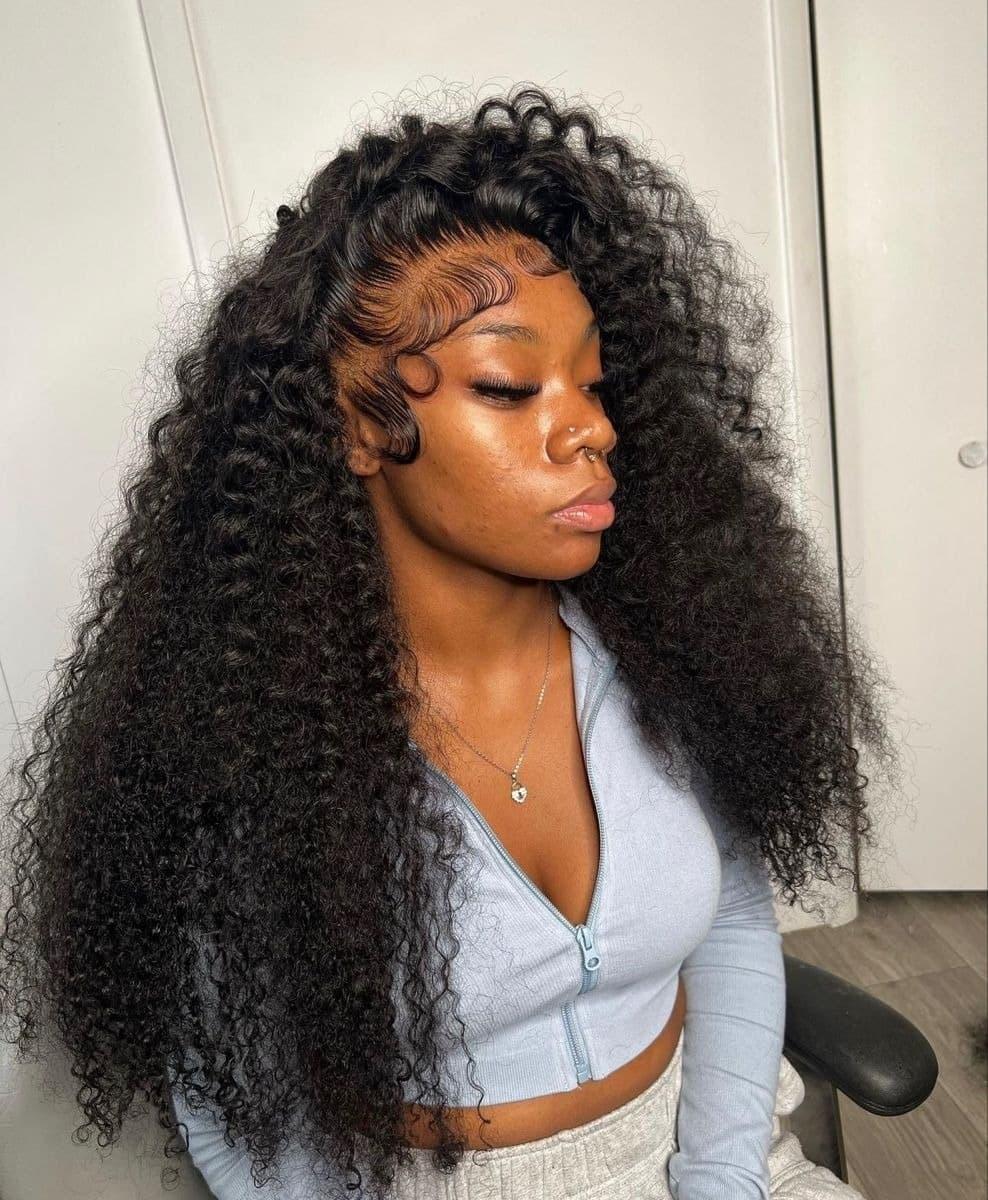
Find the Ideal Length: A Practical Guide for Choosing Hair Length
Why understanding a wig length chart matters
Choosing a wig is more than picking a color or texture; it's about matching length to lifestyle, proportions and personal style. The term wig length chart denotes a practical reference that translates raw measurements (usually inches or centimeters) into the visual effect you'll see when a wig is worn. This resource reduces surprises, prevents returns, and helps buyers or stylists plan cuts and layers with confidence.
How this guide helps you read any wig manufacturer’s length guide
Different brands may measure from the crown to the ends, from the front hairline to the nape, or include curls in their quoted lengths. A reliable wig length chart standardizes these measurements by giving visual approximations such as: ear-length, shoulder-grazing, mid-back and waist-length. When you know how to interpret a chart, you can compare styles across vendors, whether you're shopping for synthetic, human hair, lace front or full lace options.
Quick glossary: terms you'll see next to any length reference
- Base measurement – the method used to measure the wig (crown to tip, hairline to end).
- Density – how much hair is included; higher density affects perceived length and volume.
- Style factor – curls, waves and layers shorten apparent length compared to straight textures.
- Cap type – lace front, 360 lace, monofilament, basic cap; each impacts hairline realism and comfort.
Standard wig length chart conversion table
Below is a simplified reference mapping typical length labels to inches and approximate reach on the body. Use this as a baseline rather than an absolute rule because hair texture and style change visual fall:
| Label | Approx. Inches | Approx. cm | Visual fall |
|---|---|---|---|
| Baby/Babydoll | 8-10" | 20-25 cm | Chin or jawline |
| Short | 10-12" | 25-30 cm | Just below jaw |
| Bob | 12-14" | 30-35 cm | Chin to collarbone |
| Shoulder | 14-16" | 35-40 cm | Collarbone to shoulders |
| Medium | 16-20" | 40-50 cm | Mid-chest |
| Long | 20-24" | 50-60 cm | Mid-back |
| Extra Long | 24-30"+ | 60-76+ cm | Waist to hip |
How to measure your head to compare with any wig length chart
- Place a soft measuring tape at your natural hairline above your forehead.
- Run the tape over the crown to the point where you expect the wig's longest length to fall (e.g., shoulders, mid-back).
- Record in inches and centimeters; compare to the wig length chart to pick the closest labeled length.
- Remember to adjust if you want a shortened look (curled or layered styles will sit shorter).
Measuring for curls and waves
Curls compress length. A 20" curly wig will look more like a 14–16" straight wig once styled. The best practice is to refer to manufacturer notes and, when possible, check customer photos wearing the same style.
Density and its effect on perceived length
Two wigs with identical listed lengths can read differently on the body because one may be light density (thin) and the other heavy density (full). Heavy density creates bulk and can push the lengths outward, making hair stop higher on the body, while lower density permits more natural fall and weight.
Practical styling and alteration advice tied to the wig length chart

For buyers who want a tailor-made look, understanding how length is cut allows for precise requests to stylists: layered long lengths for movement, blunt cuts for drama at shoulder length, or tapered ends to mimic natural growth at shorter lengths. If you receive a wig that is slightly longer than expected, trimming 1–3 inches is a quick fix that preserves volume and shape while aligning with your wig length chart expectations.
Choosing length by face shape and proportion
Use the wig length chart as a starting point to match proportions: shorter chins and round faces often look balanced with chin-to-shoulder lengths, while long faces can be softened with shoulder or mid-chest lengths and bangs. Oval faces suit most lengths, so focus on lifestyle and maintenance when choosing.
Practical examples
- Petite frame: collarbone or shorter to avoid overwhelm.
- Tall frame: mid-back and longer can emphasize height beautifully.
- Active lifestyle: short to shoulder lengths are low maintenance and secure.
Texture tips: Straight vs. Wavy vs. Curly on the wig length chart
Straight wigs show true length more easily, while wavy and curly fibers curl back on themselves, shortening the visible fall. Consult the wig length chart and add 2–6 inches to your chosen length if you prefer the stretched-out look of curly textures. Remember to ask sellers whether their length measurements are stretched or rest-length measurements.
Color, highlights and perceived length
Strategic highlights and face-framing balayage can create illusions: lighter pieces draw the eye and can make a length appear longer or draw attention upward. Use the wig length chart to plan placement of highlights relative to the visual endpoints of your selected length.
Maintenance considerations linked to length choices
Longer wigs need more careful detangling, longer drying times and more product if human-hair. Shorter lengths are easier to style quickly and are less prone to tangling. Before committing to a long purchase, review care routines for the fiber type and factor them into your decision informed by the wig length chart.
Cap types and how they interact with length
Lace front and 360 lace allow for natural hairlines and styling updos. A full lace wig combined with a very long length gives the most realistic parting and styling options but requires more careful attachment for active wear. Basic caps are lighter and can be more comfortable for short to medium lengths but limit updo options.
Shopping checklist based on a practical wig length chart
- Confirm whether listed lengths are measured straight or in curl state.
- Check density percentage or grams per cap.
- Compare photos of real customers at different heights to visualize fall.
- Note cap construction and whether you’ll need customization.
- Plan for future trims if you prefer slightly shorter in-person results.
How to convert a vendor’s size chart to your preferred measure
If a vendor lists only centimeters, convert centimeters to inches by dividing by 2.54. Conversely, multiply inches by 2.54 to get centimeters. Keep a small reference card with typical entries from the wig length chart so you can instantly map labels to visual lengths when you shop.
Example conversion
20 inches = 50.8 cm (common mid-back reference). If a wig labeled "20"" is curly, expect an apparent result closer to 14–16" when worn.
Styling and cut tips after buying using a wig length chart
When you first receive a wig, place it on a mannequin or head block and pin it to assess natural fall against the wig length chart. Small adjustments—point-cutting ends, adding layers, or creating soft face-framing sections—can tailor a purchased length to your personal preferences without dramatic changes.
Heat and longevity by length
Human-hair wigs can be heat-styled but repeated high-heat exposure on long hair increases wear; treat long lengths like natural long hair with protective sprays and lower-heat tools. Synthetic heat-resistant fibers still face shorter lifespans under frequent heated styling.
Real-world tips from stylists interpreting any wig length chart
Experienced stylists recommend ordering a slightly longer length if you plan to add layers or curls later because cutting is easier than adding length. They also advise checking how the wig falls from behind—some sellers show a single front-facing image, which hides bulk and the true length at the center part.
Return and customization policies
Always check seller policy: if you must return a wig after trimming, many vendors will not accept it. Use the wig length chart and ask about in-store or professional customization options before purchasing to avoid losing value.
Common measurement mistakes and how the wig length chart prevents them
Buyers often confuse hair length measured on a stretched fiber with how it sits naturally. This leads to disappointment when a "24-inch" wig looks significantly shorter. The standardized wig length chart clarifies whether the length is stretched or rest length, and whether curls were measured straightened or in their natural texture.
Checklist to avoid mistakes
- Ask whether the length is measured straight or curled.
- Request photos of the wig on a head form for your height proportion.
- Compare density numbers or gram weights if available.
- Plan for a 2–6" adjustment for curly fibers.
Summary and action steps
Use a trusted wig length chart as a functional tool not just a label. Measure your head, understand cap construction, adjust for curls and density, and plan for post-purchase customization. The right approach reduces surprises and ensures the purchased length aligns with your aesthetic goals and daily routine.
Resources and tools to make quick length decisions
- Printable measurement tape guide matched to a wig length chart.
- Smartphone apps that overlay recommended lengths on a live selfie for instant visualization.
- Consultation checklists for stylists and sellers to clarify measurement methods before purchase.
Customer scenarios: matching lifestyle to length
For commuters who style quickly, shoulder and bob lengths are ideal. For performers seeking dramatic movement under stage lights, long or extra-long options make sense but require maintenance. Use the wig length chart as you weigh these trade-offs.
Final pro tips
Take multiple photos when trying a wig in natural light and compare to the wig length chart images. If unsure, consult a stylist who can recommend whether a short trim or added layering will get you closer to the look you want without losing length.
FAQ
Q: How accurate is a standard wig length chart across brands?
A: It is a guideline. Accuracy varies by brand and fiber texture. Always confirm whether measurements are measured straight, stretched, or in curl state and review customer imagery when possible.
Q: If a wig is listed as 22 inches on the wig length chart, how will it fall if curled?
A: Curls typically shorten apparent length by 25–40%. A 22" curled wig might read closer to 14–16" visually; ask the seller whether lengths are measured stretched or at rest.
Q: Can I safely trim a long wig to match a shorter length on the wig length chart?
A: Yes—trimming is the safest way to customize length. Cutting is irreversible, so consider having a professional stylist perform the initial shaping and layers.
With these guidelines you can interpret any vendor’s measurements, compare multiple options and confidently choose a wig that suits your proportions, maintenance preferences and desired aesthetic based on a consistent wig length chart approach.
Related products
Blog
- Effortless Style with a half wig Tips to Install, Style and Maintain a Half Wig for a Natural Look
- New look explained - why is lyle menendez wearing a wig and how it reshaped public opinion
- how to dye a human hair wig safely at home step by step for vibrant long lasting color and pro styling tips
- why does heidi montag need a wig Revealed in 5 surprising reasons behind her hair choices
- why do uk courts wear wigs and how this centuries old tradition still shapes courtroom authority
- what is a lace front wig explained with benefits installation and care tips for a natural look
- Surprising answer to who wears wigs on the young and the restless plus styling secrets
- Essential Tips on how to clean a wig synthetic Safely Easily and Without Damage