
Can You Dye Fiber Wig A Practical How to Guide with Expert Tips for Coloring Synthetic Hair Safely
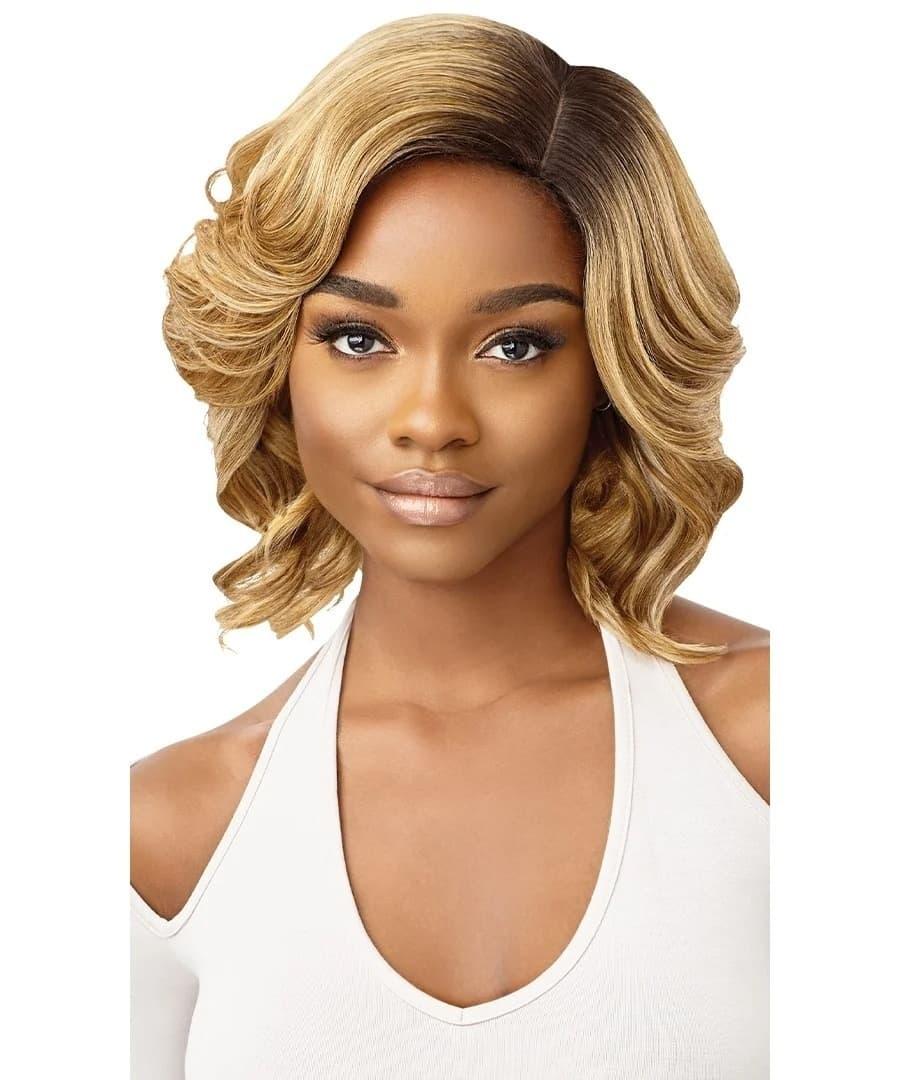
can you dye fiber wig: Practical guidance and realistic expectations for coloring synthetic hair
If you've ever stood in front of a mirror holding a synthetic wig and wondered can you dye fiber wig, you're not alone. This comprehensive guide is written for hobbyists, stylists, and curious wig wearers who want a clear, realistic, and actionable roadmap for changing the color of synthetic fibers. The answer to can you dye fiber wig depends on the fiber type, the dye method, and your willingness to experiment and accept trade-offs. Below you'll find expert tips, step-by-step methods, safety precautions, and troubleshooting techniques that preserve the look and longevity of the wig while helping you achieve the color you want.
Quick answer and headline takeaways
Short answer: can you dye fiber wig — sometimes, but not with ordinary hair dye. Regular salon dyes are formulated for natural human hair and will not reliably bond to most synthetic fibers. Some synthetic materials accept specialized dyes, and there are numerous surface-coloring alternatives (sprays, pigments, markers, fabric dyes, and heat-activated products) that deliver good results. Expect limitations: color range, permanence, uniformity, and potential fiber damage.
Understand the fiber: the foundation to answer "can you dye fiber wig"
Knowing the fiber type is the most important step. Synthetic wigs are typically made from one of these fibers:
- Acrylic (common, inexpensive, often matt or shiny)
- Polyester (used in many heat-resistant synthetics)
- Kanekalon (a widely used premium fiber)
- Toyokalon (silky-feel fiber used in higher-end wigs)
- Heat-resistant blends (formulated to tolerate low-to-moderate heat)
Why regular hair dye usually fails
Commercial peroxide- and ammonia-based hair dyes work by opening the cuticle of human hair and depositing color into the cortex. Synthetic fibers lack this structure; they are plastic polymers that repel water and resist penetration by ionic dyes. Therefore, typical salon dyes will not chemically bond to synthetic strands. That said, surface-level colorants and special high-heat disperse dyes can produce noticeable color changes.
Coloring strategies explained: options, pros, and cons
Here are practical methods to consider when answering can you dye fiber wig for your specific situation:
- Fabric dyes made for synthetics (disperse dyes) — Some dyes formulated for polyester or other synthetics (commonly known as disperse or polyester dyes) can dye certain synthetic wigs. These products often require heat activation (hot water or steam). Pros: more permanent than surface sprays. Cons: requires careful heat control, may alter fiber texture or shine, and results can be unpredictable depending on fiber composition.
- Rit DyeMore and similar synthetic dyes — Rit DyeMore is marketed for synthetic fabrics and sometimes used on wigs. It works better on certain fibers but not all, and it typically requires a stovetop dye bath. Pros: affordable and available. Cons: inconsistency, potential fiber damage, and limited color range on darker base wigs.
- Temporary color sprays and touch-up paints — Ideal for short-term changes or cosplay. These sprays coat the fiber surface and can be removed by washing (or wear-off over time). Pros: low risk, easy to use. Cons: can flake, may stiffen fibers, and not ideal for long-term wear.
- Alcohol-based markers, inks, and paints — Used for paneling, streaks, or highlights. They adhere to synthetic strands and offer good control for partial coloring. Pros: precision and low cost. Cons: time-consuming for full-head color and not permanent.
- Fabric chalks and pastels — Temporary and ideal for blending or shading. Pros: gentle on fibers, washes out. Cons: limited vibrancy on dark fibers.
- Dip-dyeing and ombré techniques — Coloring only ends or partial sections can mask dye limitations and provide creative results with less risk to the entire wig. Pros: lower-risk, visually striking. Cons: still may require dye sets or surface colorants and careful blending.
- Heat-activated dyes and steam coloring — Some disperse dyes require steam or hot water to migrate into the fiber. Pros: more durable results. Cons: heat can warp or melt lower-quality synthetic fibers; test first.
- Professional synthetic wig colorists — If the wig is expensive, consulting a pro who specializes in synthetic hair can produce safer, more predictable results. Pros: expertise, custom color-matching. Cons: cost and availability.

Tools & materials checklist before you begin
Being organized helps minimize mistakes. Typical supplies include:
- Colorant: disperse dye or synthetic fabric dye, temporary hair color spray, acrylic ink, or alcohol markers.
- Heat source: large pot, thermometer, steamer, or heat gun (only if the fiber is heat-friendly).
- Protective gear: nitrile gloves, apron, goggles, and masks for ventilation when using sprays and solvents.
- Neutralizing and washing supplies: gentle shampoo formulated for synthetic wigs, conditioner (if fiber-safe), white vinegar for rinsing, and clean towels.
- Containers: stainless steel or enamel pots for dye baths, plastic tubs for rinsing, and stainless steel tongs for handling hot wigs.
- Work area: well-ventilated, disposable covering, and a wig stand or mannequin head to shape the wig during the process.
Step-by-step method for disperse dye / heat method (when applicable)
Follow these steps only if your wig fiber is known to accept synthetic dyes and to tolerate heat. Always test an inconspicuous strand first.
- Strand test: Clip a small, hidden tuft and apply the dye exactly as you plan for the whole wig. Record time, temperature, and dye ratio.
- Pre-wash: Gently wash the wig with a synthetic-wig-friendly shampoo to remove styling products, silicone, and oils that can prevent dye uptake. Rinse thoroughly.
- Prepare dye bath: Follow manufacturer instructions for dye amount, water volume, and temperature. Use a pot dedicated to dyeing (don't use cookware for food afterward). Maintain a steady temperature; many disperse dyes need near-boiling water or sustained high heat to fix. Use a thermometer to control the process.
- Dyeing: Submerge the wig or weft evenly. Stir gently to avoid tangling. Keep the wig moving in the pot to achieve uniform color. Timing is critical; too long can darken more than intended and potentially damage fibers.
- Rinse and neutralize: Rinse in warm then cool water until the water runs clear. Some people use a diluted vinegar rinse (1 part vinegar to 4 parts water) to help set the color and remove excess dye particles from the surface.
- Condition and dry: Apply a synthetic-fiber-safe conditioner (or a small amount of fabric softener diluted) if the manufacturer recommends it. Air dry on a wig stand away from direct heat or sunlight.
- Style carefully: Use heat tools only if the wig is heat-safe and within the temperature rating. If in doubt, avoid heat styling after dyeing.
Alternative low-risk methods when the heat/dye approach is too risky
If your wig is a delicate Kanekalon or other fibers that don't accept disperse dyes well, consider these safer alternatives for visual color change when thinking about can you dye fiber wig in a practical sense:
- Spray-on temporary colors — Great for conventions and photo shoots.
- Colored hair waxes and pomades — Offer short-term hold and color, useful for styling pieces or fringe.
- Weft additions and clip-ins — Add pre-colored synthetic wefts or hairpieces to introduce new tones without altering the entire wig.
- Hand-painting and airbrushing — Professionals can add dimension, ombré, or highlights with minimal risk.
Common problems and their fixes (troubleshooting)
Uneven color or blotchy patches: Often caused by uneven agitation or residue on fibers. Fix by re-washing with clarifying shampoo, re-dyeing a small section, or blending surface colorants.

Faded or dull finish after dyeing: Some dyes can matt the fibers. Add a small amount of silicone-based wig shine spray or dilute fabric softener (test first) to restore luster.
Fiber stiffening: Surface sprays and some dyes can make strands feel stiff. High-quality conditioners made for synthetic wigs or a diluted fabric softener soak can soften, but test first.
Unexpected color (e.g., greenish tones): This frequently happens when dyeing over an existing color or when mixing warm and cool pigments. Color theory applies: neutralize unwanted tones using complementary colorants or perform a controlled re-dye using a darker, corrective hue.
Safety and preservation tips
When attempting to answer can you dye fiber wig with success, prioritize safety: wear gloves and eye protection, work in ventilation, and avoid inhaling aerosol sprays. Do not use high temperatures on non-heat-resistant fibers—melting, warping, or releasing toxic fumes can occur. Dispose of used dye liquids according to local regulations and never pour strong chemical concentrates down household drains without diluting as required.
Expert tips to maximize success
- Always test on a hidden tuft to avoid ruining your entire wig.
- Document proportions and temperatures so you can repeat or adjust the process in future sessions.
- Work in layers: build up color slowly rather than trying a single drastic change.
- Protect styling and fiber quality: avoid rough agitation, which leads to tangling and frizz.
- Consider adding colored wefts to achieve bold shades without altering the primary wig.
- Use color-depositing shampoos for mild toning and maintenance of semi-permanent color.
When to seek a professional
High-value wigs, intricate styles, or complex color corrections are best handled by pros who specialize in synthetic hair. Professionals have access to specialized dyes, steam cabinets, and controlled processes that reduce risk while achieving salon-grade results.
Maintenance after coloring
After any coloring process, follow a careful maintenance routine to extend color life and keep fibers healthy: store the wig on a stand away from sunlight; wash sparingly with wig-safe formulas; avoid heat unless the fiber is heat-resistant; use detangling spray designed for synthetics; and periodically refresh with color-depositing products or touch-up sprays.
Decision-making flowchart: should you dye your synthetic wig?
Ask yourself these questions: 1) What fiber is the wig made of? 2) Is it heat-resistant? 3) How permanent should the change be? 4) Is the wig inexpensive or replaceable? If the answer to 1 and 2 suggests compatibility and the wig is replaceable or you can test safely, try a strand test with a disperse dye or a temporary surface color. If not, consider alternatives such as colored wefts, sprays, or professional help.
Remember: the right choice balances the desired look against the risk of irreversible damage. If in doubt, experiment on wefts or cheap practice wigs first.
Real-world examples and case studies
Many cosplayers and wig stylists have achieved spectacular results by combining techniques. Example approaches include: dip-dying only tips with alcohol inks for a vibrant ombré; using RIT DyeMore in a controlled pot for subtle tone changes on polyester blends; and airbrushing highlights with diluted acrylic ink for dimension without full immersion. Each example began with a strand test and included careful rinsing and conditioning.
Summary: practical answer to "can you dye fiber wig"
The practical truth is nuanced: can you dye fiber wig is not a simple yes-or-no question. Certain synthetic fibers can be changed using disperse dyes and heat, while many others only accept surface treatments. Success depends on fiber identification, testing, correct materials, safety practices, and realistic expectations. When executed properly, dyeing or coloring a synthetic wig can open creative possibilities for cosplay, fashion, and costume design.
Resources and quick reference
- Always consult the wig manufacturer's care instructions before dyeing.
- Purchase dyes specifically labeled for synthetics or polyester.
- Use separate equipment for dyeing (do not reuse kitchen pots).
- Consider synthetic-only shampoo and conditioners for aftercare.
FAQ
Q: Can I use regular hair dye on a synthetic wig?
A: No — regular permanent or semi-permanent hair dyes are formulated for human hair and generally won't bond to synthetic fibers; they may merely coat the surface and rub off quickly.
Q: Will dyeing ruin my synthetic wig?
A: It can if done incorrectly. Heat, harsh chemicals, and aggressive agitation can warp or melt fibers. Always test a small section and use methods recommended for the specific fiber.
Q: How do I remove dye from a synthetic wig?
A: Color removal is difficult and often impossible without damaging fibers. Mild surface-color removal (like washing or gentle clarifying) may reduce temporary surface dyes, but permanent disperse dyes are designed to bond and are not easily removed.
Whether you decide to attempt dyeing yourself or opt for temporary alternatives, keep the keyword question can you dye fiber wig in mind as a checklist prompt: identify fiber, test, choose the right product, and prioritize safety. With preparation and realistic expectations, coloring synthetic hair can be a rewarding creative process that expands your styling options.
Related products
Blog
- how to apply lace wig step by step for a natural hairline and long lasting hold
- Exclusive Look at Cast Hair - is britt robertson wearing a wig in merry gentlemen and the costume team's answer
- can i put my wig in the dryer — what experts say about heat damage, synthetic vs human hair and safer drying methods
- what lace wig explained - ultimate guide to types application care and styling tips
- can you glue down a glueless wig Answers and safe step by step methods to secure a glueless wig without damage
- ebony wigs Buying Guide 2025 Best Styles, Care Tips and Installation Secrets for Natural Looking Hair
- why are wigs so expensive A 2025 practical guide to human hair costs, craftsmanship and budget friendly alternatives
- How to lace front wig step by step guide with pro tips for a natural hairline and secure fit