
are wigs expensive? Ultimate price guide, affordable alternatives and care tips
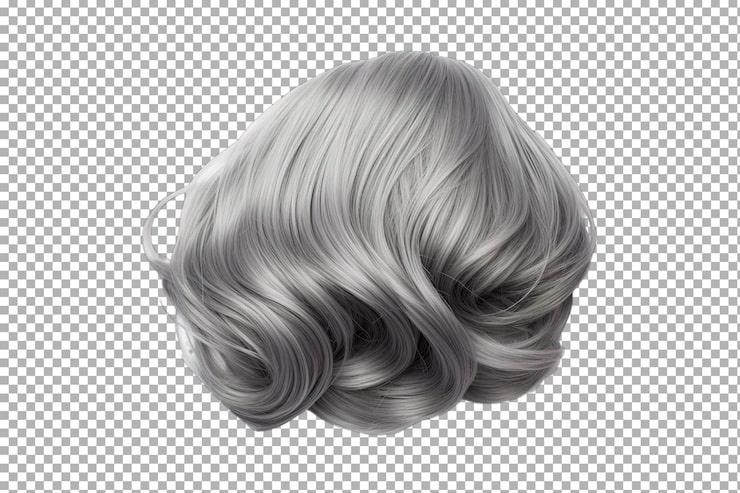
Wig cost guide: realistic expectations, savings and care
If you've ever wondered are wigs expensive you are not alone. Many people ask this simple search phrase when they start considering a wig for style, medical reasons, or convenience. The short answer is: it depends. This in-depth guide explores price ranges, the variables that drive cost, affordable alternatives, maintenance tactics to lower lifetime expense, and practical buying advice. Throughout the article the key question are wigs expensive will be addressed from multiple angles so you can make a confident decision without surprises.
Are wigs expensive? Quick overview
Wigs can range from under $20 for basic synthetic options to several thousand dollars for bespoke human-hair creations. Asking are wigs expensive without context is like asking whether cars are expensive — it depends on the model, materials, labor and how long you expect it to last. A budget synthetic wig may cost $30–$150 and last several months with regular wear; a mid-range human hair wig can be $300–$1,200 and last 1–3 years with proper care; premium, custom hand-tied wigs or lace-front human-hair pieces can cost $1,500–$10,000 or more.
Typical price bands and what they mean
- Budget synthetic ($20–$150): ready-made, less realistic fiber, minimal styling options, good for short-term use or costume wear.
- Quality synthetic ($80–$400): heat-friendly fibers, better texture and light-reflection, improved caps, more styles pre-made.
- Entry-level human hair ($200–$600): real hair, can be heat-styled, more natural movement, typically machine-made cap.
- Mid-range human hair ($600–$1,500): higher-quality hair (often Remy), strong color integrity, better cap construction like lace front.
- Premium/custom human hair ($1,500–$10,000+): hand-tied, bespoke fit, single-donor remy hair, full-lace constructions, long lifespan and repairable.
Why this range exists
The most important factors that answer the question are wigs expensive are materials, labor, brand reputation and customization level. Human hair costs more than synthetic fibers because of sourcing and complexity in production. Hand-tied knots and lace fronts are labor intensive and elevate price. Custom color matching, scalp-like parts, and measured caps add further cost. Even shipping, import duties and local taxes impact the final price you pay.
Key variables that determine price
- Material: human hair vs synthetic — human hair typically costs 3x–20x more depending on quality.
- Construction: hand-tied, machine-made, lace front, monofilament — each option affects comfort and realism and therefore price.
- Hair length and density: longer, thicker wigs require more hair and more work; expect prices to rise significantly with length beyond shoulder level.
- Coloring and processing: pre-colored, high-fashion shades and balayage techniques add labor costs.
- Customization: custom-fitting, medical-grade caps, and bespoke styling increase costs but improve longevity and comfort.
These variables help explain why many people ask are wigs expensive when first shopping: the same wig style can sit in multiple price ranges depending on how these factors are combined.
How to evaluate true cost: price per wear and lifetime value
Focusing solely on purchase price can make mid-range or premium wigs seem expensive. A smarter metric is price per wear. For example, a $100 synthetic wig worn 100 times results in $1 per wear. A $800 human hair wig worn 800 times results in $1 per wear — but it likely looks more natural and accepts heat styling. Longevity, repairability and how often you rotate wigs alter this calculation. To judge if are wigs expensive in your case, estimate realistic wear frequency and maintenance costs (professional styling, products, occasional repairs).
Maintenance and lifetime costs

Maintenance matters. Synthetic wigs often require less frequent professional attention but can't be restyled with high heat. Human hair wigs need specialized shampoos, conditioners, occasional salon appointments and careful storage to preserve investment. Annual maintenance costs for a human-hair wig may range from $50–$300 depending on service frequency. Factor these into your budget to get a true sense of whether are wigs expensive compared to alternatives like regular salon color and extensions.
Affordable alternatives and creative solutions
If the headline question in your head is are wigs expensive and the price tags feel intimidating, consider these cost-saving alternatives:
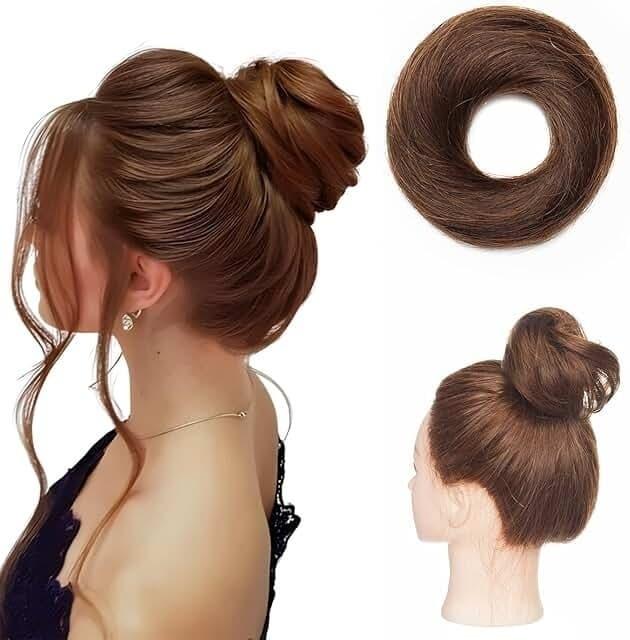
- Half-wigs and toppers: ideal if you have some natural hair and need volume or coverage only at the crown; prices often range $80–$500.
- Clip-in extensions
 : blend with natural hair for added length and volume; upfront cost is lower and reusable.
 - Head scarves, turbans and hats: stylish and budget-friendly options for temporary coverage or medical hair loss.
- DIY customizations: trimming, texturizing and minor color adjustments by a trusted stylist can refresh a wig inexpensively.
- Wig rental: perfect for one-time events — bridal, photoshoots or performances — and much cheaper than buying.
Where to find affordable, quality options
Look beyond the price tag: online specialist retailers, local wig boutiques, medical supply companies, salons with wig services, and reputable marketplaces all offer different balances of price and quality. Buying from a salon might seem costlier, but services like fitting and minor adjustments can save money long term. Many sellers also offer payment plans, second-hand resale, or trade-in programs that reduce upfront expense. A used but well-maintained human-hair wig can be an excellent bargain — just confirm the return policy and examine photos carefully.
Practical tips to save money without sacrificing appearance
- Buy a versatile base color and use clip-in highlights for seasonal changes.
- Rotate two mid-range wigs to extend lifespan versus wearing one daily.
- Learn basic home care: gentle washing, air-drying on a wig stand, and low-heat styling for heat-friendly fibers.
- Choose wigs with adjustable straps and breathable caps for comfort, reducing need for costly customizations later.
- Consider starter synthetic wigs for trend experimentation before investing in an expensive human-hair piece.
How to negotiate and what to ask
When shopping, ask about hair origin, cap construction, return policy, warranty period and recommended care. For custom work, request a quote breakdown: labor, hair, lace, shipping, taxes. Many retailers will price-match or price-adjust if parts of the wig (like lace front) are standard. These conversations help you understand why are wigs expensive in certain shops and whether the premium is justified.
Care and repair tips to maximize lifespan
Proper care radically changes cost-effectiveness. Follow these guidelines to make a wig last longer and bring down your effective price per wear:
- Storage: keep wigs on a stand away from sunlight and dust; a silk bag prevents tangling.
- Washing: use products specifically designed for wigs; over-washing shortens life.
- Detangling: use a wide-tooth comb for synthetic wigs and a soft brush for human hair; start at tips and work upward.
- Heat styling: only heat-style heat-resistant synthetic wigs at recommended temperatures; human hair can be styled but use heat protectant.
- Professional servicing: occasional reshaping or re-lace-fronting can salvage an expensive wig and delay replacement.
Minor repairs you can do at home
Replacing elastic straps, restitching a small seam, or trimming the fringe are low-cost repairs. For lace repairs consider a reputed stylist — proper lace work preserves value. These small fixes improve value and change how you answer the question are wigs expensive once you factor in repair instead of replacement.
Shopping checklist: ensure value for money
Before you buy, tick the following boxes to make sure the purchase is a worthwhile investment:
- Confirm cap size and adjustability.
- Ask for high-resolution photos or samples of the hair.
- Check the return policy and warranty.
- Verify whether styling/alteration costs are included or extra.
- Read reviews and seek before/after photos from other buyers.
Cost-per-wear examples
Two quick scenarios to illustrate how initial price and longevity affect perceived expense: Scenario A: $120 synthetic wig, 12 months of regular use (estimated 200 wears) = $0.60 per wear. Scenario B: $900 human-hair wig, 3 years of regular use (estimated 900 wears) = $1.00 per wear. Despite higher upfront cost, the human-hair wig may be the better long-term value for someone who prioritizes realism and heat styling — demonstrating that simply asking are wigs expensive without context misses the full picture.
Common misconceptions and realistic expectations
Myth: All expensive wigs look better. Reality: Construction and hair quality matter more than brand; a mid-range Remy human-hair unit with good craftsmanship often outperforms an overpriced mass-produced wig.
Myth: Synthetic is always cheap. Reality: High-quality heat-resistant synthetics with lace fronts can command premium prices and excellent realism.
Medical wigs and insurance
If you need a wig for medical reasons (e.g., chemotherapy-related hair loss), check local healthcare policies, nonprofit wig programs, and insurance coverage. Many regions offer partial or full reimbursement for medically necessary cranial prostheses which can dramatically change whether you consider are wigs expensive relative to out-of-pocket costs.
Summary and final considerations
Answering the question are wigs expensive is not a simple yes or no. Wigs are an investment with a wide spectrum of price and value. Evaluate total cost of ownership — initial purchase price, maintenance, repairs and price per wear — to determine true affordability. Consider alternatives like toppers or rentals if upfront cost is a barrier. For many buyers, a thoughtful mid-range purchase plus proper care delivers the best balance of realism, comfort and long-term cost-effectiveness.
If budget is a concern start with a quality synthetic for experimentation, and upgrade later once you know preferred style and color; this staged approach reduces the risk of overpaying for a look you won't keep.
Helpful resources and next steps
- Compare multiple sellers and request cap measurements.
- Trial synthetic options to test texture and color before committing to human hair.
- Budget for professional adjustments after purchase — a small cut by a stylist can make any wig look more natural.
Ultimately, the question are wigs expensive depends on choices, expectations and how you measure value. With the right information you can find options that suit both your budget and your lifestyle.
Frequently Asked Questions
Q: Are human hair wigs worth the cost?
A: For people who want the most natural look and plan to wear their wig frequently, human hair wigs are often worth the higher cost because they offer longevity, styling versatility and repair options that extend lifespan and improve price per wear.
Q: How can I make a wig last longer?
A: Proper storage, gentle cleansing with wig-specific products, limited heat exposure, and occasional professional servicing increase lifespan. Rotating between two wigs also reduces wear and extends both of their usable lives.
Q: Can I get a high-quality wig on a budget?
A: Yes. Look for gently used human-hair wigs from reputable sellers, try well-reviewed quality synthetic brands, consider toppers, or use payment plans and local assistance programs when medical need applies.
Related products
Blog
- Discover where do wigs come from and the surprising journey from donor hair to premium synthetic styles
- Expert Tips and Top Stores answering where can i purchase a wig for the Best Fit and Value
- how much does wig glue cost in 2025 — price ranges, brand comparisons and money-saving tips
- how to straighten a curly wig at home step by step for silky smooth results
- Find Top wig stores Online for Natural Looks, Budget Picks and Pro Styling Tips
- why does dolly parton always wear wigs — Inside the surprising reasons, routine and myths behind her signature look
- can you wash a synthetic wig with regular shampoo Practical step-by-step guide to keep fibers soft and tangle-free
- did bella wear a wig in eclipse - answers, stylist notes and scene by scene evidence