
Why does lyle menendez have a wig and what it reveals about identity and courtroom optics
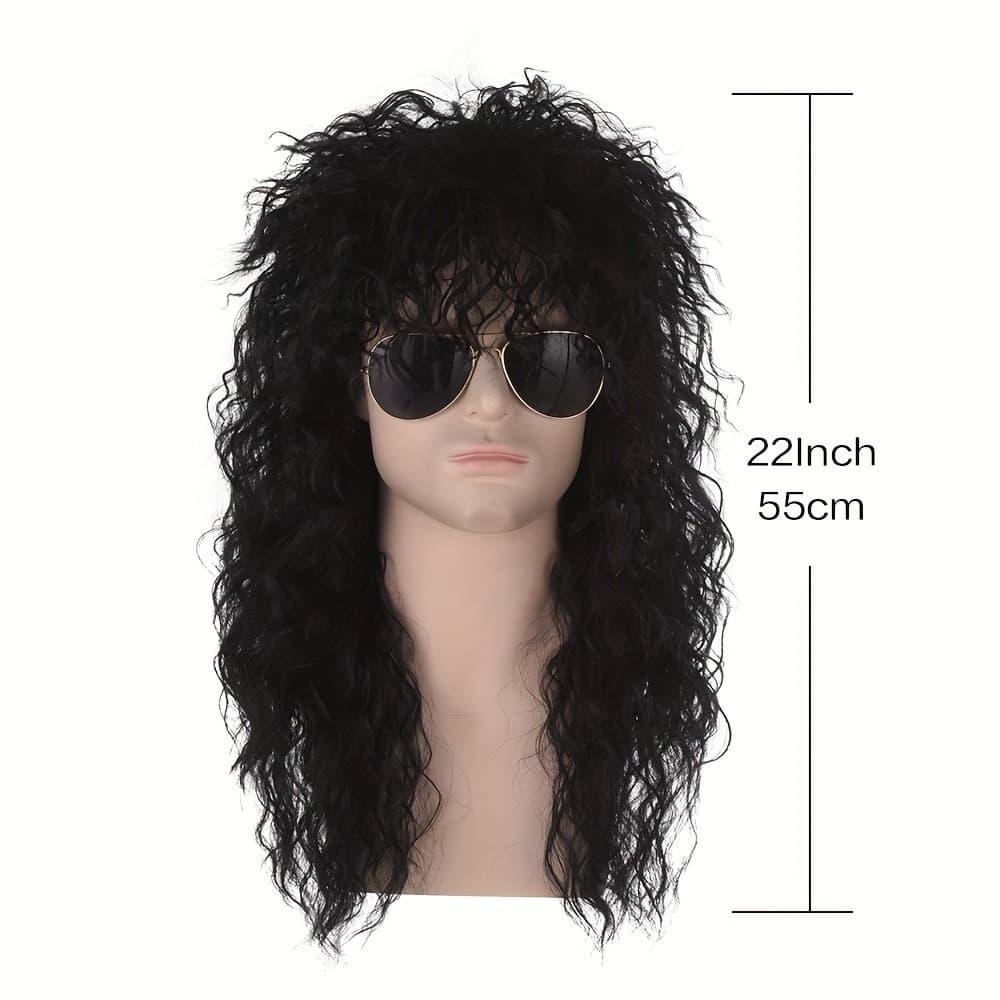
Courtroom Appearance, Hair Choices, and the Story Beyond the Surface
The question many people quietly ask while watching trial coverage is often phrased succinctly as why does lyle menendez have a wig? This inquiry sits at the intersection of personal identity, health, media optics, and legal theater. Exploring that single question opens up a broader conversation about how defendants manage image, how hair functions as a social signal, and how small styling decisions can shape public perception during high-stakes legal proceedings.
Context and background
To understand the significance of why does lyle menendez have a wig, it's useful to step back and consider the context. Court appearances are uniquely public moments: cameras, reporters, and the public can transform private struggles into broadcasted narratives. Throughout history, defendants and public figures have used clothing, grooming, and accessories strategically to convey seriousness, remorse, authority, or vulnerability. Hair is a particularly potent element of that signaling system.
Hair, health, and personal choice
One practical reason behind wearing a hairpiece can be medical. Treatments such as chemotherapy, alopecia areata, or other conditions can lead to noticeable hair loss. For some people, a wig becomes a private solution made public by the courtroom setting. In other cases, men and women choose hairpieces to preserve a consistent public image. In considering why does lyle menendez have a wig, viewers should weigh medical privacy alongside intentional presentation decisions.
Optics: Why appearance matters in court
Appearance does not determine guilt, but it shapes impressions. Social science research shows that jurors and observers respond to cues like grooming, attire, posture, and hair. A dignified, orderly appearance can subtly influence perceptions of credibility and respectability. For a defendant, managing such signals is a strategic move; thus, when a public figure appears with a hairpiece, eyewitnesses and commentators naturally ask why does lyle menendez have a wig, because that small detail can recalibrate how the narrative is read by the public.
Image management and legal strategy
Defense teams and image consultants understand that trials are not purely legal contests but also battles for public narrative. Choosing a hairpiece can be a deliberate tactic: it can avoid distractions, create an aura of composure, and prevent questions that might otherwise distract jurors and media from core legal arguments. When observers ask why does lyle menendez have a wig, part of the answer may be that managing appearance helps the legal team keep focus on facts, not fashion.
A single visual detail can shift conversation from evidence to image — which is why defendants and their teams are careful about presentation.
Media amplification and the spectacle of trial
Modern trials are mediated events. Social media snippets, televised footage, and 24/7 commentary mean that minute details become enduring images. The presence of a hairpiece can become a headline, a meme, or a talking point. That amplification drives curiosity and fuels questions like why does lyle menendez have a wig. Media coverage often simplifies complex personal choices into soundbites, which is why understanding the broader dynamics is crucial for thoughtful analysis.
- Public curiosity: hairpieces evoke curiosity because they are visible alterations to identity.
- Speculation: without context, observers may speculate about health, vanity, or deception.
- Narrative control: the defense may use consistent styling to prevent sensational pivots in coverage.
Identity, masculinity, and stigma
For many men, hair is entwined with cultural ideas about masculinity and vitality. Hair loss can carry stigma, and the decision to wear a wig can be an attempt to resist that stigma or to reclaim an image of normalcy. Answering why does lyle menendez have a wig therefore touches on gendered expectations and how men navigate vulnerability in very public spaces. Some choose to reveal medical struggles; others prefer to manage their privacy and control the narrative.
Psychological aspects and self-presentation
Wearing a hairpiece can also be empowering. People often report feeling more confident and less anxious when they present themselves in a way that aligns with their self-image. In the claustrophobic environment of a courtroom, that confidence can matter for testimony delivery, body language, and the overall demeanor perceived by observers. Thus, why does lyle menendez have a wig can be read as a question about self-preservation under scrutiny.
Historical and cultural precedents
Public figures have long used wigs or hairpieces: from actors to politicians. In some eras wigs were normative; in modern settings they are exceptions that attract attention. The curiosity behind why does lyle menendez have a wig is partly because today’s audiences expect transparency and authenticity from public figures, so an unexpected choice becomes newsworthy.
Legal implications and courtroom rules
Courts generally allow reasonable personal appearance choices so long as they do not obstruct identification or court decorum. A wig does not impede legal process, but it can become fodder for cross-examination if opposing counsel wants to suggest concealment or artifice. That dynamic means counsel must weigh the advantages of image control against potential risks of drawing attention to the choice. Hence, the question why does lyle menendez have a wig can have tactical dimensions as much as personal ones.
What the choice reveals about broader social dynamics
When a publicized trial prompts questions like why does lyle menendez have a wig, it reveals how our culture reads physical appearance as moral or psychological evidence. This tendency can obscure more substantive issues — the facts of the case, legal standards, and the human complexity behind every defendant. Understanding the reasons behind appearance choices encourages more compassionate and nuanced public discourse.
To unpack the phenomenon, consider multiple lenses:
- Medical: health issues and treatments can necessitate hairpieces.
- Presentation: a consistent look helps control narrative flow.
- Psychological: preserving self-esteem in stressful settings.
- Strategic: defense teams consider optics when advising clients.
- Cultural: hair carries social meanings that influence perception.
How journalists and audiences should approach such questions
Responsible coverage balances curiosity with respect. Instead of reducing identity to spectacle, journalists can contextualize choices and avoid sensationalizing private medical matters. When viewers encounter headlines asking why does lyle menendez have a wig, they should consider that the reality might include personal health, strategic presentation, or a combination of both. Thoughtful inquiry respects privacy while acknowledging the public's interest.
Practical takeaways for observers
For readers and viewers trying to make sense of visual cues in trials:
- Avoid jumping to conclusions based on appearance alone.
- Consider possible medical explanations before assuming deception.
- Recognize that image management is an established part of legal strategy.
- Seek reporting that provides context rather than mere speculation.
When you next wonder why does lyle menendez have a wig, remember that a hairpiece is rarely a simple accessory in a high-profile case; it is part of a careful set of decisions made under intense pressure.
Conclusion
The short question why does lyle menendez have a wig opens a long conversation about dignity, strategy, and the politics of appearance. Whether the answer lies in health concerns, image strategy, or a personal desire for normalcy, the presence of a hairpiece in the courtroom forces us to confront how easily surface-level cues become proxies for deeper judgments. A mindful approach to such questions helps preserve fairness: focusing on evidence and legal arguments rather than defaulting to persona-driven narratives.
Further reading and resources
Readers interested in the intersecting topics of courtroom optics, media framing, and health disclosures can consult scholarly work on jury perception, books on media law, and reliable reporting that respects medical privacy.
FAQ

Q: Is wearing a wig in court legal?
A: Yes. Wearing a wig is generally legal; courts permit reasonable personal presentation unless it obstructs identification or interferes with proceedings.
Q: Does a hairpiece affect jury opinions?
A: Visual cues can subtly influence juror impressions. While a hairpiece does not change facts, it can affect perceived confidence or credibility in some observers.
Q: Should media outlets report on a defendant’s wig?
A: Responsible outlets should provide context and avoid sensationalism, especially if the choice relates to medical privacy.
Related products
Blog
- how to fix halloween wig fast at home with easy DIY repairs and simple styling tricks
- how to make synthetic wigs less frizzy with 8 pro fixes for silky natural-looking hair
- how to clean a synthetic wig with gentle methods for tangle-free shine and longer wear
- do british barristers still wear wigs - how tradition survives and what recent reforms mean
- a & a wig and hairpiece supplies corporation - Your Trusted Source for Premium Wigs and Expert Styling Tips
- do you wash wigs - step-by-step cleaning tips, drying methods and care mistakes to avoid
- how long does a synthetic wig last A 2025 guide to typical lifespan, care tips and when to replace
- does kristen kirchhaine wear a wig 7 Photo Clues, Stylist Insight and What Fans Are Saying