
why do uk courts wear wigs and how this centuries old tradition still shapes courtroom authority
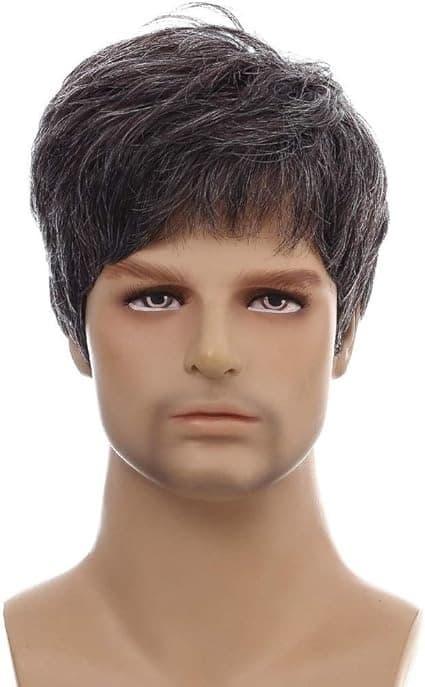
Understanding a Persistent Courtroom Costume: Why the Tradition Endures
Every legal system develops rituals and uniforms that communicate authority, professionalism and continuity. One of the most visually striking of these is the practice of wearing wigs in UK courtrooms. In this extensive exploration we will address the central question, why do uk courts wear wigs, while unpacking layers of history, symbolism, procedural function and contemporary debate. The aim is to provide a richly detailed, SEO-aware, and reader-friendly analysis that helps explain not just the origins of the practice but also how this centuries-old custom continues to shape perceptions of judicial authority today.
Historical Origins: From Fashion to Formality
To understand why do uk courts wear wigs, one must travel back to the 17th century when wigs became fashionable among European elites. The Restoration era under Charles II popularised periwigs as a symbol of status and civility. Judges and lawyers — eager to reflect social standing and to align with royal decorum — adopted wigs as part of professional attire. Over time what began as high fashion evolved into a symbol of impartiality, formality and an institution’s continuity beyond any single era or personality.
Key historical moments
- Late 1600s: Wig adoption by the legal profession mirrored aristocratic fashion.
- 18th–19th centuries: Wig styles standardized; full-bottomed wigs for judges in ceremonial contexts, shorter "bob-wigs" or "peruke" for barristers and advocates became common in daily practice.
- 20th century reforms: Some jurisdictions simplified court dress but many retained wigs for specific hearings to preserve tradition and decorum.
Symbolism and the Visual Language of Authority
The question why do uk courts wear wigs cannot be answered purely in practical terms; much of the rationale is symbolic. A wig signals that the wearer is part of an institution that predates living memory, making the courtroom a space where law, not personality, governs. It also helps depersonalize individuals, emphasizing the role over the person and implying continuity, anonymity and the rule of law.
"Wig-wearing in court is a conscious expression of institutional memory and legal gravitas," legal historian commentary often notes.
Roles signalled by wigs
- Judges: ceremonial status, permanence, authority.
- Barristers: counsel's role, advocacy within formal bounds.
- Clerks and ceremonial officers: support roles visualised through variant dress.
Practical Reasons and Courtroom Mechanics
Practicalities also played a role in the original uptake of wigs and continue to influence debates about their retention. In earlier centuries wigs conferred protection from lice and sheltered hair from soot in smoky urban environments. In contemporary settings the practical advantages are negligible, but wigs retain procedural functions:
- Formal identification of roles—it's clear who speaks for the court and who represents the parties.
- Visual consistency—uniform dress minimizes distractions and presents a controlled environment conducive to solemn proceedings.
- Psychological separation—wigs help both participants and observers adopt a mindset of legal formality and restraint.
How Wigs Shape Courtroom Authority and Perceptions
The visual impact of wig-wearing has measurable psychological effects. Research into uniforms and authority suggests that formal attire increases perceived legitimacy and compliance. In courtrooms, the wig amplifies this effect: it creates a visible hierarchy, signals tradition and triggers social cues associated with respect and deference. When askable in modern SEO terms, this is a central facet of why do uk courts wear wigs—the practice actively constructs judicial authority through clothing.
Variations Across Contexts and Modern Reforms
Not every UK jurisdiction treats wigs identically, and internal reforms over the past century have been responsive to social change and criticism. While some types of hearings still require full dress (including wigs), many courts have relaxed requirements for everyday civil matters, family cases or less formal tribunals. This partial retention highlights a pragmatic approach: preserve wigs where they materially contribute to the dignity of proceedings, relax them where they impede justice or accessibility.
Contemporary policy trends
- Criminal court advocacy: in many places wigs remain common, particularly at higher courts or Crown Court sessions.
- Civil and family courts: increasing relaxation to lower formality and reduce intimidation for lay parties.
- District and magistrates' courts: variable practices depending on local tradition and judicial discretion.
Criticism and the Case for Modernization
Questions about equality, colonial legacy and public accessibility feed into criticism of wigs. Some argue that wigs perpetuate elitism and alienate defendants and jurors. Others see them as relics of a class-based legal culture that should be abolished in favor of a more relatable and inclusive judicial image. These debates are central to the ongoing discourse on why do uk courts wear wigs—do wigs protect impartiality or propagate outdated hierarchies?
Arguments commonly advanced against wigs
- Perceived elitism and inaccessibility.
- Costs for maintaining and replacing wigs and associated dress.
- Potential to intimidate witnesses or litigants, undermining participatory justice.

Pro-reform voices
Legal reformers, human rights advocates and some judges support selective abolition or modernization of court dress codes. They propose alternatives such as simplified robes, name badges, or complete removal of wigs for non-ceremonial proceedings.
Comparative Perspectives: How Other Systems Dress Their Judges
Comparing the UK practice with other jurisdictions sheds light on cultural specificity. Civil law countries often favour plain black robes without wigs; some Commonwealth countries have retained wig use while others scrapped them as part of post-colonial legal modernization. This global diversity helps explain the unique mixture of continuity and reform in UK practice and offers lessons for policymakers debating why do uk courts wear wigs in a contemporary context.
Notable international variations
- Australia: mixed practices across states; some jurisdictions retained wigs in limited contexts.
- Canada: largely abandoned wigs at the federal level, though some vestigial forms remain.
- Caribbean and African nations: selective retention reflecting colonial legal heritage and local preferences.
Practicalities of Wig Maintenance and Production
For those curious about the tangible side of why do uk courts wear wigs, wigs are crafted from horsehair or human hair, often powdered in traditional styles. Specialist wigmakers maintain a small artisan industry with bespoke repairs, cleaning and storage. These practical elements contribute to the cultural weight of the wig: it is not merely symbolic but an object with craft heritage and economic implications.
Psychological Dynamics and Courtroom Behaviour
Wigs affect behavior in subtle ways. Wearing a professional uniform can influence the wearer’s conduct—experiments in social psychology show that uniforms can heighten feelings of responsibility and authority. In litigation, this means judges and advocates may internalize the gravitas of their roles more readily when robed and wigged, potentially affecting decisions, tone and courtroom decorum. Conversely, for lay participants, the wig can be intimidating and alienating; balancing these effects is part of modern courtroom reform deliberations.
Balancing Tradition and Access: Policy Considerations
Policymakers weighing the future of wigs must consider multiple objectives: preserving institutional legitimacy, encouraging public confidence, ensuring equal access and reducing unnecessary barriers to participation. When assessing why do uk courts wear wigs, a pragmatic recommendation is incrementalism: retain wigs in ceremonially important or highly formal contexts while offering exceptions and alternatives in everyday litigation to promote accessibility and fairness.
Potential policy pathways
- Hybrid rules: wigs retained for appellate hearings and ceremonial occasions, optional in lower courts.
- Contextual discretion: judges decide on wigs based on the sensitivities of the parties and the type of hearing.
- Public consultation and phased reforms: test changes in pilot courts and evaluate impacts on public perceptions and litigant comfort.
Communication, Media and Public Perception
High-profile images of robed judges and wigged barristers shape public impressions of justice. Media coverage frequently uses the imagery of wigs to convey formality or to dramatize trials. This symbolic power reinforces why the question why do uk courts wear wigs remains relevant: visual culture and public trust intersect, with attire functioning as shorthand for legitimacy. But that shorthand can become counterproductive if it alienates large segments of the public or obscures the substantive fairness of proceedings.
Future Scenarios: Retention, Reform or Abandonment?
Predicting the future of wigs requires balancing tradition and reform. Several plausible scenarios exist: full retention of traditional dress in core courts, selective relaxation with greater accessibility, or gradual abandonment in favor of standardized modern robes. Each option carries trade-offs for institutional memory, public confidence and practical justice delivery. The continuing debate itself speaks to the importance of the question why do uk courts wear wigs, as it encapsulates broader tensions between heritage and modern values.
Key considerations for future change
- Empirical evaluation: measure effects on public trust and courtroom behavior before sweeping changes.
- Cost-benefit analysis: consider cost savings against potential loss of symbolic capital.
- Inclusivity: ensure reforms enhance the court’s approachability for vulnerable participants.
Conclusions: Tradition with Reasoned Purpose
In summary, the persistence of wigs in UK courts is multi-dimensional. The question why do uk courts wear wigs cannot be answered by a single cause; it is a convergence of history, symbolism, practicality and psychology. Wigs serve as visual anchors for authority, provide role clarity, and signal procedural gravity. At the same time they can be perceived as archaic or exclusionary, and modern reforms reflect a desire to fit courtroom practices to contemporary norms of equality and accessibility. The most constructive path forward involves careful, evidence-based reform that preserves the salutary aspects of tradition while removing barriers where they impede justice.
Practical takeaways
- Wigs are historical artifacts that became institutional markers of authority and impartiality.
- They influence behaviour and perception, reinforcing respect for judicial processes.
- Reform is possible and already underway in parts of the system, balancing dignity with accessibility.
Whether one favors retention or reform, the conversation about wigs touches at the heart of legal culture: how a society symbolizes law, authority and public trust. The question why do uk courts wear wigs therefore opens a broader dialogue about the values a justice system wishes to convey and protect.
FAQ
Q: Are wigs still worn in all UK courts?
A: No. Practices vary by court type and jurisdiction; wigs are more common in higher courts and certain criminal proceedings, while many civil and family hearings have relaxed the requirement.
Q: Do wigs make the justice system fairer?
A: Wigs are more closely associated with perceived impartiality and authority than with substantive fairness. They may enhance legitimacy in some contexts but can also create barriers for vulnerable participants; thus fairness depends on context and implementation.
Q: Could wigs be replaced by modern alternatives?
A: Yes. Many reforms propose simplified robes, badges or other neutral markers of office that preserve dignity while increasing approachability.
Related products
Blog
- does donna mills wear a wig Uncovered in Photos and Expert Commentary on Her Iconic Hairstyles
- does jaclyn smith wear a wig — the real story with photos, hairstylist insight and a timeline
- Complete guide to how to make wig from own hair with step-by-step photos and budget tips
- Ultimate Buying and Styling Guide for Honey Blonde Bob Wig to Achieve a Natural Chic Look
- does lyle wear a wig - 7 signs, expert takes and fan theories explained
- does kapil sharma wear wig - Verified Evidence, Photos and Fan Reactions
- how to make a cheap wig look good with 10 budget-friendly styling tricks for a natural finish
- why does molly tuttle wear a wig - inside the stage style and practical reasons behind her choice