When people ask what is monofilament wigs they are seeking clarity about a construction method that affects realism, comfort, and styling versatility. Monofilament refers to a fine, breathable mesh layer at the crown or throughout a wig cap where individual hairs are hand-tied, creating the illusion of natural growth from the scalp. This page explains the technology, compares it to lace and traditional caps, provides practical styling tips, outlines pros and cons, and shares detailed care advice so you can make confident choices and maintain longevity. Whether you're exploring hairpieces for everyday wear, medical reasons, or fashion, understanding what is monofilament wigs helps you match expectations to performance.
The term monofilament describes a single-threaded, sheer base that gives a three-dimensional depth to the hairline or part area. Each fiber is individually knotted into the mesh, enabling movement and a realistic part. Unlike machine-wefted caps where hair emerges from a sewn track, monofilament allows hair to lay in different directions , making parting and styling feel more natural. On close inspection, monofilament can mimic the tiny follicles and irregularities of a real scalp without obvious knots or bulk, especially when paired with ventilated or hand-tied techniques.
There are several variations: full monofilament caps, which use the sheer base across the entire crown; partial or top monofilament, which covers only the part and crown area; and combination caps that mix monofilament with machine-made wefts for durability and cost control. When answering what is monofilament wigs it's helpful to note that your needs—budget, frequency of wear, and styling goals—determine which style is best.
The advantages are numerous and the phrase what is monofilament wigs often surfaces in buyer searches because consumers pursue a balance of natural appearance and ease of use. Key benefits include:
No solution is perfect. Addressing the question what is monofilament wigs also requires acknowledging common trade-offs:
When pondering what is monofilament wigs for your personal use, evaluate these practical factors:
Part of smart ownership is knowing how to style without damaging the structure. The central concern when thinking about what is monofilament wigs is that the knots and mesh should not be stressed by over-manipulation. Recommended styling tips include:
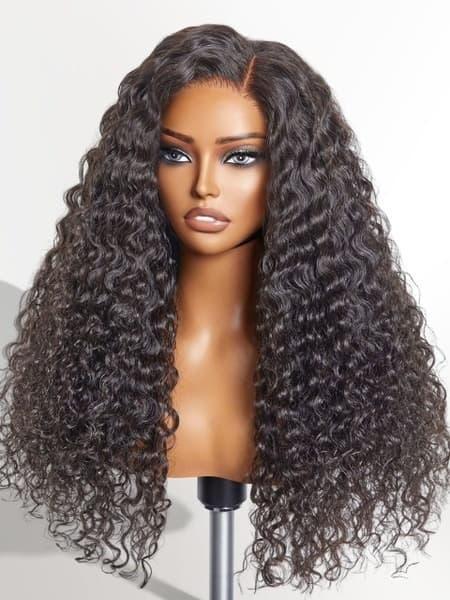 Tailor cutting and layering by a stylist experienced with wigs to avoid exposing cap edges while enhancing natural movement.
Among the most common search intents behind what is monofilament wigs are “how to care” and “how long will it last.” Proper maintenance extends life and preserves appearance:
Comfort matters, especially for medical wearers; the best response to the question what is monofilament wigs will stress fit and softness. Consider padded wig liners, breathable caps under larger wefts, and alternating styles to reduce constant friction in one area. Choose caps with adjustable tabs to keep pressure moderate and consistent.
To fully grasp what is monofilament wigs in relation to other constructions, here’s a concise comparison:
When shopping and asking what is monofilament wigs, balance cost vs. usage. For everyday wearers seeking maximum realism, investing in quality monofilament pays off in confidence and reduced detection. For occasional use or budget constraints, a hybrid cap with a top monofilament part may deliver the best compromise.
Monofilament wigs respond well to color play because the hand-tied hair and realistic scalp reduce mechanical-looking transitions. Ask your vendor about pre-colored bases and custom shading near the part for unmatched realism. Remember that dyeing human hair wigs should be done by experienced professionals to protect the monofilament base.
For busy lifestyles, pack a small wig brush, a satin scarf, bobby pins, and a mini styling spray. If you notice slight tangling near the base, avoid aggressive pulling; instead, apply wig conditioner and gently smooth. Small clear elastics can keep layers in place for short periods without stressing the cap.
Monofilament materials are generally breathable and reduce sweat buildup. For those with scalp sensitivities, hypoallergenic monofilament fabrics and silicone-free adhesives reduce irritation. If you have a condition that affects skin integrity, consult a healthcare provider about adhesive use and cleaning routines before committing to a particular wig type.
When searching “what is monofilament wigs” you will encounter numerous online retailers. If buying online, request detailed photos of the inside cap, part area, and close-ups of the monofilament to verify quality. In-person fittings let you test fit, assess comfort, and see movement in natural light—valuable for first-time buyers.
Use this quick checklist to preserve value:
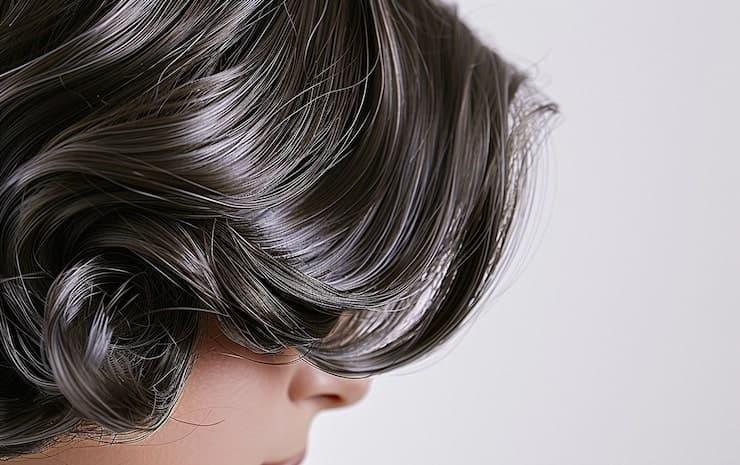
Answering the core concern what is monofilament wigs boils down to appreciating an approach that prioritizes natural-looking parting, comfort, and styling flexibility. Whether you choose human hair or synthetic, full or partial monofilament, matching construction to lifestyle and care routines yields the best results. A well-informed purchase combined with deliberate maintenance makes monofilament a top option for those who value authenticity and longevity in a wig.
If you want the next level of confidence before purchasing, request a consultation with a certified wig specialist, and ask for a demonstration of parting options and close-up inspection of the monofilament. This hands-on review directly addresses any remaining questions about what is monofilament wigs and helps you choose color, density, and cap size tailored to your needs.
Final practical note: if you experience discomfort or notice unusual wear in the mesh, stop using adhesives and seek professional assessment to protect both your scalp and the cap.