
what does the term wig mean - demystified with examples slang care tips and cultural context
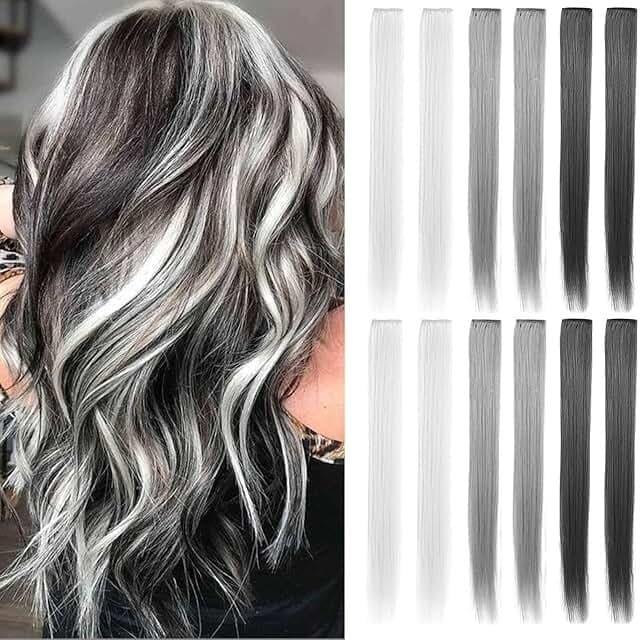
Understanding and Using the Word what does the term wig mean: A Comprehensive Guide
The phrase what does the term wig mean is increasingly searched by people curious about modern slang, cultural shifts, and practical styling meanings. In this extensive resource you'll discover clear definitions, varied contexts, pop culture references, usage examples, care tips, buying advice, and thoughtful cultural perspectives that help explain how the expression functions in contemporary speech and lifestyle conversations.
First, let's define the core sense: at its most literal, a wig is a hairpiece worn to cover the head for fashion, cosmetic, theatrical, or practical reasons. But when users ask what does the term wig mean today, they are often referring to slang uses that have evolved from this literal object into expressive, emotional, and identity-related meanings. This guide separates literal and figurative uses, provides illustrative examples, explains care and selection techniques for actual wigs, and contextualizes the term within social and cultural dialogues.
Literal Definition: Hairpiece Basics
A wig in the conventional sense is a removable covering composed of synthetic fibers, human hair, or a blend of both, designed to mimic a natural hairstyle. Wigs vary by construction (lace front, full lace, machine made), fiber type (synthetic vs. human), cap size, and styling possibilities. When consumers research what does the term wig mean in product-shopping contexts, they are often trying to understand these technical distinctions to make confident purchasing decisions.
Key Types of Wigs
- Human Hair — Real hair, higher price, natural movement, can be heat-styled and colored.
- Synthetic — Pre-styled, budget-friendly, low maintenance, less heat tolerance.
- Heat-Resistant Synthetic — Middle ground allowing limited styling with tools.
- Lace Front — Realistic hairline, popular for high realism.
- Full Lace — Versatile for parting and updos, often costlier.
Selection Criteria
Factors to consider include cap size and fit, hair density, curl pattern, natural vs. synthetic fiber, scalp breathability, and intended use (daily wear, cosplay, medical reasons, theatrical use). For many readers asking what does the term wig mean practically, this section helps translate the word into consumer choices: what to buy, how to match skin tone, and how to select color and length.
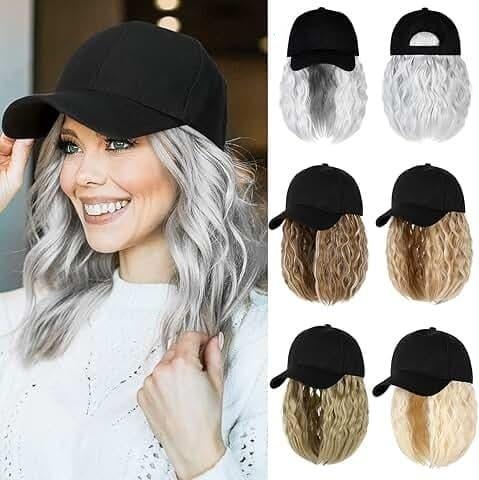
Slang and Figurative Uses
Beyond the physical object, what does the term wig mean often points to the vibrant slang usage popularized on social media and in spoken conversation. In this figurative register, "wig" can signal astonishment, admiration, or dramatic reaction. Phrases like "wig snatched" or simply exclaiming "Wig!" convey strong emotional effect — roughly parallel to expressions such as "mind blown" or "speechless."
Common Slang Meanings and Examples
- "Wig" as an exclamation: When a surprising performance or revelation occurs, someone might comment "Wig!" to indicate being amazed.
- "Wig snatched": A hyperbolic way to say someone was so impressed or shocked that their wig was metaphorically removed; used to praise an outfit, performance, makeup look, or witty retort.
- "My wig flew off": Another playful phrase to suggest being dramatically stunned.
- "Wig moment": Refers to an instance or event that causes a strong emotional reaction.
Example sentences: "She walked on stage and my wig was snatched by the choreography," "That reveal? Wig. I'm speechless," and "When the plot twist happened, my wig literally flew." These illustrate how the object-word becomes metaphorical shorthand for intense reaction.
Why This Shift Happened
Language often repurposes concrete nouns into expressive interjections. Wigs are associated with transformations in appearance and identity — concepts that map neatly to surprise or dramatic change. Social platforms accelerate adoption; a charismatic influencer or viral clip can convert a phrase into mainstream slang almost overnight. So when someone types what does the term wig mean, part of the answer lies in how digital culture recombines tangible items and expressive language.
Styling and Care Tips for Wearable Wigs
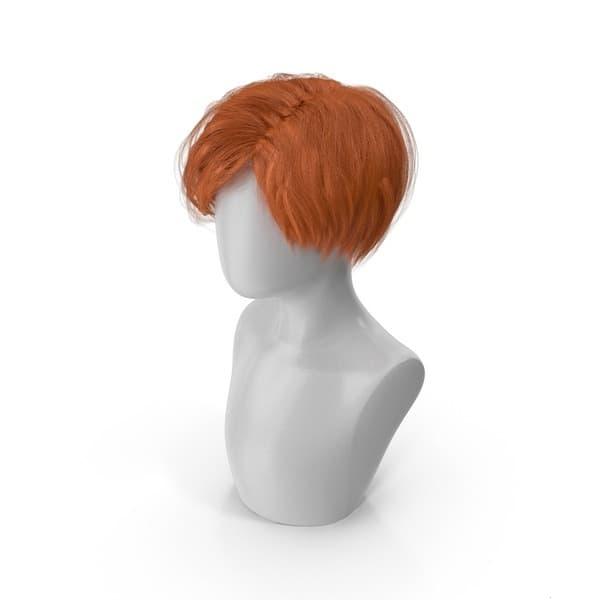
For readers interested in the wearable object, practical guidance is essential. The following care and styling tips extend the literal definition of wig into everyday routines.
Daily Care Basics
- Store wigs on a stand or mannequin to retain shape.
- Brush gently with a wide-tooth comb or wig brush, starting from ends and moving up to avoid shedding.
- Use products designed for human or synthetic hair respectively — avoid heavy oils on synthetic fibers.
- Wash wigs on a gentle cycle or by hand with mild shampoo, and air dry on a stand; avoid vigorous rubbing.
Styling Guidelines
Human hair wigs can be heat styled, but always use thermal protectant. Synthetic wigs often come pre-styled; if labeled heat-resistant, use low heat settings. Consider consulting a professional stylist for custom cutting or color blending — it helps a wig look natural and tailored to your face shape.
Cultural Context and Identity
The term wig is embedded in layered social meanings. For many communities, wigs are tools for self-expression, cultural heritage, or medical necessity. In Black hair culture, wigs, weaves, and lace-front units play roles in personal styling and historical practices related to hair politics. In theater and film, wigs facilitate character transformation. In medical contexts, wigs provide a crucial confidence boost for people experiencing hair loss due to chemotherapy or alopecia. Understanding these contexts deepens comprehension when exploring what does the term wig mean in society at large.
Representation and Respect
When discussing wigs in cultural terms, it's important to respect the lived experiences tied to hair. For instance, how hair is styled can reflect resistance or accommodation to social norms. Using the slang sense casually in mixed company can be playful, but awareness of contexts — such as medical sensitivity — encourages empathy.
Practical Buying Guide
If your curiosity about what does the term wig mean takes you to the shopping aisle, use this buying checklist to choose a product that fits your lifestyle and budget:
- Define purpose: daily wear, costume, stage, or medical use.
- Set a budget: synthetic is cheaper, human hair lasts longer with maintenance.
- Measure your head for cap size accuracy.
- Check return and exchange policies — important for fit and satisfaction.
- Read customer reviews and look for real photos to assess real-world appearance.
Budgeting and Investment
High-quality human hair wigs are an investment; consider the long-term cost including maintenance, styling, and potential professional alterations. Synthetic wigs are excellent for seasonal looks or experimental styles without the commitment.
Language Notes: Grammar and Usage
The string what does the term wig mean can function as a search query, an interview question, or a headline fragment. In colloquial speech, people often truncate the phrase into single-word exclamations — "Wig!" or "Wig snatched!" — so recognize formal vs. informal registers. If you're writing for an audience unfamiliar with slang, offer both literal and figurative definitions and label them clearly.
SEO-Friendly Tips for Writers
When creating content about what does the term wig mean, incorporate the phrase naturally in headings, meta descriptions, and early paragraphs. Use synonyms and contextual keywords like "hairpiece meaning," "slang wig," "wig snatched explanation," "wig care tips," and "wig culture" to capture related search intent. Provide structured data with lists, examples, and FAQs to improve readability and search engine performance.
Examples Across Media
Wigs appear across film, theater, music videos, and social platforms. Iconic wig moments — from glamorous red-carpet transformations to drag queens' elaborate units — contribute to the term's layered meanings. Consider how a wig in a period film signals character, while the same object in a reality show might be a tool for reinvention. These examples show why the question what does the term wig mean can lead to many valid answers depending on the lens applied.

Case Studies
- Stage and Theater: Wigs enable actors to embody time periods and personalities without permanent alteration.
- Fashion Runways: Designers use wigs to create bold aesthetics and unify runway looks.
- Social Media: Viral wig reveals and "wig transformations" often drive slang adoption and broader public interest.
Common Misconceptions
Several myths surround wigs: that they always look unnatural, that they are only for loss-of-hair scenarios, and that they require excessive upkeep. Modern manufacturing, styling techniques, and education have broken down these misconceptions — so modern users seeking clarity on what does the term wig mean should note how diverse and accessible wigs have become.
Quick Myths vs. Facts
- Myth: Wigs are painfully hot and uncomfortable. Fact: Many wigs are designed with breathable caps and adjustable straps.
- Myth: Wigs look fake. Fact: Lace-front and well-fitted human-hair wigs can be indistinguishable from natural hair.
- Myth: Only women wear wigs. Fact: Wigs are used by performers and everyday people across genders for style or necessity.
Pronunciation and Etymology
The word "wig" is short and simple in pronunciation, but its etymology goes further back; historically related to "periwig" which was a type of wig common in the 17th and 18th centuries. Recognizing history helps when answering nuanced queries such as what does the term wig mean in both modern and historical contexts.
Learning the Term for Non-Native Speakers
For learners of English, it's helpful to separate the literal and figurative senses: teach the physical object (with images and product examples) and then introduce the slang with social media clips or short dialogues. This two-track method avoids confusion and provides practical comprehension for both uses.
Accessibility and Ethical Considerations
When discussing wigs in public discourse, be mindful of affordability and access. Wigs can be crucial for dignity and identity, and responsible coverage acknowledges medical needs and the socioeconomic factors that affect access to premium products. Those asking what does the term wig mean in an advocacy or policy context should include perspectives of patients, costume professionals, and communities for whom hair is culturally central.
Practical Maintenance Checklist
Reference this compact checklist when you own or care for a wig:
- Detangle before and after wear with a gentle tool.
- Wash infrequently — only when product buildup occurs, typically every 10-20 wears for synthetics, more often for active human-hair use.
- Use dedicated wig stands and breathable storage bags.
- Trim or re-style only with proper tools or a professional.
- Replace synthetic wigs every 6-12 months with regular use; human hair can last longer with care.
How to Talk About It Politely
If you're explaining the term to others, especially in sensitive situations like medical hair loss, prefer phrases like "hairpiece," "wigs for medical support," or "hair alternatives" as needed. Avoid joking about someone's wig without permission — humor can be friendly among peers but hurtful in mixed contexts. Sensitivity supports dignity while still allowing playful slang among consenting friends.
Conclusion: Why the Question Matters
As we've unpacked, the question what does the term wig mean can be compact but carries rich meanings. It spans concrete product knowledge, linguistic evolution, and cultural significance. Whether your interest is practical (shopping, care), linguistic (slang meanings and usage), or cultural (identity, representation), understanding these layers enables clearer communication and more informed choices.
Actionable takeaways: use the literal vs. figurative distinction, consult practical buying and care sections for product decisions, and practice sensitivity when using slang in varied social settings. For content creators aiming to optimize for searches like what does the term wig mean, include structured sections, examples, and FAQs to satisfy a range of user intents.
Further Reading and Resources
Explore wig-making tutorials, trusted retailers, medical wig programs, and linguistic studies on slang adoption to expand your knowledge. Community forums, styling workshops, and theatrical suppliers also provide hands-on guidance beyond what a single article can cover.
FAQ
Q: Is "wig" only used as slang among younger people?
A: While popularized by younger demographics and social platforms, slang spreads across ages; the figurative use is recognized widely, though intensity of use varies by community.
Q: Can wigs look natural?
A: Yes. High-quality human-hair wigs and well-constructed lace-front units can appear very natural when properly fitted and styled.
Q: How often should you wash a wig?
A: Washing frequency depends on fiber type and wear: synthetic wigs typically every 10-20 wears; human-hair wigs may require more frequent care depending on styling products and activities.
Q: Is it disrespectful to joke about wigs?
A: Context matters. Among friends it may be playful; in professional or sensitive settings, avoid jokes that single out personal appearance, especially related to medical hair loss.
By reading this guide you now have a layered answer to what does the term wig mean—from literal hairpieces to expressive slang, with practical tips and cultural sensitivity to help you navigate both meanings confidently.
Related products
Blog
- where buy wigs online - Your Ultimate Shopper Guide to Styles Prices and Trusted Retailers
- Best Wig Outlet Deals Wig Outlet Reviews and Buying Guide for Quality Affordable Wigs
- do they still wear wigs in court in england - 2025 update, history and who still wears them today
- did the beatles wear wigs exploring the truth behind their famous mop top hairstyles
- did lyle menendez actually have a wig? Evidence, photos and expert analysis
- can you dye wigs? Practical how-to guide to safe coloring, techniques and care
- how to detangle a synthetic wig with ease - expert tips, gentle tools and a quick care routine
- Best Wig Tape for All Day Hold and Sensitive Skin Guide to Application and Removal