
how to keep a wig in place without glue 10 practical tips for secure comfortable all day wear

Practical guide to keeping your wig put without sticky adhesives
If you want reliable all-day hold but prefer to avoid glues, this detailed guide explores dozens of smart, safe and comfortable techniques for keeping a wig in place. Whether you're new to wigs, a seasoned wearer, or a stylist seeking dependable alternatives to adhesives, the following methods focus on mechanics, fit, gentle friction and clever accessories. Many readers search for how to keep a wig in place without glue, and this resource is optimized to answer that query with clear, practical steps, technical tips and troubleshooting ideas that work for lace fronts, full caps, synthetic and human-hair wigs alike.
Why avoid glue? common motives and benefits
Choosing to avoid traditional wig adhesive can stem from skin sensitivity, scalp irritation, time constraints, desire for reusable setups, or simply a preference for less maintenance. Non-adhesive methods maintain scalp health, reduce the risk of residue buildup, and allow for quicker wig changes. Many wearers discover that the right combination of cap, clips, straps and headbands keeps a wig secure through wind, movement and day-long wear.
Core principle: fit, friction and anchoring
Understanding the three fundamentals helps you apply specific tactics: (1) a well-fitting base that matches your head circumference; (2) friction or textured surfaces that reduce slipping; (3) mechanical anchors such as clips, pins or sewn-in elastic that attach to natural hair or a wig cap. When combined, these variables deliver the kind of reliable hold many wonder about when searching for how to keep a wig in place without glue.
Tip 1 — start with the right wig cap
The foundation matters. Use a snug, breathable wig cap to compress natural hair and create a smooth surface. Caps come in mesh, nylon and silicone varieties. For extra anti-slip power, try a wig grip cap (a soft, rubberized strip concealed inside the cap), or layer a thin velvet or silicone-lined cap under your wig. These options dramatically increase friction at the scalp-wig interface.
Tip 2 — measure and adjust the fit
Wigs should feel snug but comfortable. Most wigs include adjustable straps at the nape; tighten these to reduce looseness. If your wig still shifts, consider adding discreet elastic bands sewn between ear tabs or across the back to shorten the circumference slightly. Always test adjustments gradually to ensure no tension headaches or pressure points develop.
Tip 3 — secure with wig clips and combs
Small metal clips or sewn-in combs are industry staples. Attach 2–4 clips along the hairline and nape and anchor them to your natural hair or to the wig cap. For short or fine hair, create small pin anchors by gathering tiny sections of natural hair and clipping into them. Clips are removable, reusable and excellent when you want to avoid adhesives.
Tip 4 — bobby pins, U-pins and hairpins
Bobby pins work well when inserted through the wig cap and into natural hair in a basket-weave pattern. U-pins give a deeper hold for long-wear needs and are great for active days. Use rust-resistant pins and place them at invisible points under the wig to maintain a smooth exterior.
Tip 5 — use a wig grip band or silicone headband
Wig grips are soft bands that sit at the hairline under the wig to create friction. Many are lined with velvet or silicone and fasten with Velcro. A silicone-lined headband can be hidden under the wig's front edge and keeps lace fronts from lifting. This method is adored by those seeking non-adhesive solutions because it is gentle and effective.
Tip 6 — sew-in elastic or cap adjusters
Sewing an elastic strap between the ear tabs is a simple alteration that transforms an average fit into a custom one. Use elastic that matches scalp circumference and stitch securely with upholstery thread. Cap adjusters and wig makers' elastic provide a low-profile, durable modification that keeps the unit snug through movement and humidity.
Tip 7 — integrate hairpins with lace fronts
Lace front wigs can be stabilized without glue by tacking the lace discreetly with small, soft hairpins along the temple and ears, or by sewing lightweight netting inside the front edge for added friction. Use flexible pins that won't tear the lace. When combined with a wig grip, this approach gives the illusion of a glued hairline without adhesives.
Tip 8 — create internal anchors by sewing clips or velcro
For a more permanent non-glue solution, sew small wig clips or Velcro strips at strategic points inside the cap. The Velcro counterpart can be stitched onto a thin headband or another cap so the wig attaches firmly without adhesive. This is a favorite technique for performers who need quick changes and strong anchor points.
Tip 9 — use styling to increase hold
Textures like braids, cornrows, or a low bun provide a secure anchor for clips and pins. For long hair, style it into flat, tight cornrows before applying the wig cap; the additional structure makes clip anchoring more reliable. For short hair, twist or braid small sections and pin them flat under the cap.
Tip 10 — use accessories: headbands, scarves and elastic wraps
Decorative headbands and scarves can double as functional anchors. Wrap a satin or velvet headband around the hairline to keep edges in place, or use a wide elastic band hidden beneath a scarf. These accessories provide both aesthetic and practical benefits, especially for lace fronts, where a band can press the lace into the skin for a seamless look.
Advanced non-glue strategies for special conditions
For athletes, performers, windy environments or humid climates, combine methods: a wig grip plus sewn-in elastic and 3–4 clips often equals professional-level security. Consider the following advanced ideas:
- Double-cap technique: wear a second breathable cap with a silicone inner strip under the primary cap to dramatically improve anti-slip performance.
- Micro-stitches: skilled sew-ins of wig lace to a thin net or breathable base can anchor the hairline discreetly and last several wears without glue.
- Silicone-lined headband combined with clips: ideal for lace front wigs, this approach keeps the front edge flat and the rest anchored with clips.
Daily care and maintenance tips for sustained hold
Maintaining the interior of your wig and the condition of your scalp is essential. Clean sweat and oil from caps and grips regularly—follow manufacturer guidance to avoid degrading silicone or elastic. Replace worn clips and pins and monitor the elasticity of bands; when materials fatigue, slip increases.
Common problems and targeted fixes
Slipping at the temples: add clips near the temples, or use a half-inch strip of thin foam under the lace to create a better surface for headbands.
Front lace lifts: a discreet headband or elastic band hidden at the hairline often resolves this without adhesive.
Pressure headaches: loosen straps slightly, switch to softer elastic, or adjust clip placement to avoid tight compression points.
Choosing the right products
Look for wig grips made of breathable materials and silicone linings that resist sweat. Choose clips that are stitched with heavy-duty thread and coated to prevent rust. When buying elastic, pick flat, high-quality elastic used by wigmakers rather than cheap narrow bands that can cut in.
How to prepare your natural hair for non-adhesive anchoring
Start with clean, dry hair. For medium-to-long hair, braid or pin hair flat, then apply a cap. For very short or fine hair, use a wig grip or silicone-lined cap to compensate for less hair to anchor to. Apply light anti-frizz serum sparingly to keep stray hairs from lifting the cap edge.
Easy step-by-step application routine
- Measure your head and adjust the wig's straps for a snug fit.
- Style or pin your natural hair flat and put on a wig cap or wig grip.
- Place the wig from front to back, aligning ear tabs and hairline.
- Fasten 2–4 clips into natural hair or the cap and insert a couple of bobby pins at the nape for extra hold.
- Wear a thin headband or scarf for 10–20 minutes to set the front edge if needed; remove for day wear or leave in for extra security.
Travel and long-day wear strategies
Carry spare clips, pins, an elastic band and a compact headband in your kit. Check the inside of the cap for buildup and wash the wig grip every 1–2 weeks depending on activity level. For very long days, rotate anchor points every few hours to prevent pressure and maintain comfort.
Special considerations for lace fronts and transparent lace
Lace fronts often tempt wearers to use adhesives for a seamless hairline, but alternatives work well. For transparent lace, keep edges trimmed neatly, use a wig grip or thin elastic band to hold the lace down during the initial settling period, and add micro-stitches where necessary. For an invisible appearance without glue, a silicone-lined headband combined with tiny internal stitches can simulate a glued look while remaining reversible.

Compatibility with different wig types
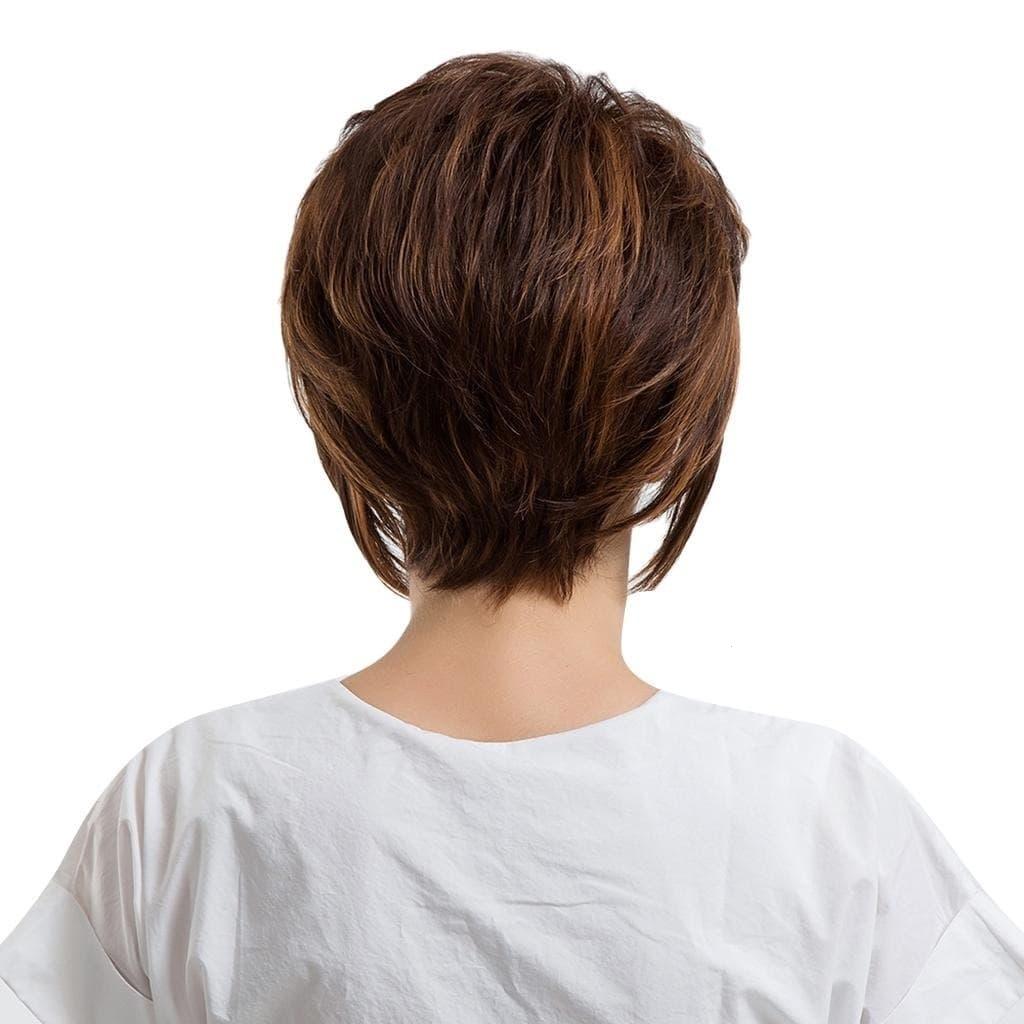
Human hair wigs can be heavier and may require more anchoring than lightweight synthetics. For heavier units, use additional clips and sew-in elastic. For monofilament crowns, avoid overly tight clips at the center—anchor at the perimeter instead.

Styling tips that enhance stability
Layered haircuts and strategic weight distribution reduce the tendency to slip—ask your stylist to thin heavy sections and keep weight balanced. Updos and partial upstyles shift tension toward secure clip points and can dramatically increase hold.
Budget-friendly hacks
Reuse a soft headband from an old wig, repurpose a yoga headband for a hidden grip, or sew small bra strap adjusters to create micro-adjustable tension in the cap. All of these low-cost solutions answer common questions about how to keep a wig in place without glue while proving reliable in daily practice.
Safety and skin care
Monitor your scalp for redness, inflammation or sensitivity. Non-adhesive methods dramatically lower allergic risk, but tight straps or poor ventilation can still cause irritation. Take breaks between wears to let your scalp breathe and use gentle cleansing routines for cap materials.
Troubleshooting checklist
- Wig slides backward: tighten rear straps, add elastic, and place pins at the nape.
- Front lifts: add a headband or small front clips and consider micro-stitches.
- Edges pressure sore: loosen straps and reposition clips away from sensitive areas.
- Excessive slipping in humidity: switch to silicone-lined caps and grips and increase clip count.
When to consult a professional
If you need a custom solution for theatrical, medical or long-term daily wear, a professional wigmaker can alter caps, sew in discreet anchors, and create a tailored system that avoids adhesives while delivering maximum hold and comfort. A stylist can also recommend haircut adjustments that stabilize the wig's distribution of weight.
Quick summary: best non-adhesive combo for most wearers
The most consistently successful setup blends a snug wig cap (or wig grip) + two to four clips + a sewn elastic strap + a hidden headband. This combination addresses fit, friction and mechanical anchoring—three keys to resolving the main question people type into search engines: how to keep a wig in place without glue.
Final thoughts
Non-glue methods for securing wigs are effective, skin-friendly and adaptable. By prioritizing fit, leveraging friction-enhancing materials and adding mechanical anchors like clips and elastics, you can enjoy confident, comfortable wear all day. Experiment with combinations that match your lifestyle—active, windy, theatrical or everyday wear—and build a small toolkit of grips, headbands and pins for on-the-go adjustments.
FAQ
- Q: Can a wig stay secure all day without any clips?
- A: Yes, with the right combination of a snug wig grip, a well-fitted cap and an elastic sew-in, many users achieve all-day hold without clips. However, for extra security in active situations, clips or pins are recommended.
- Q: Will non-adhesive methods work for lace front wigs?
- A: Absolutely. Lace fronts can be stabilized with silicone headbands, discreet pins, micro-stitches and wig grips to create a natural hairline without glue.
- Q: What is safest for sensitive skin?
- A: Silicone-lined wig grips, breathable caps and minimal tension from elastic strips are often best for sensitive scalps. Avoid adhesive residues and opt for washable, hypoallergenic materials.
If you want help tailoring a specific plan for your hair type, activity level or wig style, follow the step-by-step routine above and consider a brief session with a wig professional who can make small permanent or semi-permanent modifications for maximum comfort and hold. This article is written to be both informative and actionable for anyone seeking dependable answers on how to keep a wig in place without glue.
Related products
Blog
- when did men stop wearing wigs and how the fall of the peruke reshaped men's fashion
- how to get wig glue off skin - 9 safe at home solutions dermatologists recommend
- is wigs.com legit - Honest 2025 Review of Wigs.com Trust, Shipping, Returns and Customer Experiences
- where can i try on wigs - Local salons, boutiques and virtual try-on tips to find the perfect fit
- is kreekcraft wearing a wig — fans debate the evidence with clip-by-clip analysis and hairstyle comparisons
- what is hand tied wig explained with expert tips on benefits care and styling
- how to lay a wig like a pro step by step tips for natural looking edges and long lasting hold
- why lawyers wear wigs explored in depth — origins, symbolism and modern courtroom etiquette