
How to Do Your Hair Under a Wig - 7 Simple Tricks for Sleek Healthy Results

how to do your hair under a wig
Wearing a wig can be liberating, convenient, and a great way to change your look quickly, but achieving comfort, scalp health, and a natural silhouette begins with the work you do beneath your wig. This guide is a thorough, practical resource for anyone asking how to do your hair under a wig, whether you wear wigs daily, occasionally, for medical reasons, or as a fashion statement. The emphasis here is on scalp care, protective styling, and installation habits that preserve hair health while making your wig look and feel as natural as possible.
Why the groundwork under a wig matters
Many people focus only on the wig itself, but how you prepare your natural hair and scalp affects long-term health, comfort, and the finished look. A poorly prepared base can cause slipping, pressure, breakage, tension, heat buildup, and irritation. By learning correct methods for how to do your hair under a wig, you minimize friction, evenly distribute pressure, and keep your natural hair and scalp moisturized and protected.
Key principles to remember
- Prioritize scalp health: the scalp is your foundation. Cleanse gently and keep it balanced.
- Minimize tension: avoid overly tight braids or ponytails that stress the hairline.
- Control bulk: reduce visible lumps without flattening hair too much for a more realistic crown.
- Protect texture: respect your hair's natural curl/straight pattern so removal is easier and damage is minimized.
Seven core techniques for a smooth, healthy base
Start with clean, conditioned hair
Washing on a regular, gentle schedule helps prevent product buildup beneath wigs. Use a sulfate-free cleanser and a lightweight, slip-rich conditioner. For those wearing wigs daily, a full wash once every 1–2 weeks is common; between washes, use a gentle co-wash or scalp spray to refresh. When learning how to do your hair under a wig, understand that a slightly clean but not stripped scalp offers the best grip and comfort.
Detangle and moisturize before styling
Use a wide-tooth comb or your fingers to remove snarls, then apply a water-based leave-in or lightweight oil to lock in hydration. For fine or thin hair, skip heavy oils that can make the wig slip; for thick or curly textures, a creamy moisturizer helps keep strands soft and manageable beneath the cap.
Choose the right base style: braids, twists, or flat buns
The most popular answers to how to do your hair under a wig involve three basic shapes: flat cornrows, low snug buns, or multiple gentle braids. Cornrows provide a very flat profile but must not be too tight; loose, even braids reduce tension and create a smooth surface. For shorter hair, secure with small, soft elastics into low buns. For natural curls, two-strand twists that are pinned flat work well.
Use a breathable wig cap or capless methods
A wig cap helps hold hair in place and creates a barrier between the cap and wig. Choose caps made of nylon/spandex blends or silicone-lined caps if you need grip. For very sensitive scalps, consider cotton-lined caps or a silk/satin scarf under the cap to reduce friction. When exploring how to do your hair under a wig, remember caps also help distribute pressure and prevent hair from catching on the inside of the wig.
Control edges and hairline without damage
Edges are often the most delicate area. Rather than glueing or repeatedly tensioning baby hair, use soft edge-control methods: a light gel applied with a soft brush, a satin edge scarf worn briefly to set baby hairs, or small flexible bands to keep flyaways in check. If your question is how to do your hair under a wig without harming edges, answer: be gentle, avoid daily heavy manipulation, and alternate protective bases.
Prevent bulk and bumps for a natural fit
Bulk under a wig can show as lumps or an unnatural crown. Flatten hair by braiding or banding, then place a thin sponge or foam wig liner where necessary to even out high spots. For those with thick hair, gently compress volumes into a low bun or use multiple flat braids to reduce profile. When practicing how to do your hair under a wig
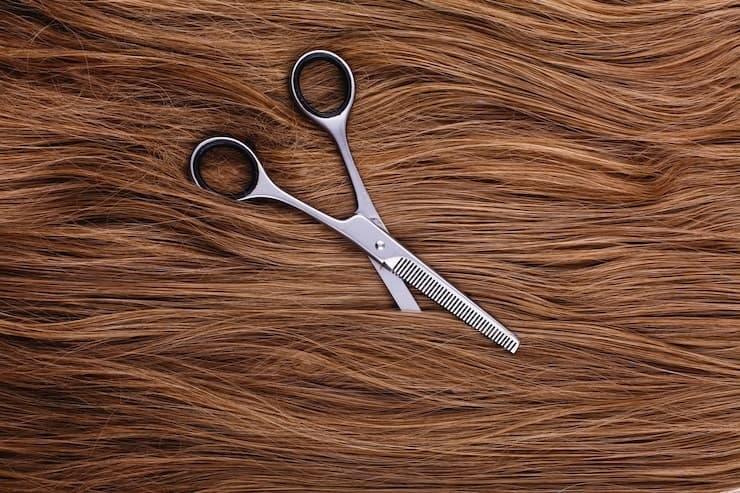 , check the shape in a mirror before attaching the wig to ensure a smooth silhouette.
Maintain and rotate your styles
Give your hair and scalp regular breaks from wig wear. Alternate between wigs and loose protective styles, and avoid wearing very tight wigs for long periods. Nighttime care — silk or satin pillowcases and gentle sleep caps — helps maintain your under-wig style and keeps friction low. Regularly revisit your method for how to do your hair under a wig so you can tweak tension, moisture routines, and cleansing intervals as needed.
Detailed, texture-specific tips
For thick or coarse hair: section into flat braids or twists to distribute bulk evenly. Use breathable caps that allow airflow and prevent heat accumulation. Apply a light oil to ends to prevent breakage when tucking under the cap.
For curly or coily hair: two-strand twists or small, loose braids that remain slightly raised are preferable; they preserve curl pattern and reduce manipulation damage. Moisture is essential — use water-based sprays and seal with a light oil or butter only on the ends.
For short hair or buzz cuts: smoothing with a satin cap or thin wig liner and a few strategically placed bobby pins can create a natural shape. Keep the scalp moisturized with lightweight sprays formulated for sensitivity.
For thinning or medically-related hair loss: a soft cap, gentle adhesives if needed, and satin underlayers reduce irritation. Consult a professional for low-traction methods and specialized wig fittings that protect delicate areas.
Practical step-by-step routine to follow
- Cleanse and lightly condition the scalp and hair; dry completely or damp but not wet.
- Detangle gently and apply a lightweight leave-in moisturizer.
- Choose a base style (flat braids, twists, or low bun) and secure gently with soft elastics.
- Place a breathable wig cap, smoothing hair with your hands to eliminate bumps.
- Adjust the capline over your natural hairline and use tiny, discreet pins if needed to anchor the cap (avoid pins that pierce too close to the scalp).
- Align and place the wig, fastening straps or securing adhesive per manufacturer instructions, keeping tension even across the perimeter.
- Style the wig edges and blend with any natural hair or baby hairs using gentle products and a soft brush.
Products and tools that help
- Wide-tooth combs and detangling brushes
- Soft, no-metal elastics and coil hair ties
- Breathable wig caps in nylon/spandex; satin liners for sensitive scalps
- Lightweight leave-in conditioners and scalp sprays
- Small foam wig grip strips or silicone strips for non-slip security
- Edge control gel with gentle ingredients and a satin edge scarf
- Soft, flat bobby pins and wig clips (use sparingly to avoid stress)
Common mistakes to avoid
Too-tight base styles: they create tension alopecia over time.
Skipping scalp care: failing to cleanse and moisturize leads to itching, buildup, and odor.
Heavy products under the wig: weigh the base, cause slippage, and attract dust.
Over-relying on adhesives: adhesives should be used cautiously and with skin-safe products.
Neglecting night care: friction during sleep shortens wig life and damages natural hair.
How often should you change or remove a wig?
Daily wearers should remove wigs every night if possible to let the scalp breathe. If removal every night is impractical, try giving the scalp a break every few days by loosening the cap and allowing airflow for an hour or two. Regularly inspect your hair for signs of irritation. This question — how frequently to remove a wig — ties directly into learning how to do your hair under a wig properly because timing affects moisture routines and the type of base styles you choose.
Professional help: when to seek it

If you experience persistent itching, redness, hair loss, or breakage, consult a dermatologist or a licensed trichologist. A professional wig fitter can also recommend cap types, custom linings, and low-tension base methods designed for sensitive scalps. Seeking expert advice is an important part of long-term hair health and a smart step for those asking how to do your hair under a wig in medically complex situations.
Maintenance tips to extend wig and hair health
Store wigs on a stand or mannequin head to keep shape. Clean the inside of lace front wigs occasionally with recommended products. For synthetic units, follow manufacturer guidelines; for human hair wigs, treat them like natural hair with gentle washes and deep conditioners. Keep a small kit with you (wig tape, spare cap, small brush) for adjustments throughout the day so you can maintain the ideal base setup for comfort and appearance.
If you're wondering how to do your hair under a wig in a way that balances aesthetics with long-term care, the answer always cycles back to gentle, breathable methods and regular scalp attention.
Travel and active lifestyle considerations
Heat and sweat add complexity. For workouts, consider secure, breathable caps and lighter synthetic units to avoid trapping moisture. After activity, remove the wig if possible to allow air-drying, or use a gentle antiperspirant spray on the scalp area recommended for wig-wearers to manage odor and moisture. For travel, pack a compact care kit and a soft satin bonnet to protect your base while resting.
How to troubleshoot common problems
Slipping wig: try a non-slip wig grip, adjust the capline, or use discreet wig tape along the temple and occipital area.
Bumps showing through: flatten with additional braids or a thin foam pad to even the profile.
Itching or irritation: switch to a cotton or silk liner, use mild scalp sprays, and reduce adhesive use.
Visible lace or unnatural hairline: practice blending with baby hairs, use small amounts of makeup to match, and position the wig slightly behind the natural line for depth.
Final thoughts and long-term strategies
Learning how to do your hair under a wig is a blend of technical skill and attentive self-care. The healthier your foundation, the better the wig will look and the more comfortable it will be. Keep an open mindset and tweak your routine as seasons, activity levels, and hair health change. Rotate products and base styles, document what works, and when in doubt, consult a professional wig fitter or hair health specialist.
With patience and the right techniques, protecting your natural hair while enjoying the versatility of wigs is entirely achievable. Start with gentle cleaning, choose low-tension protective shapes, select breathable liners, and be mindful of hydration and edge care — these are the pillars of a sustainable, attractive wig routine. If you internalize these steps for how to do your hair under a wig, you'll have both confidence and a natural-looking result that supports long-term hair health.
Further resources and learning
Look for video tutorials by licensed stylists, read guides from reputable wig manufacturers, and join supportive communities where wearers share tips and product experiences. Try different caps, practice multiple base methods, and keep a simple log of symptoms, products, and fit to refine your personal best practice for wearing wigs comfortably and safely.
FAQ
Q: How tight should base braids be under a wig?
A: Base braids should be snug enough to stay flat but never so tight that you feel scalp tension, headaches, or noticeable pulling. Aim for comfort and evenness.
Q: Can I sleep in my wig?
A: It's not recommended for long-term health. If you must, wear a satin bonnet and opt for a breathable cap to reduce friction and pressure; otherwise remove the wig nightly when possible.
Q: What is the best cap for sensitive scalps?
A: A cotton or satin-lined cap reduces friction and irritation; breathable nylon caps are excellent for grip but pair them with a thin satin liner if sensitivity is a concern.
Related products
Blog
- Expert Breakdown - is jennifer lawrence wearing a wig in mockingjay part 1 and the Hairstyling Secrets Revealed
- Why Fans Are Asking why is spencer wearing a wig in season 5 and the Real Reason
- does billy crystal wear a wig Revealed by Photos and Experts Unpacking the Actor's Hair History
- how to put on a lace front wig for beginners simplified with step by step pro tips for a natural, secure finish
- how to style synthetic wig cosplay in 7 easy steps for lasting curls and flawless character accuracy
- love me wigs review 2025 - best styles care tips and how to choose your perfect lace front
- how much does wig install cost 2025 guide to average prices, salon vs DIY, and money saving tips
- how to say wig in spanish - pronunciation tips, translations and real life examples