
do most black women wear wigs and why trends, culture, and personal style matter
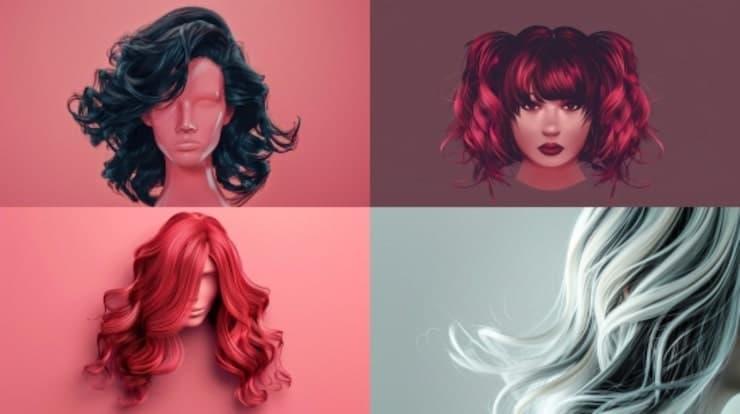
Understanding a Common Question About Black Hair Choices
Many conversations about hair and identity begin with curiosity and sometimes misconceptions. One frequent query is "do most black women wear wigs"? That specific search phrase captures a broader curiosity: how common are wigs among Black women, and why do decisions about hair often reflect overlapping influences like trends, culture, personal style, health, and convenience? This article explores context, nuance, and practical information so that readers can understand patterns rather than assume a single answer applies to an entire, diverse community.
The question behind the phrase
When someone asks do most black women wear wigs, it's helpful to separate intent from phrasing. Some people are asking about prevalence — is wig use the norm? Others are asking why wigs are visible in certain settings — such as social media, entertainment, or professional environments. Still others wonder about historical and cultural reasons that make wigs and other hair alternatives popular among people of African descent. The short answer is that there is no single, universal practice that applies to every Black woman; the long answer requires looking at multiple influences.
Historical and cultural context
Across centuries, hair practices among Black communities have been shaped by survival, beauty standards, resistance, and creativity. From braided styles and protective plaits to the use of wigs, weaves, and extensions, many techniques evolved as adaptive responses to climate, work, migration, and social pressure. In the 20th century wigs and hairpieces became a symbol of glamor in Hollywood and were later adopted and adapted by Black women for versatility and concealment of chemical or heat damage. Cultural rituals, familial traditions, and the need to navigate institutions that preferred Eurocentric hair norms all contributed.
Trends that influence visibility
The modern visibility of wigs is shaped by fashion cycles, celebrity trends, and social platforms. Influencers and entertainers often showcase lace fronts, glueless wigs, and colorful styles, which increases public awareness. As a result, searches like do most black women wear wigs spike whenever a trend or celebrity endorsement circulates. But visibility on Instagram or TikTok does not equal uniform adoption; social media amplifies particular aesthetics and makes certain products easier to discover and purchase.
Types of wigs and common reasons people choose them
- Lace-front and full lace wigs: offer a natural hairline and allow for varied styling.
- Synthetic wigs: budget-friendly and maintenance-light, though less durable than human hair.
- Human-hair wigs and custom units: more realistic, longer-lasting, and more expensive.
- Protective vs. aesthetic choices: some people wear wigs to protect natural hair growth, while others do it to experiment with color or texture without chemical changes.
Practical motivations: health, time, and convenience
For many Black women, choices about wigs relate to practical needs. Protective styling helps minimize daily manipulation and preserve length. Wigs can also be time-saving: a ready-to-wear unit reduces the hours spent on detangling, setting, and styling natural curls. Women undergoing medical treatments or experiencing alopecia may choose wigs for coverage and confidence. In professional settings where neat, uniform presentations are expected, a wig can be a reliable option that fits workplace demands.
Economic and industry factors
The hair industry has created a robust economy around wigs, extensions, and related services. Online marketplaces, boutique wig-makers, and local stylists all contribute to greater accessibility. Because costs and quality vary widely, people from different income levels make different choices: a custom human-hair wig can be a significant investment, while affordable synthetic units can be accessible to many consumers. The growth of small Black-owned businesses in the wig market has also changed how products are developed and marketed, reflecting community needs and cultural aesthetics.
Personal style, identity, and experimentation
Style is an essential factor. For many, hair is a form of self-expression: wigs provide instant transformation and endless possibilities. Someone might wear a short bob one week and long waves the next, embracing change without committing to a permanent cut or chemical process. Asking do most black women wear wigs without acknowledging this creative dimension misses how hair can be playful, political, and deeply personal all at once.
Generational and regional differences

Preferences often differ by age and geography. Younger people may be more experimental with colors and textures due to social media influence, while older generations might lean toward different kinds of wigs or stick with long-standing styling traditions. Urban centers with more salons and stylists may see higher diversity in wig styles compared to smaller towns. Recognizing these differences explains why the prevalence of wig use varies across communities and contexts.
Social perception and workplace dynamics
Workplace norms and social expectations can shape hair decisions. For some Black women, wearing a wig may be an adaptive strategy to meet conservative dress codes or to avoid microaggressions related to natural hair. Legal and cultural changes — such as policies that protect natural hairstyles — may reduce pressure to conform, but perceptions take time to evolve. Public policy, corporate awareness, and representation in media all contribute to changing these dynamics.
Natural hair movement and its influence
In the past decade the natural hair movement has encouraged many Black women to embrace their natural texture and styles like afros, twist-outs, braids, and locs. This movement coexists with wig use; they are not mutually exclusive. Many people combine approaches: wearing their natural hair for a period, using wigs as protective intervals, or using extensions to enhance styles. Thus, the natural hair resurgence complicates a simplistic reading of the question do most black women wear wigs.
Myths and misinterpretations
There are several common myths: that wigs are a sign of insecurity, that they are only for older women, or that those who wear wigs dislike their natural hair. In reality, motivations are multifaceted. Wigs can be empowering, practical, artistic, or health-driven. Some wear wigs privately; others display them proudly as a fashion statement. Reducing wig use to a single narrative erases the diverse lived experiences behind the choice.
How to interpret prevalence without stereotyping
Answering do most black women wear wigs depends on definitions and data. If "most" refers to majority use at any time in a given year, few large-scale studies support a singular conclusion. Instead, researchers and journalists rely on smaller surveys, industry sales data, and observational evidence, which show that wig use is significant but not universal. The better approach is to treat wig wearing as a common and visible practice influenced by many incentives rather than a definitive norm for everyone.
Practical tips for anyone considering wigs
Whether you're exploring wigs for the first time or seeking better options, consider the following guidance:
- Determine your goal: protection, convenience, style, or all three.
- Set a budget and understand trade-offs between synthetic and human hair.
- Seek a trusted stylist or reputable vendor with evidence of quality work and good reviews.
- Learn about proper wig care: cleansing, storage, and gentle handling extend lifespan.
- Consider a consultation to find the right cap size and hairline style for a natural look.
Styling and maintenance basics
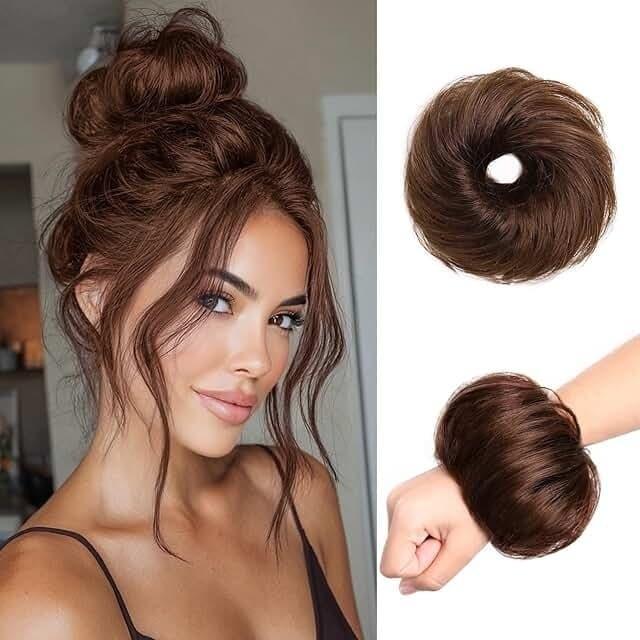
Maintenance depends on materials. Synthetic wigs are lower maintenance but less heat-tolerant. Human-hair wigs can be styled hot tools and can be re-dyed or cut, much like natural hair, but they require more care, such as conditioning and occasional deep treatments. Wig caps, adhesives, and proper application techniques help ensure comfort and a secure fit. Protective practices like rotating units, cleaning the scalp, and allowing the natural hair to breathe help maintain overall scalp health.
Intersection of beauty, identity, and economy
The conversation around wig use touches on beauty norms, commodification of hair, and access. Wig markets create economic opportunities for entrepreneurs, but they also reflect the commercialization of beauty standards. For communities of African descent, navigating this terrain often involves balancing cultural pride with consumer realities. Many creators and small businesses now emphasize authenticity, ethical sourcing, and representation, reshaping industry practices.
Representation and media influence
Representation in media — whether films, TV shows, or magazines — affects perceptions of which hair choices are seen as desirable. As more Black women appear in leadership and public-facing roles with diverse hairstyles, the visibility of different options increases. Social media platforms both democratize beauty trends and accelerate cycles of experimentation, meaning that search queries like do most black women wear wigs often reflect shifts in what people see and what they want to try.
How to discuss the topic respectfully
When asking about hair choices, keep curiosity grounded in respect. Rather than assuming a behavior based on race, consider asking open-ended questions and seeing how individuals describe their own choices. A respectful approach helps avoid reducing people to stereotypes and acknowledges the layered reasons behind any style decision.
Final perspective
To return to the exact phrase that often initiates this conversation — do most black women wear wigs — the best answer acknowledges nuance: wig use is widespread and visible in many contexts, but it is not universal, and motivations are diverse. Trends, culture, identity, economics, health, and personal taste all shape the decision to wear a wig. Recognizing that complexity leads to better understanding and more constructive conversations about style, representation, and choice.
Helpful resources and next steps
If you're curious about exploring wigs or learning more about hair culture, consider these actions:
- Follow content creators who specialize in wig education and honest reviews.
- Visit local salons for consultations to experience different textures and cap constructions.
- Support brands and stylists that prioritize ethical sourcing and transparency.
- Read community-focused articles and interviews to hear personal narratives and historical perspectives.
FAQ
- Q: Are wigs only worn for fashion?
- A: No. Wigs can serve practical, medical, and cultural purposes as well as fashion; many people use them to protect natural hair, respond to hair loss, or express identity.
- Q: Do wigs damage natural hair?
- A: Wigs themselves do not inherently damage hair if installed and cared for properly; however, improper adhesives, tight installations, or neglecting scalp hygiene can cause issues. Rotate styles and consult a professional when in doubt.
- Q: How do I choose between synthetic and human-hair wigs?
- A: Choose synthetic for budget-friendly, ready-to-wear options and low maintenance; choose human hair for versatility, longevity, and more natural movement, recognizing it requires more care.
In sum, the prevalence of wig wearing among Black women is shaped by many intersecting factors — trends, cultural history, personal needs, and industry dynamics — and a single question like do most black women wear wigs opens the door to a rich, nuanced conversation. Whether someone chooses wigs occasionally, frequently, or never, that choice deserves context, respect, and curiosity rather than assumption.
Related products
Blog
- what does wig mean gay slang explained with origins examples and how to use wig today
- how do you make a wig look natural practical step-by-step tips from stylists to blend secure and style for lifelike results
- how do you get rid of ear wigs - quick safe home remedies, professional removal tips and long term prevention
- did james brown wear wigs - celebrity hair secrets, vintage photos and expert insights
- why does britt robertson wear a wig explained with behind the scenes reasons and what it means for her roles
- how do you comb a wig step by step detangling and styling tips
- how much is a wig install 2026 average prices salon vs DIY breakdown and money saving tips
- Uncovered Mystery did bob ross wear a wig and the Real Story Behind His Signature Look